
How to store a car for long time comes down to preventing three quiet problems that show up later: battery drain, fuel issues, and moisture damage.
If you park it and walk away, the car usually won’t “explode” into a disaster, but you might come back to a no-start, flat-spotted tires, musty odors, or even rodents in the airbox, and those are expensive annoyances for something that feels avoidable.
This guide focuses on practical long-term storage for typical U.S. conditions, garages, driveways, and storage units, with a clear prep checklist, a simple table for timing, and restart steps that reduce risk.

Decide what “long term” means for your situation
Before buying anything, define the storage window and location, because 30 days in a dry garage is a different plan than 12 months outside near salt air. Your climate, security, and how easily you can check on the car matter more than people expect.
Here’s a quick planning table you can use to match effort to time, it’s not perfect for every vehicle, but it’s a solid starting point.
| Storage length | Main risks | What usually matters most |
|---|---|---|
| 2–6 weeks | Battery drain, tire pressure drop | Battery maintenance, inflate tires |
| 2–6 months | Fuel degradation, moisture, flat spots | Fuel stabilizer, clean/dry, tire strategy |
| 6–12+ months | Corrosion, rodents, rubber drying, brake sticking | Indoor storage, pest prevention, periodic checks |
Why cars develop problems in storage (so you can prevent them)
Most storage damage is slow and boring, which is why people underestimate it. If you understand the “why,” the checklist feels less like busywork.
- Batteries discharge over time, modern cars draw small “parasitic” power for security and computers, so sitting can mean a dead battery.
- Gasoline ages, volatility changes and deposits can form, especially when temperature swings drive condensation.
- Moisture and oxygen promote corrosion on metal surfaces and can leave interior fabrics smelling musty.
- Tires can flat-spot if the car sits in one position long enough, especially with under-inflation.
- Rodents love quiet cars, wiring insulation and cabin filters make tempting nesting material.
According to the U.S. Department of Energy, gasoline can degrade and become less effective over time, which is why storage plans often include stabilizer and smart fueling habits.
A quick self-check: what kind of storage plan do you need?
If you’re unsure how to store a car for long time, answer these honestly, you’ll land in the right “level” without overdoing it.
- Will it sit longer than 60 days? If yes, plan for fuel stabilization and stronger moisture control.
- Is it stored outdoors? If yes, cover choice, drainage, and UV protection jump in priority.
- Can you check it monthly? If no, aim for a more set-and-forget setup: battery maintainer, pest deterrents, tighter cover fit.
- Is it a newer car with lots of electronics? If yes, battery support matters more than “start it once in a while.”
- Any history of mice in your area? If yes, plan for deterrence and sealing entry points.
One small reality check: “I’ll just start it every couple weeks” sounds good, but if you can’t drive long enough to fully warm up the engine and recharge the battery, you may create condensation and still end up with a weak battery.
Step-by-step: prepare the car for long-term storage
This is the core workflow most people need. Take an hour or two now, you’ll save yourself a weekend of troubleshooting later.
1) Clean it like you mean it (inside and out)
Wash and dry the exterior, then clean the interior and remove food, wrappers, and anything scented. Dirt and bug residue can etch paint over time, and crumbs practically invite pests.
- Dry door jambs and trunk seams where water sits.
- Vacuum thoroughly, including under seats.
- Consider a simple interior moisture absorber if humidity runs high.
2) Handle the fuel the smart way
For most gas cars, fill the tank to reduce air space, then add a quality fuel stabilizer and run the engine briefly to circulate it. For some situations, especially very long storage or specialty vehicles, owners sometimes choose different approaches, so check your owner’s manual if it has storage guidance.
- Gas: full tank + stabilizer is common practice.
- Diesel: often benefits from a treated, full tank too, but products differ, use one labeled for diesel.
- EV/hybrid: the “fuel” step becomes a battery SOC plan, skip stabilizer.
According to AAA, gasoline can begin to degrade in a matter of months, so stabilizer is typically worth it if you’re parking for a season.
3) Protect the battery (this is where many people fail)
If you want to know how to store a car for long time without the dreaded click-click, plan battery maintenance upfront.
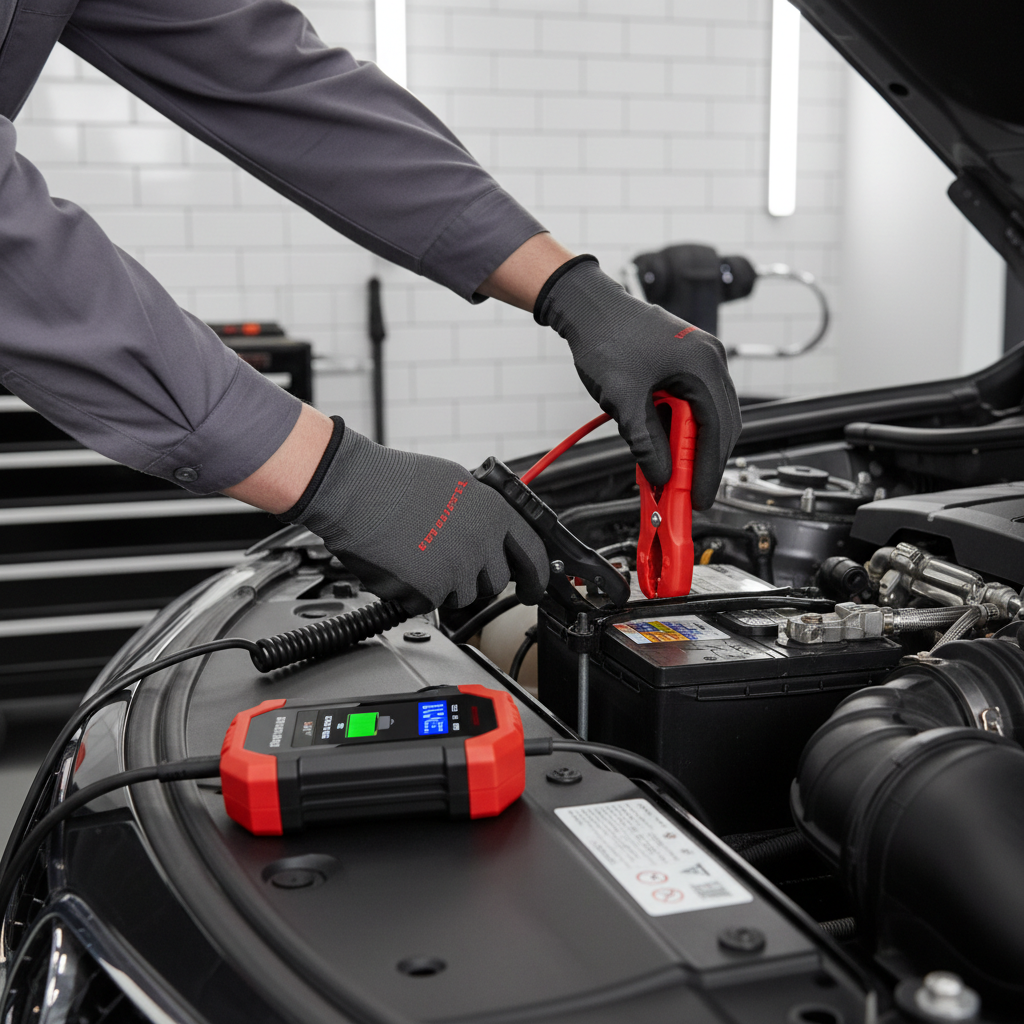
- Best option: use a smart battery maintainer (trickle charger) rated for your battery type.
- Alternative: disconnect the negative terminal, this reduces drain but can reset settings and still won’t help an older battery.
- If the battery is already weak: replacing it before storage can be cheaper than coming back to a no-start plus towing.
According to NHTSA, vehicle batteries can pose safety risks if handled incorrectly, so if you’re unsure about terminals, charging, or corrosion, it’s reasonable to ask a technician for help.
4) Tires, brakes, and “don’t let it seize” basics
Inflate tires to the upper end of the recommended range listed on the driver door jamb, not the max on the sidewall. If storage is very long, tire cradles or moving the car slightly every month can reduce flat spots.
- Avoid setting the parking brake for months in humid areas, pads can stick to rotors.
- Use wheel chocks if you need a no-parking-brake setup on level ground.
- If you have a safe lift setup and know what you’re doing, taking weight off tires helps, but don’t guess with unstable jack stands.

Choose the right storage spot and cover (indoor vs outdoor)
Location choices can outperform any product you buy. Indoor storage usually wins because it reduces UV, moisture swings, and theft risk, but plenty of cars store outdoors successfully with the right setup.
Indoor storage tips
- Pick a dry space with stable temperature if possible, avoid parking on bare dirt.
- Use a breathable car cover, plastic tarps can trap moisture and haze paint.
- Crack windows only if the space is secured and you’re managing moisture, many people skip this to reduce pest entry.
Outdoor storage tips
- Use a weather-rated, breathable cover with tie-downs, flapping fabric can mar paint.
- Park where water drains away, avoid low spots that puddle.
- Consider a windshield sunshade and wiper protection if sun exposure is intense.
Pest, moisture, and theft prevention that actually works
This is the part people skip, then return to chewed wiring or a moldy smell. You don’t need to turn your garage into a lab, but you do need a few basics.
- Pests: seal obvious entry points, keep the area clean, consider deterrent packs, and check cabin air intake areas.
- Moisture: use desiccant tubs in humid climates, avoid sealing the car with non-breathable materials.
- Theft: if stored outside, consider a steering wheel lock, motion lights, and don’t leave registration or spare keys inside.
If rodents are common where you live, a quick under-hood look every few weeks can catch nesting early, that small habit often beats any single product.
Restarting after storage: a safer return-to-road checklist
When it’s time to drive again, resist the urge to just crank and go. A calm restart routine prevents avoidable damage, especially if storage ran longer than planned.
- Walkaround: look for leaks, chewed materials, low tires, and anything blocking the tailpipe.
- Battery: disconnect maintainer, check terminals for corrosion, confirm strong crank.
- Fluids: check oil level, coolant level, and brake fluid, top off if needed.
- Tires: set pressure to spec, expect a little thump that may fade after a few miles.
- Brakes: test gently at low speed, surface rust on rotors is common and often clears.
If the engine runs rough, you smell strong fuel, or warning lights stay on, stop and investigate. In some cases it’s smarter to have a trusted shop inspect it, especially if the car sat for a year or more.
Common mistakes that waste time (and money)
Most “storage failures” trace back to a few patterns, and they’re easy to avoid once you know them.
- Starting the car briefly without driving, it can add moisture to the exhaust and oil without fully recharging the battery.
- Using a non-breathable tarp, it often traps condensation and encourages mildew.
- Leaving the parking brake set for months, sticking brakes show up more than people expect.
- Skipping fuel planning, stale fuel problems are annoying because they appear after you “did everything else right.”
- Ignoring pests, once rodents move in, repairs can get expensive fast.
Key takeaways and a simple action plan
Storing a car long term isn’t about one magic trick, it’s a handful of small steps that prevent predictable issues. If you only do three things, make it fuel management, battery support, and moisture/pest control.
If you’re prepping this weekend, take a photo of your final setup, note the date, fuel stabilizer used, and battery plan in your phone, then set a monthly reminder to check tire pressure and signs of pests. That’s the kind of boring system that pays you back later.