
Best car air freshener gel options solve a very specific problem, you want your car to smell clean for weeks, not for two days, and you don’t want a swinging tree blasting fragrance in your face.
Gel fresheners tend to feel “set and forget,” they’re compact, usually spill-resistant, and many handle heat swings better than thin liquids. But not all gels behave the same, some fade fast, some smell synthetic, and some just can’t keep up with kid smells, fast food, or wet dog.
This guide helps you pick a gel that fits your situation, how strong you actually need it, where to place it, and how to avoid the common mistakes that make any car deodorizer disappoint.
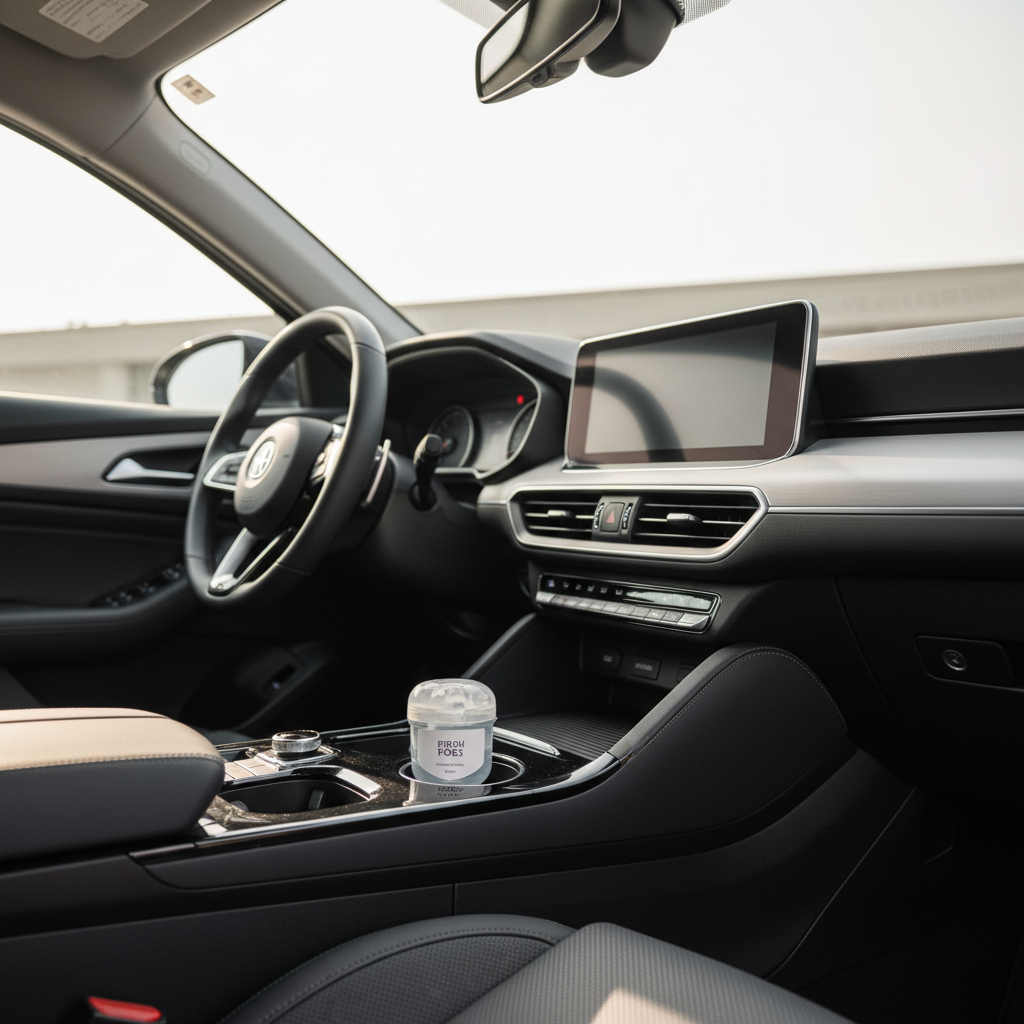
What “best” means for gel car fresheners in 2026
People search “best” when they’re tired of guessing, but gel air fresheners only feel great when they match the job. The right pick depends on odor load and how you tolerate fragrance, not hype.
- Odor control vs. scent cover-up: Some gels mainly add fragrance, others include odor-neutralizing ingredients that can reduce funk instead of masking it.
- Heat stability: Cars bake. A gel that holds up in summer usually performs more consistently than one that dries into a rock in a week.
- Output control: Adjustable vents, peel-back lids, and slider tops matter because “too strong” is the #1 reason people stop using a product.
- Residue risk: A good gel stays put and doesn’t leak onto plastic, upholstery, or leather.
According to the American Lung Association... if you’re sensitive to fragrances, it’s often smarter to choose lighter-scent products and improve ventilation, rather than increasing fragrance strength. If you have asthma or migraines, consider asking a healthcare professional what to avoid.
Gel vs. vent clips vs. sprays: quick reality check
Gel is popular because it’s consistent and low effort, but it’s not automatically superior. Here’s the practical difference most drivers notice after a few weeks.
| Type | Best for | Trade-offs |
|---|---|---|
| Gel freshener | Steady background scent, low mess | Can fade slowly and you stop noticing it |
| Vent clip | Fast scent boost while driving | Can be too strong, may stain vents in some cases |
| Spray | Quick reset after food or smoke | Overuse is easy, some people get headaches |
| Hanging card | Cheap, immediate fragrance | Often harsh at first, then drops off fast |
If you want a cabin that smells “clean” more than “perfumed,” gel usually wins. If you want an on-demand hit, vent clips and sprays still have a place.
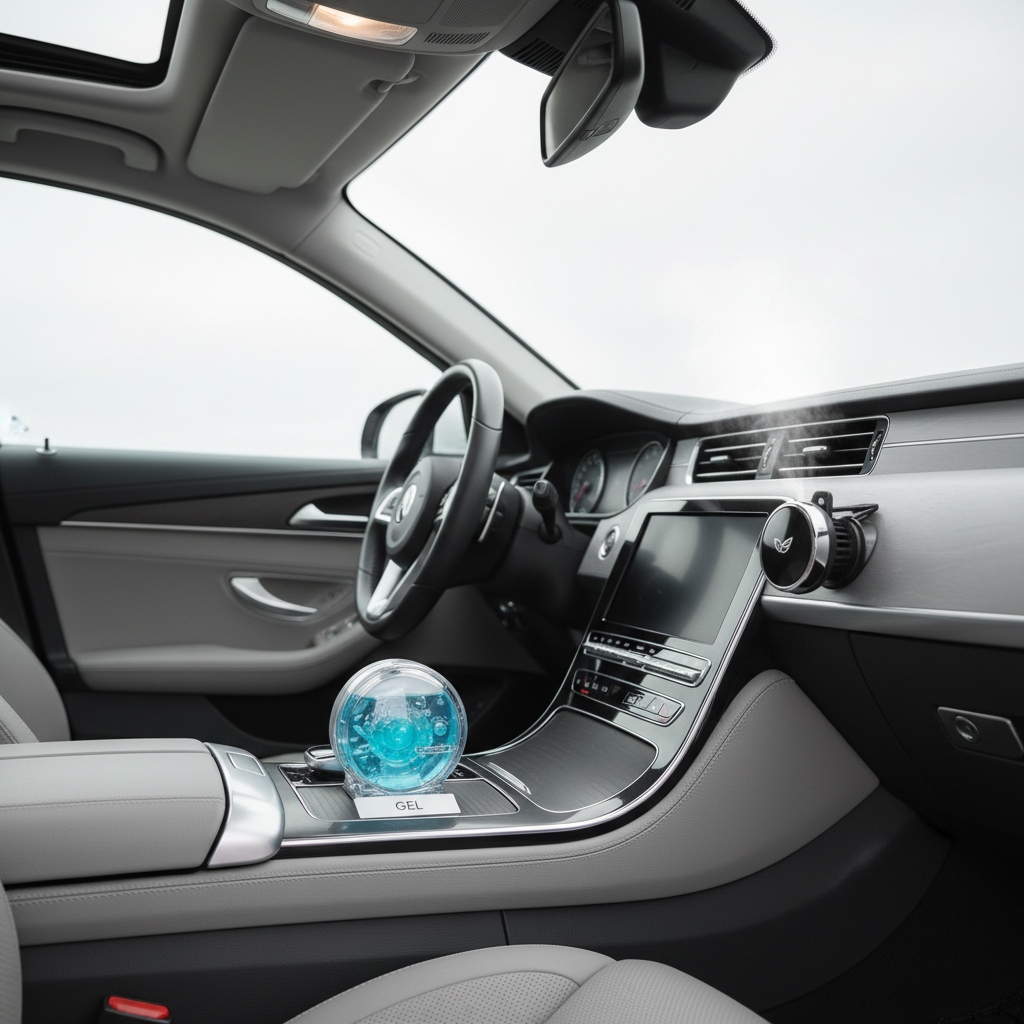
Why gel fresheners disappoint (and what that usually indicates)
When a gel product “does nothing,” it’s usually not because gels don’t work. It’s because the odor source is stronger than the freshener’s output, or the placement is wrong.
- You’re fighting an active source: spilled coffee under the seat, damp floor mats, old cabin air filter, or trunk moisture will overpower any best car air freshener gel.
- Airflow mismatch: Gel needs gentle cabin circulation. If it’s sealed in a tight cubby or buried under stuff, diffusion slows down.
- Nose-blindness: After a few days, many people stop noticing a scent even though passengers still do.
- Too much heat exposure: Parking in direct sun can accelerate drying, which shortens lifespan.
In other words, if the car smells “worse with fragrance on top,” the fix is typically cleaning plus a lighter, cleaner scent profile, not a stronger gel.
Self-check: what type of driver are you (and what gel profile fits)
Use this quick checklist before buying. It saves money because you stop “upgrading” when the real issue is the wrong scent type or strength.
Pick the scenario that matches your car most days
- New-ish car, light odor: Choose mild “clean linen” or subtle citrus, smaller gel, slower release.
- Commute car + coffee/food: Go for odor-neutralizing gels and medium output, avoid very sweet scents that mix badly with grease smells.
- Kids, sports gear, pets: Stronger neutralizer, larger container, consider two placements (front + rear) if safe and stable.
- Smoke or heavy mildew history: Gel is support, not the main solution, plan on deep cleaning and filter replacement.
- Fragrance sensitive: Low-scent or “fresh/neutral” profiles, crack windows briefly, avoid stacking products.
Key point: The “best” gel for your friend’s SUV may feel unbearable in a compact car, cabin volume matters more than people expect.
How to choose the best car air freshener gel (what to look for on the label)
Packaging can be vague, but a few signals help you pick smarter.
- Adjustable intensity: Look for lids you can open gradually. It’s easier to increase strength than to fix “too much.”
- Odor neutralizing language: Terms like “odor eliminator” or “odor neutralizer” can indicate a formula beyond pure fragrance, though performance varies by brand.
- Spill-resistant container: Flat-bottom or non-slip base helps, especially if you place it under a seat.
- Scent family match:
- Citrus/ozone: reads “clean,” good for daily drivers
- Pine/woody: hides food smell better, can feel heavy in heat
- Vanilla/gourmand: cozy, but can turn cloying fast in small cabins
- Refill options: If you like consistency and less waste, refillable systems can be easier long-term.
According to the U.S. Environmental Protection Agency (EPA)... improving ventilation and removing odor sources are core indoor air quality steps. A freshener works better when the cabin is already clean.
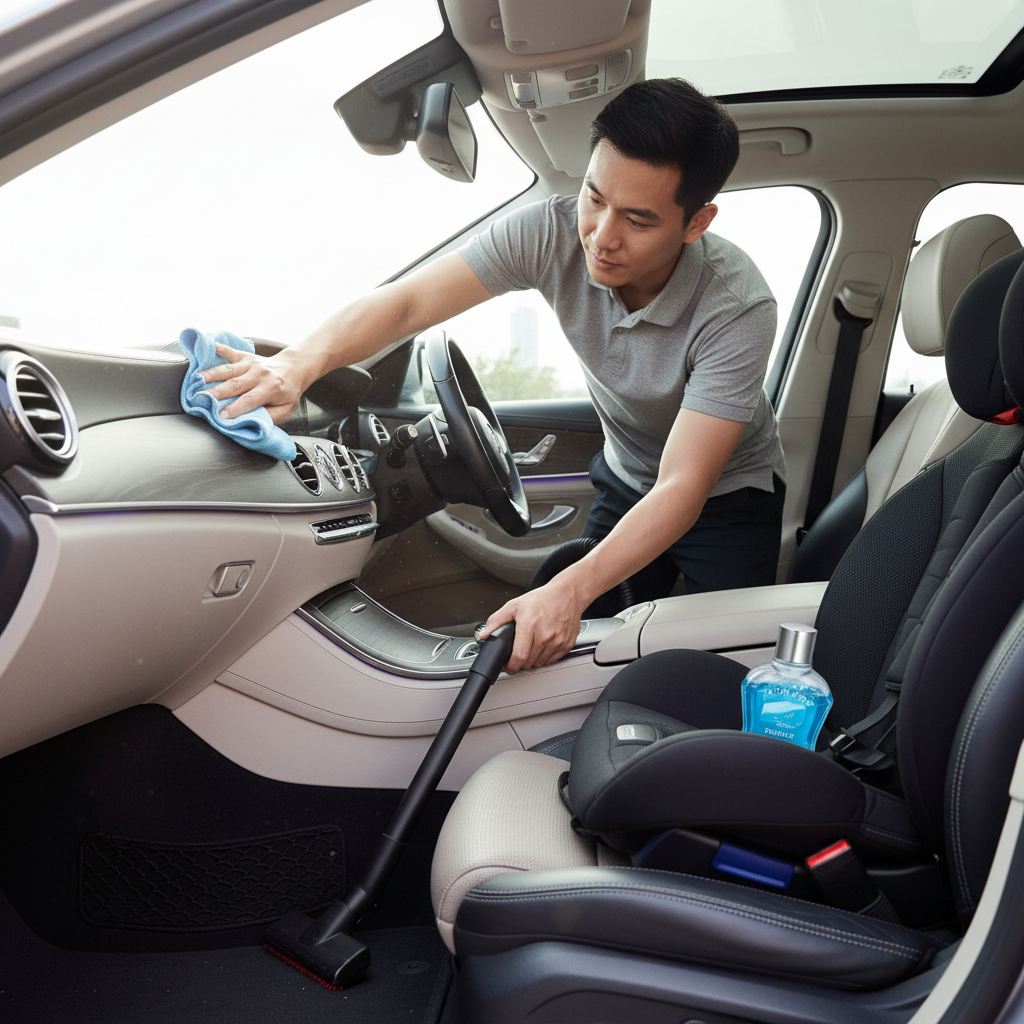
Practical setup: where to place gel for the best results
Placement is the quiet lever most people ignore. With the same gel, you can get a gentle “always fresh” effect or almost nothing.
Good placement options
- Under the passenger seat: discreet, stable, decent airflow, keep it upright and away from heater vents.
- Door pocket: easy access, moderate diffusion, check it won’t tip during turns.
- Cup holder: strong diffusion, but you’ll smell it the most, not ideal for fragrance-sensitive drivers.
- Rear footwell (for SUVs): helps the back row, especially if odors concentrate around kids or pets.
Places to avoid
- On the dash in direct sun: heat can dry gels faster and increase scent spikes.
- Loose in the trunk: airflow is limited and it may tip, plus you won’t benefit while driving.
If your goal is “passengers notice, I don’t,” place it low and slightly behind you, not on the console.
Step-by-step: making gel fresheners last longer (without making them stronger)
This is the part that feels boring, but it’s usually what separates “works for a week” from “works for a month.”
- Reset the odor source: vacuum seats and seams, clean sticky spills, and dry wet mats fully before reinstalling.
- Replace the cabin air filter when needed: if airflow smells musty or dusty, a filter can be part of the problem, a mechanic can confirm fitment and interval.
- Open the gel gradually: start at 25–40% opening, then adjust after 48 hours.
- Use short ventilation bursts: a quick window crack when you start driving can reduce “fragrance cloud” and still keep a clean background scent.
- Don’t stack multiple scents: one gel plus one vent clip is where many cars start smelling like a department store, not “fresh.”
Quick takeaway: If the gel seems weak, don’t immediately buy a second one, move placement first and clean the source second, then reassess.
Safety notes and common mistakes (especially with kids and pets)
Most gel fresheners are straightforward, but cars are small spaces, and temperature swings are real. If anyone in the car gets headaches, nausea, or breathing irritation, scale back and consider a low-scent option, if symptoms persist, consider asking a clinician.
- Keep gels out of reach: curious kids and pets may touch or chew containers, put units under a seat or in a covered pocket.
- Avoid “maximum open” on day one: this is how you create overpowering scent and then blame the product.
- Don’t use fragrance to cover mold: persistent mildew smell may indicate moisture in carpet padding or HVAC, a detailer or mechanic can help diagnose.
- Watch for surface contact: if a gel leaks, wipe immediately to reduce staining risk, especially on soft-touch plastics.
Conclusion: picking your best gel in 2026 comes down to match and setup
The best car air freshener gel is the one that fits your cabin size, your tolerance for fragrance, and the kind of odors you actually deal with. When gels fail, it’s usually because the car needs a quick odor reset, or the freshener is sitting in a dead-air spot.
If you want a simple next step, do two things this week, clean the mats and seat seams, then place one adjustable gel under the passenger seat and open it halfway, give it two days before changing anything.
If you’re still smelling smoke or mildew after that, consider bringing in a professional detailer or a trusted mechanic, because at that point you’re likely dealing with a source problem, not a “which scent” problem.
FAQ
What is the best car air freshener gel for long-lasting scent?
The best fit is usually an adjustable gel with a clean scent profile and a stable container, so you can control strength and avoid spill issues. Longevity also depends on heat exposure and placement.
Do gel air fresheners actually remove odors or just cover them?
Many gels primarily add fragrance, while some include odor-neutralizing components that can reduce certain smells. If the odor source is active, like spills or mildew, even a strong gel may only mask it.
Where should I put a gel air freshener in my car?
Under the passenger seat is a solid default because it stays stable and diffuses evenly. Cup holders work but can feel too strong since the scent sits right in your breathing zone.
Why can’t I smell my gel air freshener after a few days?
Nose-blindness is common, your brain tunes out constant smells. Ask a passenger, or switch to a slightly different scent family next time rather than doubling the same fragrance.
How do I make a gel freshener last longer in hot weather?
Keep it out of direct sun and avoid placing it on the dash. Start with a smaller opening and increase gradually, this reduces fast evaporation and scent spikes.
Is it safe to use gel air fresheners around babies or pets?
Many people use them without issues, but sensitivity varies. Keep products out of reach, use lighter scents, and if you notice irritation, reduce fragrance and consider professional advice.
Should I use two gel fresheners at once?
Sometimes, especially in larger SUVs or when you want coverage for the back row, but it’s easy to overdo it. Try one in a better location first, then add a second only if needed.
If you’re shopping for a best car air freshener gel because you’re tired of trial and error, focus on an adjustable container, a scent family you can live with daily, and a simple cleanup routine, it’s a more reliable path than chasing the strongest fragrance on the shelf.