
Best car tire pressure gauge digital is the phrase many drivers end up searching after a low-tire warning, a sketchy gas-station pump, or that nagging feeling that the car just rides “off.” A good digital gauge takes guesswork out of tire care, but only if it’s accurate, easy to read, and tough enough to live in a glove box.
Here’s the part people don’t love hearing: most “bad tire pressure” problems aren’t dramatic, they’re small, repeated mistakes, like measuring when tires are hot, trusting a cheap inflator’s built-in dial, or using a gauge that leaks air at the valve. Those tiny errors add up to uneven wear and annoying handling.
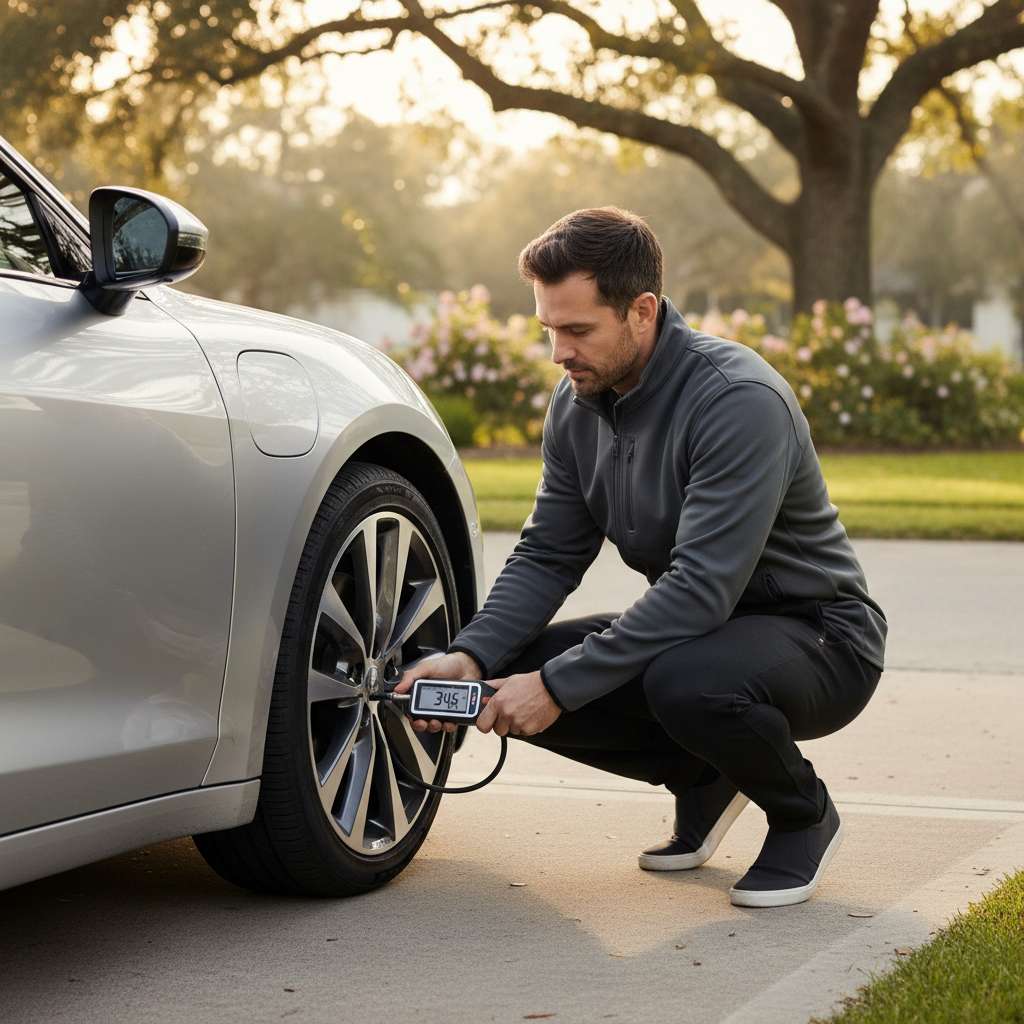
This guide focuses on what actually matters when picking a digital tire pressure gauge, how to sanity-check accuracy, and how to use it so the number you see is the number you can trust. You’ll also get a comparison table and a quick decision checklist so you can buy once and stop overthinking it.
What makes a digital tire pressure gauge “best” in real use
A lot of product pages emphasize flashy features, but in day-to-day use, most people care about three things: accurate readings, no-hassle fit on the valve, and a display you can read fast. Everything else is secondary.
- Accuracy range: Many decent consumer gauges claim ±1 PSI or ±2 PSI. In practice, consistency matters as much as a spec sheet, you want repeatable readings across all four tires.
- Pressure range: Typical passenger cars sit around the mid-30 PSI range, while some light trucks or heavy loads go higher. Pick a range that comfortably covers your vehicle, without living at the top end all the time.
- Valve connection: A good tip seals quickly without hissing air. If you have to fight it, you’ll lose pressure while measuring and blame the gauge.
- Backlit screen: Checking tires in a dim garage or at night is common. Backlight isn’t a luxury, it’s a usability feature.
- Build quality: Glove boxes get hot, cold, and messy. Look for sturdy buttons and a housing that won’t crack from a drop.
According to NHTSA (National Highway Traffic Safety Administration), driving on underinflated tires can increase crash risk and may cause tire failure, so it’s worth treating your gauge as a safety tool, not just a gadget.
Quick comparison table: pick the right type before you pick a brand
Instead of chasing one “perfect” model, it helps to choose the gauge style that matches how you maintain tires, driveway checks, road trips, or regular towing.
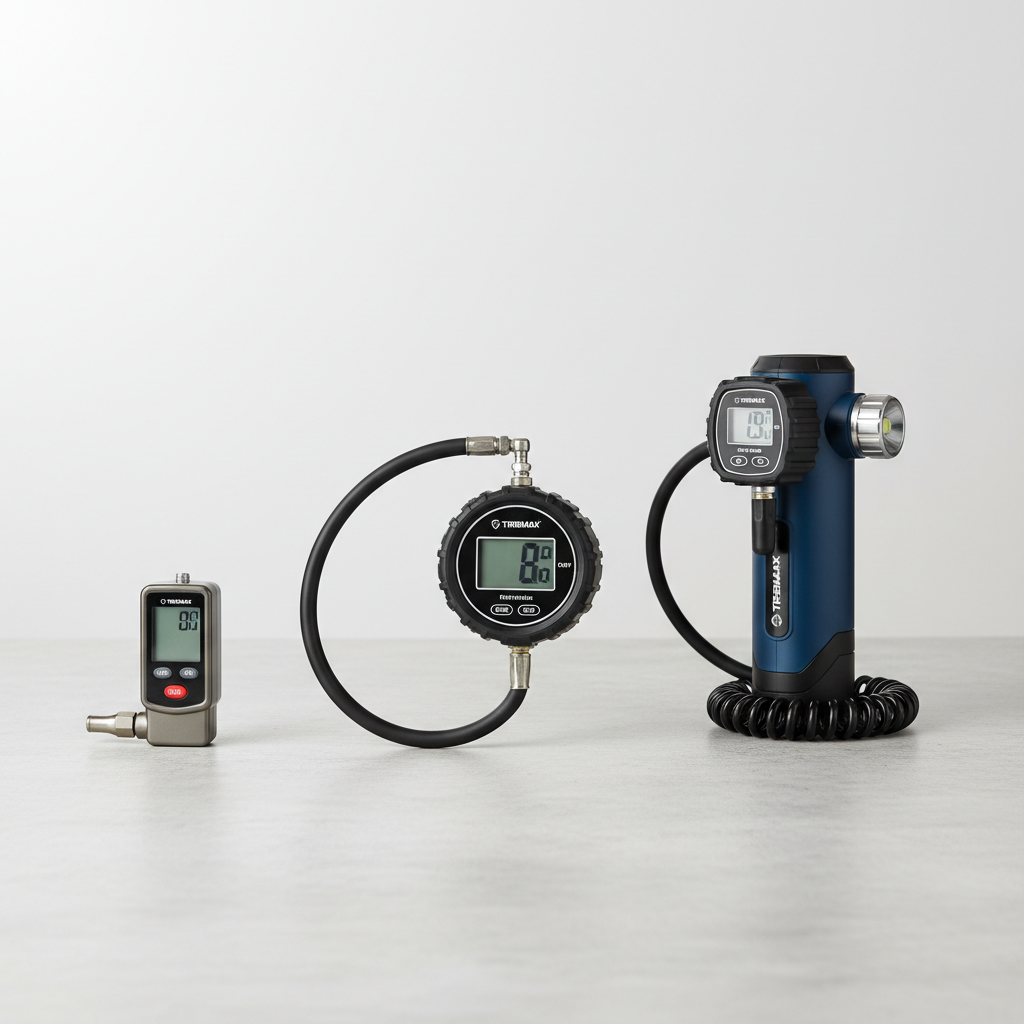
| Type | Best for | Pros | Trade-offs |
|---|---|---|---|
| Compact handheld digital | Most drivers, glove box use | Fast, easy, readable, affordable | Battery dependent, can be misplaced |
| Digital gauge with flexible hose | Tight wheel wells, trucks, larger wheels | Easier angle, less air loss while seating | Bulkier, more parts to break |
| Inflator + digital gauge combo | DIY top-offs, seasonal changes | Measure and add air in one tool | Accuracy varies, larger storage footprint |
| Bluetooth “smart” gauge | Tech-minded users, logging | Records readings, reminders | App friction, pairing issues, higher cost |
Buyer checklist: how to tell if a gauge is worth it
If you want the best car tire pressure gauge digital for your setup, run through this quick list before clicking “buy.” It saves you from the common regret purchase: a gauge that works, but annoys you every time you use it.
- Readable screen in sunlight and at night, ideally with a backlight and large digits.
- One-handed operation, buttons that don’t feel mushy, and auto shutoff that’s not overly aggressive.
- Valve head that seals quickly, minimal “hiss time” before the number stabilizes.
- Units that match your habits (PSI is typical in the US, but kPa/bar options help if you switch references).
- Battery you can replace without tools, and a low-battery indicator so you don’t get phantom readings.
- Stated operating temp range if you live in very hot or very cold climates, since batteries and electronics can act up.
One more reality check: if you’re buying a gauge because your TPMS light comes on often, the gauge helps you verify pressure, but it won’t fix the reason pressure keeps dropping, which could be a slow leak, temperature swings, or a wheel issue. Use the tool to confirm, then decide what to do next.
How to use a digital tire pressure gauge correctly (and get repeatable numbers)
The most common “my gauge is wrong” complaint usually comes from technique, not electronics. The goal is a stable, repeatable reading with minimal air loss.
Step-by-step (simple, but easy to mess up)
- Check when tires are cold: ideally before driving, or after the car sits for a few hours.
- Remove the valve cap, keep it somewhere you won’t lose it.
- Press the gauge straight onto the valve stem until the hissing stops, then hold steady.
- Wait for the number to stabilize, most digital units lock quickly.
- Repeat once to confirm, if the second reading is wildly different, reseat the gauge and try again.
- Adjust pressure to the vehicle door-jamb placard, not the tire sidewall number.
According to U.S. Department of Energy, proper tire inflation can improve gas mileage, so the habit has a payoff beyond avoiding a warning light. The exact impact varies by vehicle and driving conditions, but the direction is consistent.
Common scenarios and what to do (so you buy the right tool)
People shop for a best car tire pressure gauge digital for different reasons. Here are the situations where the “right” features change.
If you mostly check tires at home
- Prioritize readability and a valve head that seals cleanly.
- A compact handheld gauge is usually enough.
- Pair it with a decent inflator if you don’t want to drive to an air pump.
If you drive long highway trips
- Look for durability and a case or sleeve so it doesn’t get crushed.
- A backlit screen helps at rest stops at night.
- Consider a gauge with a flexible hose if your wheels make access awkward.
If you have a truck, tow, or carry heavy loads
- Confirm the gauge handles your higher PSI range with breathing room.
- A hose-style gauge often makes dual-checks faster with less air loss.
- Be extra careful to use the vehicle placard or tire shop guidance, load conditions can change recommended pressures.
Accuracy, calibration, and “is my gauge lying?” checks
Digital gauges can drift, and cheap ones can be inconsistent from day one. You don’t need lab equipment to spot an issue, but you do need a method.
- Repeatability test: measure the same tire three times, reseating each time. If results jump around by several PSI, the seal or sensor is suspect.
- Cross-check test: compare your reading to a second known-decent gauge. You’re looking for a consistent offset, not a perfect match.
- Battery sanity check: weak batteries can cause dim displays and flaky readings. Replace batteries early if anything seems odd.
- Temperature reality: pressure rises as tires warm up from driving. That change is normal, not “incorrect.”
If you need higher confidence, many tire shops can check pressure with shop-grade tools and can tell you whether your gauge is consistently off. If you’re managing performance tires or towing setups where a few PSI matters more, it may be worth that quick cross-check.
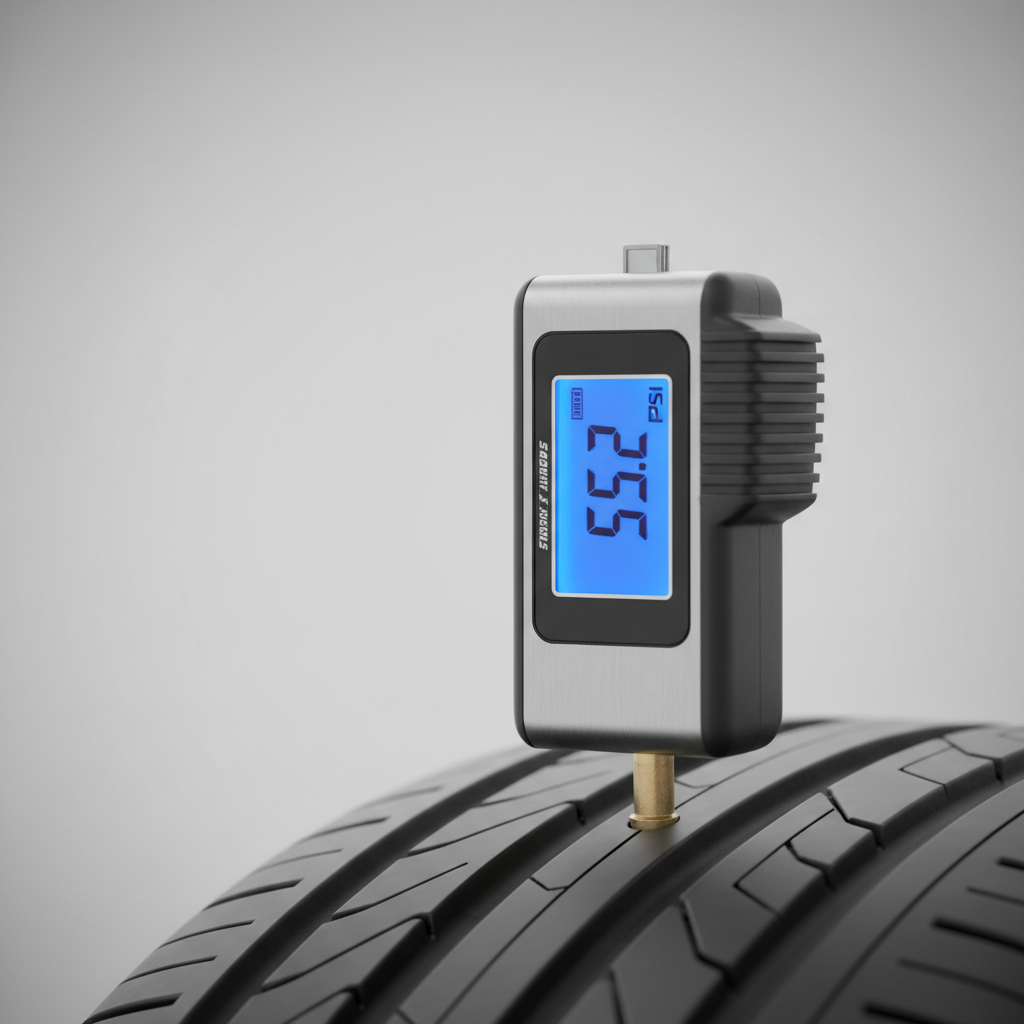
One small but important note: if your gauge consistently reads 2 PSI higher than another, that doesn’t automatically make it “bad,” the key is whether it stays consistent over time. Consistency is what lets you manage your tires predictably.
Mistakes that waste time (and sometimes cause more air loss)
A digital gauge should make tire checks easier, but a few habits can turn it into a frustrating ritual.
- Using the tire sidewall PSI as the target: that number is typically the tire’s maximum, not your car’s recommended pressure.
- Measuring right after driving: warm tires read higher, so you might underinflate later.
- Pressing at an angle: it leaks air and gives a low reading, then you add air you didn’t need.
- Ignoring valve caps: caps help keep dirt and moisture out. They’re not the primary seal, but losing them still invites trouble over time.
- Chasing perfect decimals: if you’re within a reasonable range for your vehicle, obsessing over 0.2 PSI rarely changes real-world outcomes.
When to get professional help (instead of buying another gauge)
If you keep seeing pressure drop in one tire, the best car tire pressure gauge digital will confirm the problem, but the fix may require a shop. Consider a professional inspection if any of these happen:
- You need to add air to the same tire every few days.
- You see a nail or sidewall damage, or you suspect a slow leak.
- TPMS warnings persist even when pressures match the placard, which could be a sensor issue.
- You notice vibration, pulling, or abnormal wear, which might point to alignment, balance, or tire damage.
Safety issues vary by situation, so if you’re unsure whether a tire is safe to drive on, it’s reasonable to consult a tire professional.
Practical buying recommendations (without overcomplicating it)
If you’re trying to narrow down your shopping list, here’s a grounded way to decide.
- Most drivers: choose a compact handheld digital gauge with backlight, solid valve seal, and replaceable battery.
- Tight access wheels or larger vehicles: consider a digital gauge with a short hose, it’s often less annoying than fighting angles.
- DIY maintainers: an inflator with a digital readout can be convenient, but still keep a separate gauge to verify readings.
If you only take one thing from this guide, make it this: pick a tool you’ll actually use monthly. That habit matters more than chasing a feature list, and it’s how a “best” gauge earns its spot.
Key takeaways
- Accuracy + repeatability beat fancy features.
- Measure tires when cold, and target the door-jamb placard.
- A good valve seal reduces air loss and improves confidence in readings.
- If one tire keeps losing pressure, the gauge is a diagnostic tool, not the repair.
Conclusion: a small tool that prevents bigger headaches
Choosing the best car tire pressure gauge digital comes down to trust and convenience, you want a reading you can repeat, and a tool you won’t dread using. Start with the type that fits your vehicle and habits, then prioritize a clean valve fit, readable screen, and dependable power.
If you’re shopping today, pick one gauge you can keep in the car and commit to checking monthly, then do one quick cross-check against a second gauge or a tire shop reading. That’s usually enough to feel confident you’re maintaining pressure the right way.