
how to fix car heater not working in winter usually comes down to a few repeat offenders: low coolant, a stuck thermostat, airflow problems, or a blocked heater core.
If you’re getting only cold air, weak airflow, or heat that comes and goes, it’s more than comfort, it can affect windshield defogging and winter visibility, which is when small issues turn into stressful drives.
I’m going to help you sort this logically, not by throwing parts at the car, so you can identify what’s likely wrong, what you can safely check at home, and when it’s smarter to stop and call a shop.
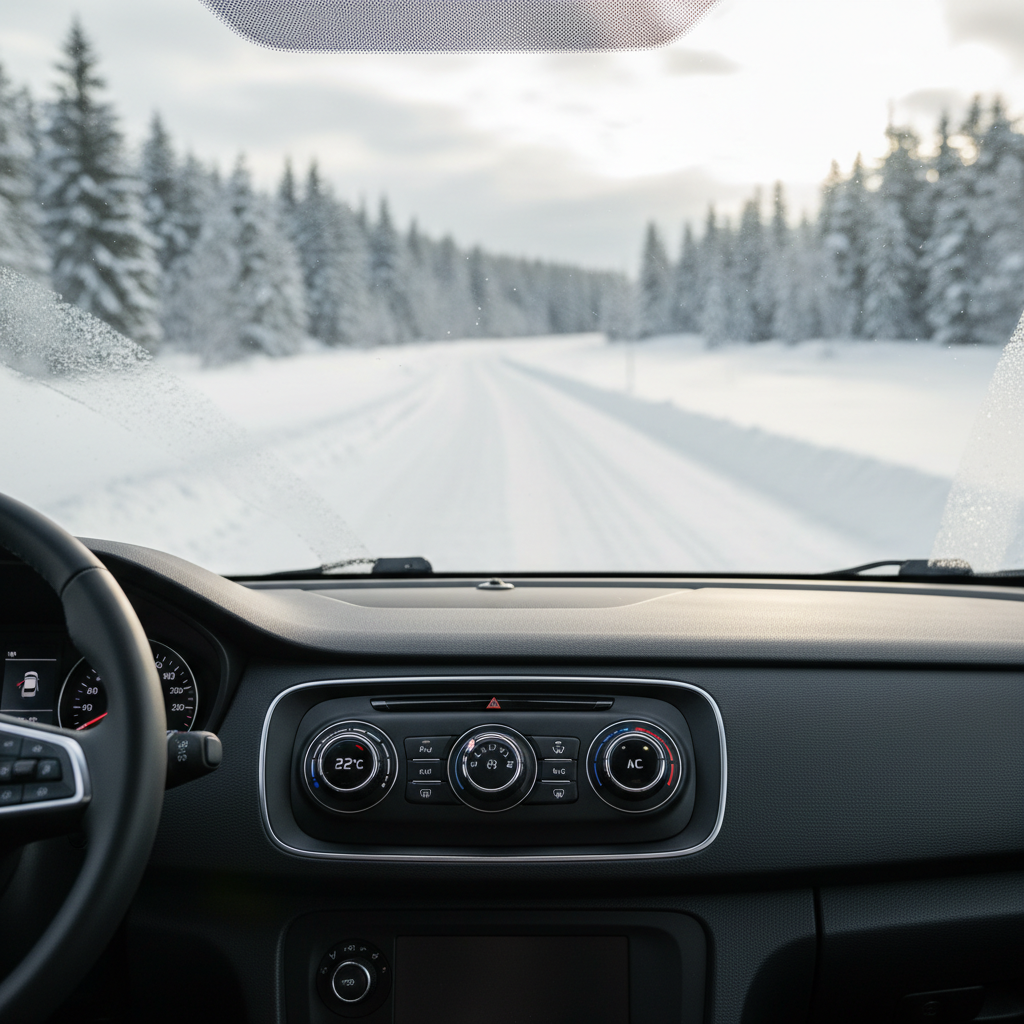
Quick triage: what “not working” actually means
Different symptoms point to different systems. Before you pop the hood, match your heater problem to the closest description.
- Cold air, even after 10–15 minutes driving: coolant level, thermostat, heater core flow, blend door
- Warm at idle, cold while driving: low coolant or airflow through heater core, sometimes thermostat behavior
- Hot air sometimes, then fades: air trapped in cooling system, low coolant, intermittently sticking blend door actuator
- Airflow weak or only certain fan speeds work: cabin air filter, blower motor, blower resistor/module
- Sweet smell inside, foggy oily film on glass: possible heater core leak, avoid ignoring this
According to NHTSA, reduced visibility is a major safety risk in adverse weather, so if your heater can’t clear fog effectively, treat this as a safety issue, not just a comfort annoyance.
Common causes and what they look like in real life
Low coolant or a small leak
Your cabin heat depends on hot coolant flowing through the heater core. If coolant is low, the heater core can be the first place airflow or “empty space” shows up, which means lukewarm air or no heat.
- Temperature gauge may creep higher than normal, or fluctuate
- You may hear gurgling behind the dash, especially on cold starts
- You might see dried residue near hoses, radiator, or reservoir
Thermostat stuck open (engine never warms up)
If the thermostat stays open, the engine takes a long time to reach operating temperature, so the heater never gets truly hot, especially in freezing weather.
- Temp gauge stays low even after highway driving
- Heat improves a little at idle but never becomes strong
Heater core restriction (partial clog)
Heater cores can clog from old coolant, mixed coolant types, or corrosion. Many drivers describe this as “it’s warm on one side” or “it used to be hotter.”
- One heater hose hot, the other noticeably cooler
- Heat fades at higher fan speed because airflow outpaces heat transfer
Blower motor, resistor/module, or cabin filter issues
If the air isn’t moving, it doesn’t matter how hot the coolant is. A clogged cabin air filter causes weak airflow, while a bad resistor often means only high speed works (or only certain speeds).
Blend door or actuator problems (air mixing issue)
Modern HVAC boxes use blend doors to mix hot and cold air. If the door sticks, you might get cold air even when the engine is fully warm.
- Clicking noises behind dash when changing temperature
- Temperature changes don’t match what the controls say
Self-check checklist (safe, fast, and surprisingly telling)
Do these checks in order, because the early ones often reveal the answer. If anything feels risky, stop and have a professional handle it.
- Confirm engine temp: after driving, the temp gauge should reach its normal range. If it stays low, suspect thermostat.
- Check coolant level (engine cold): look at the reservoir markings. Low coolant is a top cause of “no heat.”
- Check airflow strength: if airflow is weak on all settings, inspect cabin filter first.
- Check fan speed behavior: if only one speed works, suspect resistor/module rather than “heater” itself.
- Feel heater hoses (carefully): with engine warm, hoses near the firewall should be hot. Big temperature difference suggests restriction.
- Watch for windshield fog + sweet smell: this can indicate heater core seepage, don’t delay on this one.
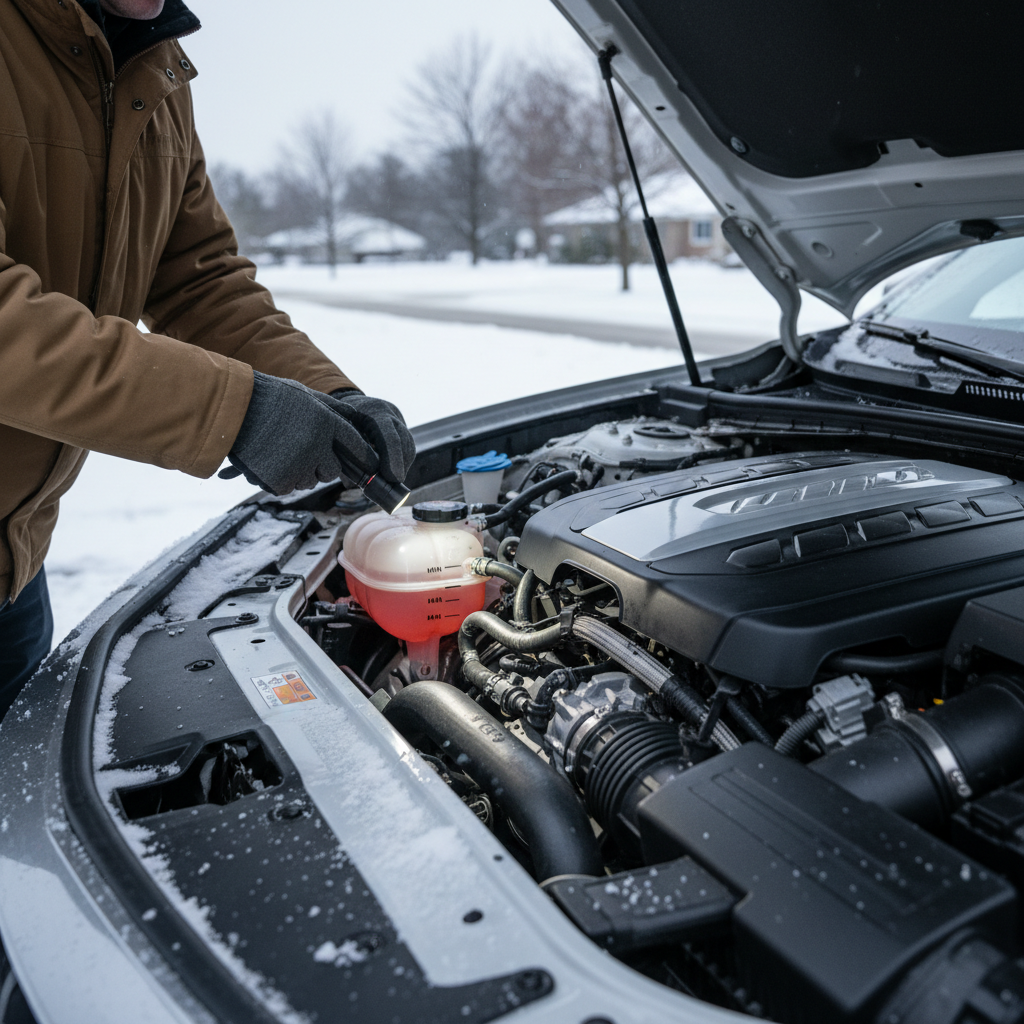
Fixes you can try at home (by scenario)
Below are practical steps that match the most common winter “no heat” scenarios. If your vehicle is under warranty, consider checking the manual or calling the dealer first, some HVAC parts are covered depending on plan.
Scenario A: Coolant is low
- Let the engine go fully cold. Never open a hot cooling system, hot coolant can spray and burn.
- Inspect the reservoir. If below “MIN,” top up with the correct coolant type specified by your owner’s manual.
- Look for obvious leaks around radiator hoses, clamps, reservoir seams, and under the car after parking.
- After topping off, re-check heat on the next drive and monitor the level for a few days.
If the level drops again, you likely have a leak that needs diagnosis. “Just topping off” works only when the system is sealed and you had a one-time low level from prior service or a minor issue now corrected.
Scenario B: Temp gauge stays low (thermostat suspicion)
- Confirm with driving conditions: if highway driving makes the gauge drop or stay cold, it strengthens the thermostat theory.
- Plan for replacement: thermostat replacement is straightforward on many cars but varies a lot by engine layout.
- Use correct coolant and bleeding procedure: air pockets after service can recreate “no heat.”
Because overheating risk depends on the exact failure mode, this is a good point to involve a shop if you’re not comfortable with coolant work.
Scenario C: Airflow is weak
- Replace the cabin air filter: often a 10-minute job behind the glovebox, and it can transform airflow.
- Listen for blower noise: if the fan is loud but airflow is weak, ducts or filter are more likely than the blower itself.
- If only certain speeds work: a blower resistor (or control module) is a common fix, especially on older vehicles.
Scenario D: Heater hoses show uneven temps (possible clogged heater core)
- Check coolant condition: rusty or sludgy coolant often goes with restricted heater cores.
- Consider a heater core flush: some vehicles allow a careful backflush at the heater hoses, but access and risk vary.
- If you see signs of leakage: skip flushing and get it inspected, a weak heater core can fail.
Many shops will pressure-test the cooling system and verify heater core flow before recommending replacement, which is usually more expensive because of dash labor.
Scenario E: Air temperature won’t change (blend door/actuator)
- Try HVAC recalibration if your vehicle supports it (some models reset actuators via a specific key/knob sequence).
- Scan for HVAC codes with a capable scan tool, not every OBD scanner reads body/HVAC modules.
- Inspect for clicking behind dash: repeated clicking often points to stripped actuator gears.
A quick diagnosis table (symptom → likely cause → next step)
| What you notice | Most likely cause | Good next step |
|---|---|---|
| Engine temp stays low | Thermostat stuck open | Confirm on longer drive, then plan thermostat replacement |
| No heat + coolant reservoir low | Low coolant / leak | Top up (engine cold), inspect for leaks, monitor level |
| Weak airflow on all speeds | Clogged cabin filter / duct restriction | Replace cabin filter, re-check vents |
| Only high fan speed works | Blower resistor/module | Test and replace resistor/module if needed |
| One heater hose hot, one cooler | Restricted heater core | Check coolant condition, consider professional flush/flow test |
| Sweet smell, fogging windows | Heater core leak | Limit driving, schedule inspection ASAP |
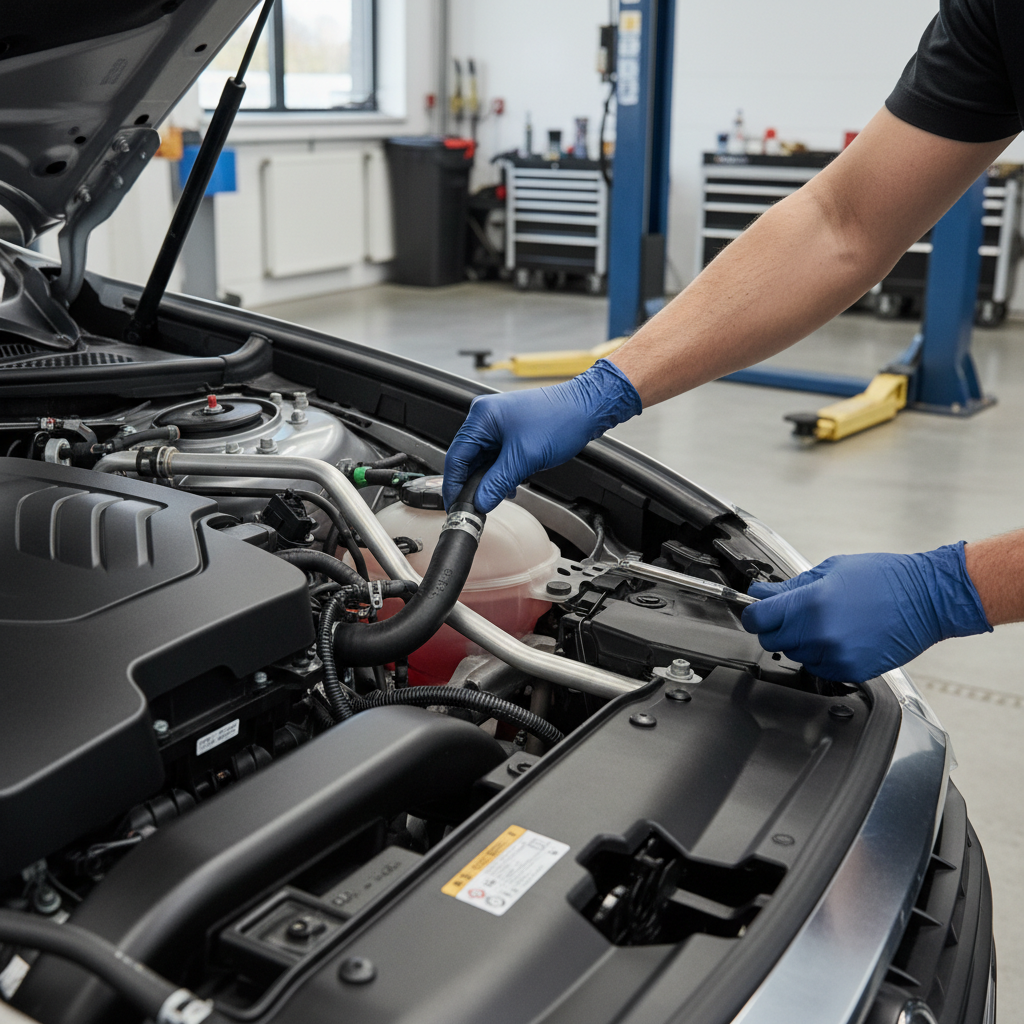
Common mistakes that waste time (or make things worse)
- Opening the radiator cap on a warm engine: this can cause serious burns. Always wait until fully cool.
- Mixing coolant types “because it was on sale”: some formulas don’t play well together and can create sludge over time.
- Assuming no heat means “bad heater core”: a clogged filter or low coolant is far more common and cheaper.
- Ignoring a fluctuating temp gauge: that’s a signal the cooling system needs attention, even if the car still drives.
- Overusing stop-leak products: they may help in limited cases, but they can also clog small passages, including the heater core.
According to AAA, routine vehicle maintenance checks help reduce winter breakdown risks, and coolant health is one of those unglamorous items that pays off when temperatures drop.
When it’s time to get professional help
Some heater issues are DIY-friendly, others are “stop before it gets expensive.” Consider a shop visit if any of these show up.
- Coolant keeps dropping or you see wet carpet on the passenger side
- Engine overheats, or the temperature warning light comes on
- Heater core leak signs such as sweet odor, persistent fogging, or greasy film on glass
- Blend door work that requires dash disassembly on your model
- You can’t bleed air properly and heat keeps fading after coolant service
If you need to drive before the repair, prioritize visibility and safety, use the defroster setting, crack a window to reduce humidity, and avoid long trips if overheating is even a possibility.
Key takeaways (so you can act today)
- No heat in winter is usually coolant level, thermostat, airflow, or heater core flow, not always a major failure.
- Start with the quick checks: engine temp behavior, coolant level (engine cold), cabin filter, fan speeds.
- Watch for leak clues: sweet smell, foggy windows, wet carpet, repeated coolant loss.
- If overheating enters the picture, stop troubleshooting and get help, it’s not worth the risk.
Once you match the symptom to the system, fixing a winter heater problem becomes a short list, not a guessing game. Pick one check from the list above, do it carefully, and if the car still can’t produce steady warm air, schedule a cooling system and HVAC inspection so you’re not driving blind behind a foggy windshield.
FAQ
Why is my car heater blowing cold air even though the engine is warm?
If the temperature gauge reads normal but the vents stay cold, the issue often sits in the HVAC box, like a blend door/actuator problem, or in heater core flow. A quick clue is heater hose temperature at the firewall, big differences can suggest restriction.
Can low coolant cause the heater to stop working in winter?
Yes, and it’s common. The heater core needs hot coolant, and when the system runs low, air pockets can form and cabin heat becomes weak or disappears. Top up only when the engine is cold, then monitor for recurring loss.
How do I know if my thermostat is stuck open?
The easiest sign is a temperature gauge that never reaches its usual spot, especially during highway driving in cold weather. You may also notice poor cabin heat and lower-than-normal engine temperature over the whole trip.
What if my blower works but airflow is weak?
Start with the cabin air filter, it’s cheap and often overlooked. If the filter is clean, then look for duct obstructions or a failing blower motor that spins but can’t move enough air under load.
Why does my heater work at idle but not when I’m driving?
This pattern often points to coolant level issues or air in the cooling system, because changes in engine speed and coolant flow can shift air pockets around. It can also happen with a thermostat that behaves inconsistently, so watching the temp gauge helps.
Is a sweet smell in the cabin always a heater core leak?
Not always, but it’s a strong warning sign, especially if it comes with fogging windows or damp carpet. Because coolant exposure and visibility issues are involved, it’s reasonable to get a professional inspection sooner rather than later.
Can I flush my heater core myself?
Sometimes, but it depends on access to heater hoses and how confident you are working around coolant. A careful backflush can help a mild restriction, but if the coolant is very dirty or you suspect a leak, a shop flow test and pressure test is safer.
Does “no heat” mean I shouldn’t drive the car?
If the engine temperature is stable and there’s no coolant loss, you can often drive short distances, though defogging may be limited. If the car shows overheating, rapidly dropping coolant, or heavy windshield fogging, it’s smarter to avoid driving and get it checked.
If you’re trying to fix a heater quickly but you’d rather not guess between coolant, thermostat, airflow, and blend door problems, a basic inspection with a cooling-system pressure test and HVAC scan can be a more efficient next step, especially in peak winter weather.