
Best car led interior light bulbs replacement usually comes down to three things: the exact bulb size your car uses, how bright you really want it, and whether the LED is built well enough to avoid flicker and warning lights.
If you have ever bought “universal” interior LEDs and ended up with a dome light that does not fit, a map light that looks uneven, or a bulb that dies in a month, you are not alone. Interior bulbs are small, but the details matter, and US-spec vehicles often have picky housings and sensitive electronics.
This guide helps you choose the right replacement LEDs for dome, map, trunk, and license plate lights, then install them without breaking clips or chasing electrical gremlins. I will also call out the common traps that make people feel like LEDs are “overrated” when the real issue is mismatch.
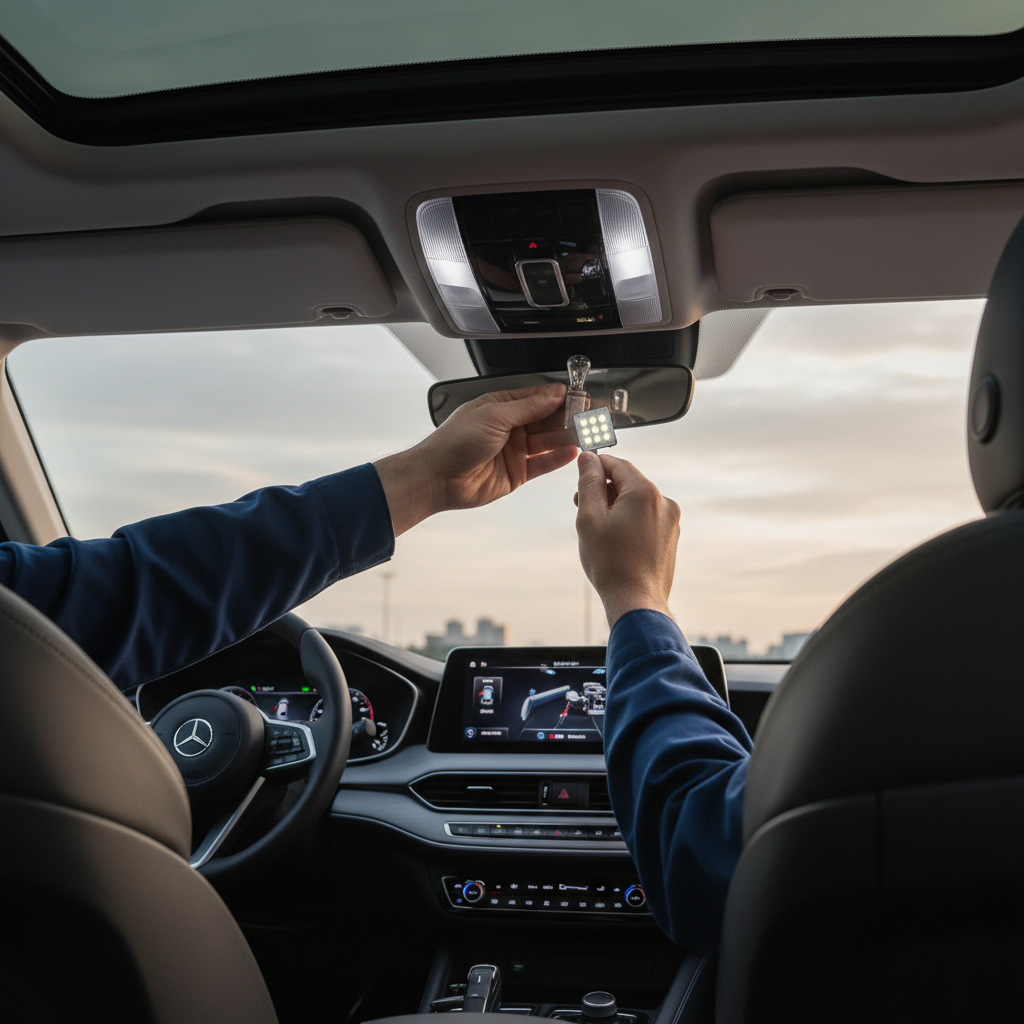
What “best” means for interior LED replacements
The best interior LED is not always the brightest option on a product page. In real cars, “best” tends to mean correct fit, stable light output, and no annoying side effects.
- Fit: same base type (for example 194/T10 or 31mm festoon) and the right physical length or width so it locks into place.
- Usable brightness: bright enough to see, not so intense that it feels harsh at night.
- Color temperature: many drivers prefer 4000K to 6000K; too blue can look cheap and can cause glare on light-colored interiors.
- Electrical compatibility: some vehicles need CAN bus-friendly LEDs or added load resistance to prevent warnings or flicker.
- Build quality: better heat management and consistent LED chips usually last longer.
According to NHTSA, aftermarket equipment should not interfere with safe operation of your vehicle. Interior lighting is less regulated than exterior lighting, but reliability and electrical compatibility still matter for day-to-day safety and convenience.
Common reasons interior LED swaps go wrong
Most complaints I see about interior LEDs are predictable, and they are rarely “LEDs are bad.” The typical issues come from selecting the wrong type, or skipping a small compatibility check.
- Wrong bulb size: “T10” and “194” are often used loosely, and festoon lengths vary (28mm, 31mm, 36mm, 39mm, 41mm).
- Polarity sensitivity: many interior LEDs work only one direction; if it does not light, flip it around.
- Hot spots and uneven light: flat panels can create bright points in clear lenses, while multi-side emitters spread light more naturally.
- Flicker/ghosting: some cars send tiny current pulses to check bulbs, which can make LEDs glow faintly when “off.”
- Cheap drivers and heat: poor voltage regulation and heat sinking can shorten lifespan, especially in small housings.
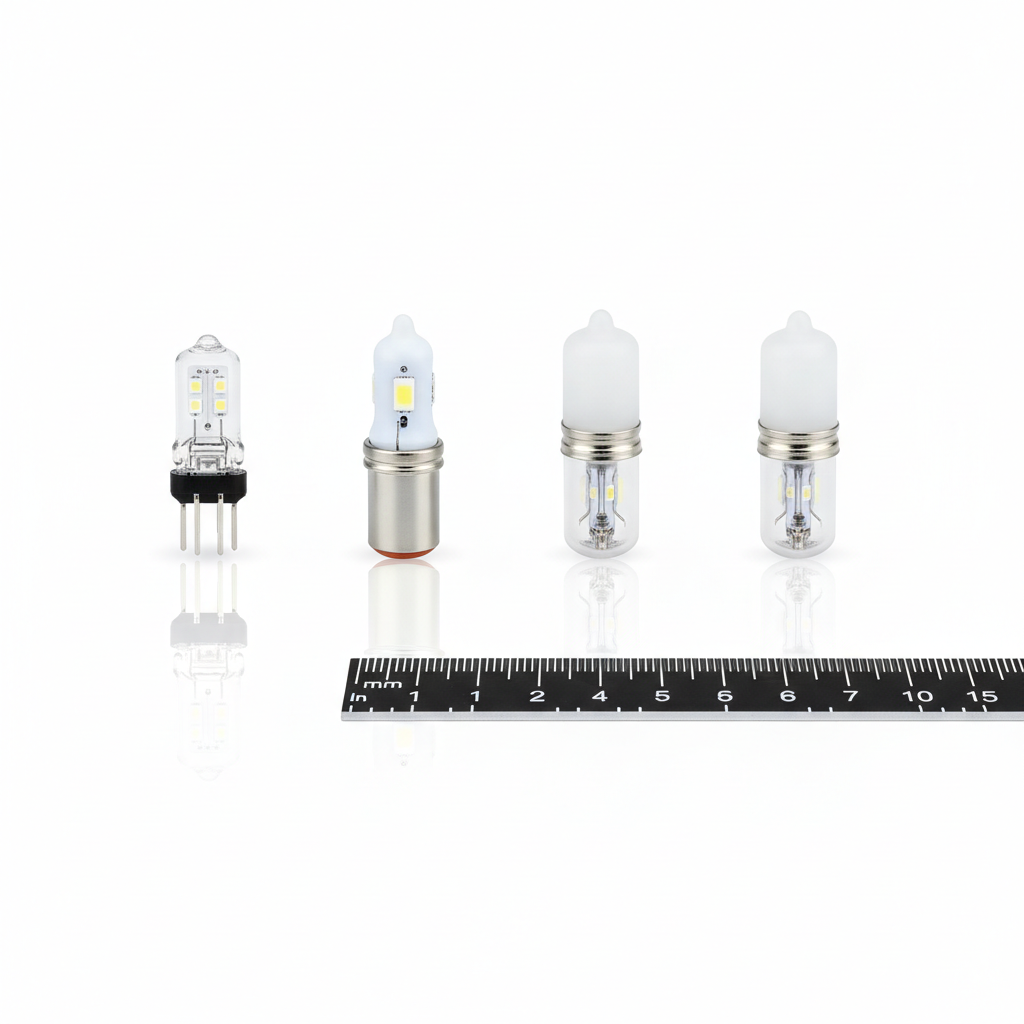
Quick self-check: find your bulb size and where it’s used
Before buying the best car led interior light bulbs replacement kit, confirm what your car takes in each location. Many vehicles mix sizes across the cabin.
Fast ways to confirm bulb type
- Owner’s manual: often lists bulb numbers for map, dome, trunk, glove box, and license plate.
- Parts lookup: major auto parts retailers’ online fitment tools can help, but double-check physical size.
- Pull and match: remove one bulb and read the marking, then measure festoon length end-to-end.
Common interior bulb bases in US vehicles
- 194 / 168 / T10 wedge: map lights, door courtesy, license plate, small interior fixtures.
- Festoon (various mm lengths): dome lights, vanity mirrors, trunk lights.
- DE3175 / 3022: some dome and trunk applications.
- 7440 / 7443: less common for interior, but used in some larger housings.
If your goal is a uniform look, list every interior light location and its bulb type. That avoids the classic situation where the dome looks “ice white” but the map lights stay warm yellow.
How to choose LEDs that look good in real life (not just online)
Product photos often make any LED look perfect. In your cabin, reflectivity, lens shape, and trim color change everything.
- Color temperature: 4000K–5000K reads “clean white” in many cars, 6000K looks cooler and can feel bluish, especially on beige interiors.
- Brightness: use moderate lumen options for map lights if you drive at night a lot, overly bright LEDs can feel like a flashlight to the face.
- Beam pattern: multi-directional emitters usually fill the cabin more evenly than a single forward-facing chip.
- Diffused vs clear: diffused LEDs can reduce harsh hot spots behind clear lenses.
- CAN bus / error-free: on many vehicles this is irrelevant for interior bulbs, but on some it reduces flicker and “bulb out” warnings.
A practical trick: if you are unsure between “super bright” and “standard bright,” pick standard for map/dome and go brighter only for trunk/cargo. The trunk is where you actually want a work light.
Comparison table: picking the right LED style by location
Use this table to match your goal to the bulb style, instead of buying one random kit for everything.
| Location | What usually works best | What to avoid | Notes |
|---|---|---|---|
| Map/reading lights | Moderate brightness, diffused or multi-side | Ultra-high lumen “spotlight” LEDs | Glare matters more than raw output |
| Dome light | Wide beam, even spread | Single forward-firing chip | Even coverage makes cabin feel upscale |
| Vanity mirror | Warm-neutral white (around 4000K–5000K) | Very blue 6500K | Cool white can look harsh on faces |
| Trunk/cargo | Higher brightness, wide beam | Low-power chips | This is where “brighter” pays off |
| Glove box | Moderate brightness, stable driver | Overheated cheap LEDs | Small housings trap heat |
| License plate | White, stable, no flicker | Overly blue or scattered beam | Check local rules; keep it clean white |
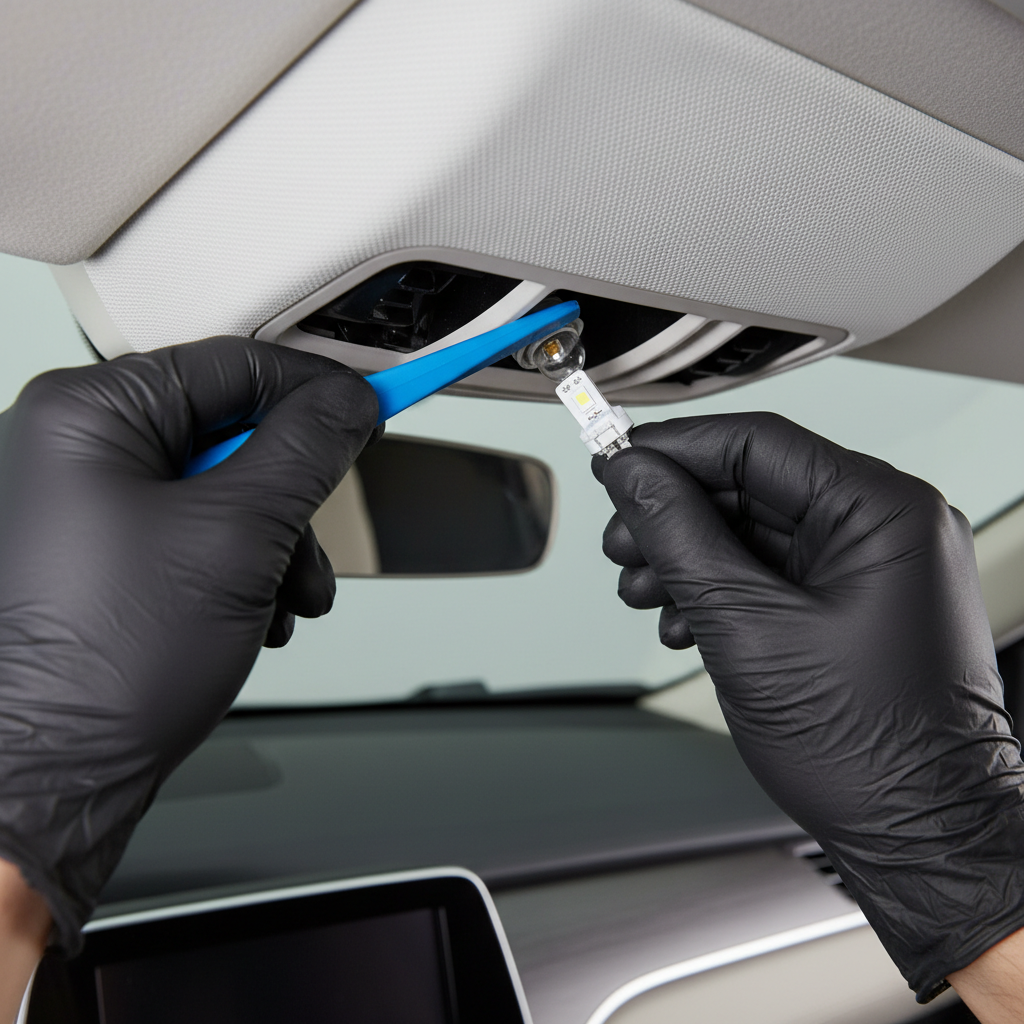
Step-by-step: replacing interior bulbs without breaking anything
Best car led interior light bulbs replacement is an easy DIY in many vehicles, but trim clips and delicate lenses are where people get frustrated. Go slow, use the right tool, and test before reassembling.
Tools that make this painless
- Plastic trim tool set (avoid metal screwdrivers on visible trim)
- Microfiber cloth or gloves (keeps lenses clean)
- Small flashlight
Install steps that work in most cars
- Turn the light off and remove the key, for EVs and newer cars, consider powering down fully.
- Pry the lens gently from the correct notch, if you feel strong resistance, stop and find the release point.
- Remove the old bulb, for hot halogens, wait a few minutes.
- Insert the LED, if it does not light, flip polarity and try again.
- Test function with door open/close, dimmer settings, and any “fade out” behavior.
- Reinstall lens only after testing, snapping it in evenly avoids stress cracks.
If you are working around airbags in pillars or headliners, or you need to remove larger panels, it may be smarter to stop and ask a technician, because a broken clip is annoying but an airbag issue is a bigger deal.
Troubleshooting: flicker, bulb-out warnings, and faint glow
If your LED works but behaves weirdly, you are seeing electrical “personality,” not a mystery. Many fixes are simple, and some depend on the vehicle.
- LED does not turn on: flip it (polarity), confirm the socket contacts are not bent.
- Rapid flicker: try a higher-quality LED with a better driver, in some cars a CAN bus-compatible option reduces this.
- Faint glow when off: some vehicles leak small current; a different LED design or an added load device might help, but added resistors can create heat, use caution.
- Bulb-out message: more common on exterior bulbs, but can happen; “error-free” LEDs or proper load matching may help.
- Radio noise: poorly filtered LEDs can cause interference; switching brands often fixes it.
According to SAE International, electrical systems in vehicles are sensitive to electromagnetic compatibility. In plain terms, cheap LED drivers can be noisy, and that noise can show up as flicker or interference.
Key takeaways before you buy
- Confirm bulb size per location, many cars mix wedge and festoon.
- Pick color temperature on purpose, neutral white often looks more “OEM” than very blue light.
- Match LED style to the job, map lights need comfort, trunk lights need output.
- Test before snapping lenses back, polarity and fit issues are easier to fix when it is open.
- Chasing flicker usually means compatibility, not user error.
Conclusion: a “best” interior LED swap is the one you stop thinking about
A good best car led interior light bulbs replacement plan is boring in the best way: everything fits, light looks even, and nothing flickers. If you do two things, make them these, verify the exact bulb sizes first, then choose brightness and color temperature based on where the bulb sits in the cabin.
If you want an easy next step, pull one bulb from your dome and one from your map light, write down the codes and measure any festoon length, then buy LEDs that match those exact specs rather than a generic “fits most” kit.
FAQ
- What is the best color temperature for car interior LEDs?
Many drivers in the US land around 4000K to 5000K for a clean look without the blue tint. If you want a modern, crisp look, 5000K to 6000K can work, but it may feel harsh in small cabins. - Do interior LED bulbs cause battery drain?
Usually no, but if an LED glows faintly when off, the vehicle may be sending a small monitoring current. That draw is often tiny, yet if you park for long periods, consider testing or asking a shop to confirm. - Why does my LED dome light flicker when the car is off?
Some vehicles pulse the circuit to check bulb status, and LEDs react instantly. A higher-quality LED driver or a CAN bus-friendly option often helps, and in tricky cases a professional can diagnose the circuit behavior. - Are “CAN bus” interior LEDs necessary?
In many cars, no. In some newer models they reduce flicker or warnings, so it is worth considering if you have already experienced issues with standard LEDs. - Can I mix LED and halogen interior bulbs?
You can, but color mismatch is noticeable. If you care about a consistent cabin look, replace bulbs by zone (front map + dome together, then rear, then trunk). - How do I know if I need a 31mm or 36mm festoon?
Measure the old festoon end cap to end cap. Even a 5mm difference can prevent proper spring contact, so measuring beats guessing. - Is it safe to add resistors to fix LED issues?
Resistors can run hot. For interior applications, many people try a different LED design first, and if heat management is unclear, it is reasonable to ask a professional installer.
If you are comparing kits and want a more “no guesswork” path, look for a set that lists exact bulb sizes, provides a brightness range by location, and has clear notes about flicker or error messages, it saves time and usually saves frustration too.