
Best car oil stop leak additive is usually the first thing people search for when they’re tired of oil spots on the driveway but not ready for a repair bill, and in many cases, that’s a reasonable instinct.
That said, stop-leak additives sit in a weird middle ground: they can help certain slow leaks, they can also waste time on leaks that need a gasket, seal, or housing replaced, and if you use the wrong product in the wrong engine, you may create new problems.
This 2026 guide focuses on what actually matters in the U.S. market: what these additives can and can’t do, what to look for on the label, and how to decide if you should use one today or book a shop visit instead.

What an oil stop-leak additive can (and can’t) do
Most “oil stop leak” products are seal conditioners, they’re designed to soften and slightly swell aging rubber so a hardened seal can regain some flexibility. When the leak source is a tired crankshaft seal, cam seal, or similar rubber seal, results can be noticeable within a few drives.
Where they usually fail is when the leak isn’t primarily a rubber-seal issue, for example a cracked valve cover, a warped oil pan flange, a stripped drain plug, or a leaking oil filter housing gasket that’s physically pinched or torn.
- Most likely to help: slow seepage from older rubber seals, especially on higher-mileage engines.
- Sometimes helps: minor gasket seepage if the gasket includes rubber elements and the leak is more “sweat” than “drip.”
- Unlikely to help: active dripping, cracks, missing bolts, over-pressurization from a PCV issue, or leaks after sloppy work.
According to API (American Petroleum Institute) guidance on engine oil quality and compatibility, sticking to products that don’t undermine the oil’s intended performance matters, which is why reputable brands and clear compatibility notes are worth prioritizing.
Quick self-check: are you the right candidate for stop-leak?
Before you buy anything, take two minutes and try to categorize your leak. This is the difference between a $15 experiment and a month of frustration.
Green-light signs (try an additive first)
- The leak looks like seepage or a slow film, not a steady drip.
- It’s a higher-mileage engine and seals may be hardened.
- Oil level drops slowly, you’re topping off maybe every few weeks, not every few days.
- No burning-oil smell on the exhaust, no smoke, no misfires tied to oil intrusion.
Red flags (skip additive and diagnose/repair)
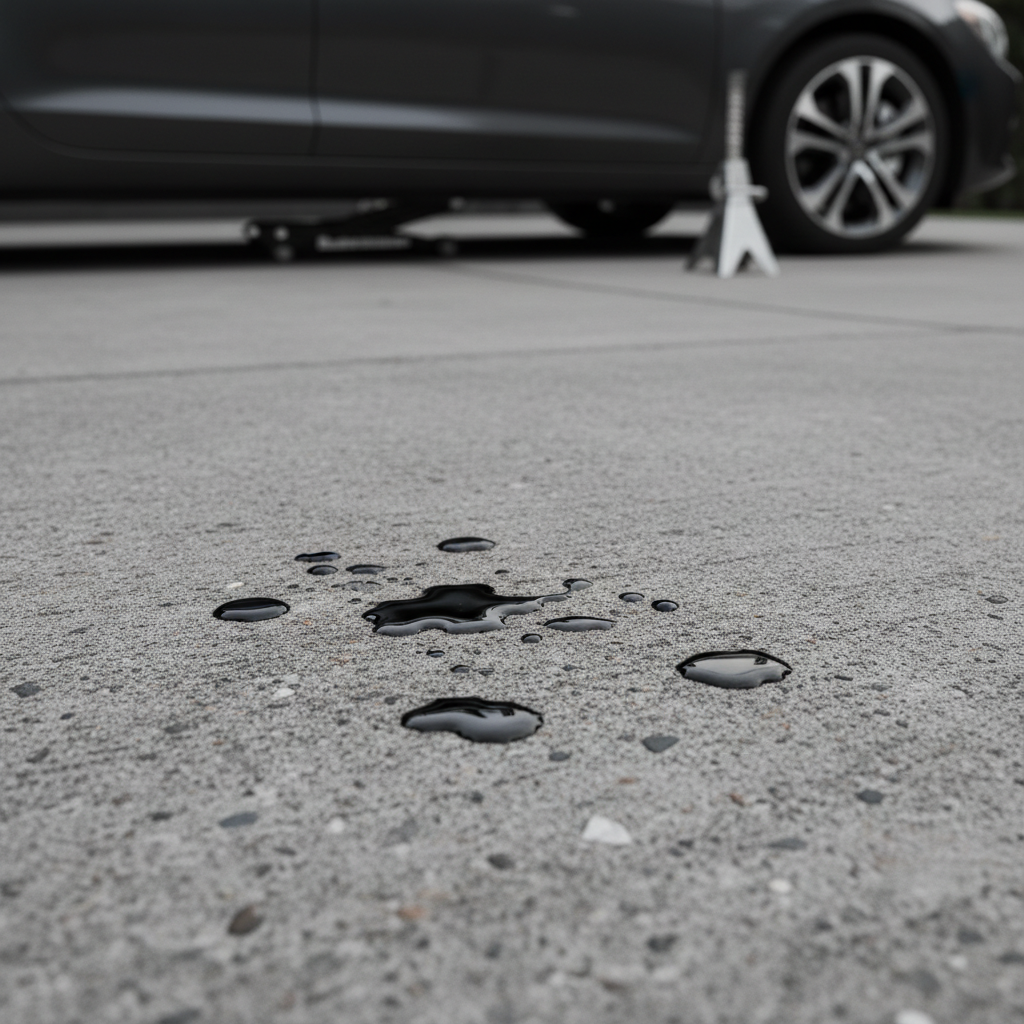
- Puddles after parking, or oil on the serpentine belt.
- Oil pressure light flickers, or you hear new ticking/knocking.
- Leak appears right after an oil change, filter swap, or recent repair.
- Oil smell in cabin, smoke from engine bay, or oil on hot exhaust parts.
Best oil stop leak additives for 2026: how to choose (without hype)
You’ll see a lot of “miracle” language in this category. Ignore it. What separates a decent pick from a regret purchase is usually: brand credibility, clear instructions, and a formula that’s meant to condition seals without turning your oil into syrup.
Below is a practical comparison table of well-known options U.S. drivers commonly consider. Availability and formulas can change year to year, so treat this as a “shortlist framework,” not a lab ranking.
| Product type | Best for | What to watch | Good fit if you… |
|---|---|---|---|
| Seal conditioner (mainstream) | Slow leaks from aging seals | Follow dose, avoid stacking additives | Need a simple first attempt |
| High-mileage oil (built-in conditioners) | General seepage + routine maintenance | Needs an oil change to switch | Prefer fewer “extra bottles” |
| Thickening stop-leak blends | Short-term reduction of seepage | Can affect cold-start flow in some engines | Drive in warm climates, leak is mild |
| Professional-grade seal rejuvenators | Stubborn but still minor seal leaks | Cost, and still not a fix for damage | Want the “one serious try” before repairs |
Key takeaway: if your engine is already on high-mileage oil and still leaks, a dedicated best car oil stop leak additive might be the next step, but it should be a controlled test, not a permanent substitute for repairs.
How to use a stop-leak additive (step-by-step, real-world safe)
Using these products incorrectly is more common than people admit, especially overdosing or mixing multiple “fix-in-a-bottle” treatments.
- Confirm oil level first: top off to the correct level before adding anything, don’t exceed the full mark.
- Read the bottle for capacity: dose is usually based on total oil capacity, not “one bottle for any car.”
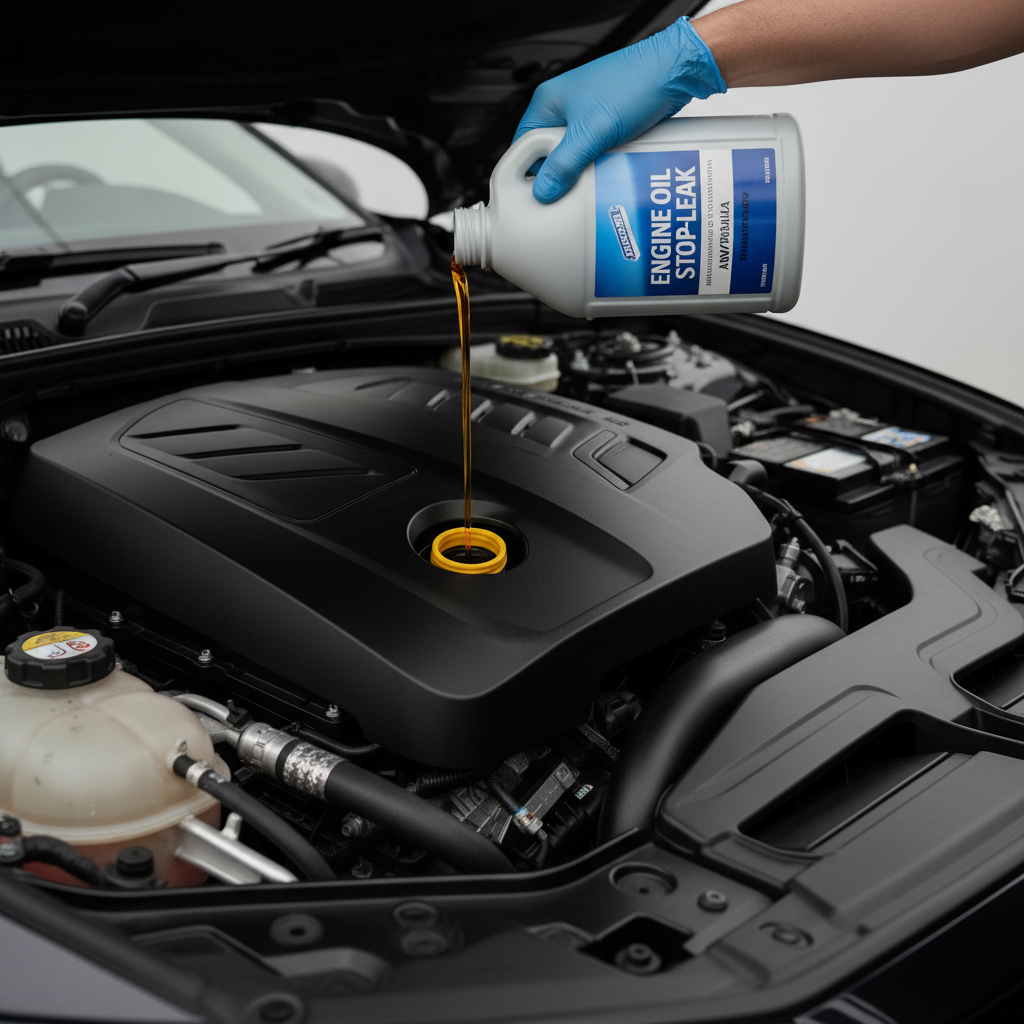
- Add to warm engine oil: after a short drive, shut off, then add the product and re-check level.
- Drive normally for a few days: many seal conditioners take heat cycles to work, immediate results aren’t guaranteed.
- Re-check for leaks and level: wipe suspect areas clean, then watch for fresh oil trails.
If you want a cleaner experiment, place cardboard under the engine overnight, it helps you see whether the drip rate changes without guessing.
Common mistakes that make results worse (or make you think it “didn’t work”)
The biggest issue is expecting one product to solve every leak. A stop-leak additive is not a gasket replacement, and it won’t seal a crack that’s opening and closing with heat.
- Overfilling oil: too much oil can increase crankcase pressure and push oil past seals, making leaks look worse.
- Ignoring the PCV system: a stuck PCV valve can raise crankcase pressure, leaks keep coming back until that’s addressed.
- Mixing additives: “stop leak + thickener + cleaner” is where people get into sludge concerns.
- Judging too fast: many products need a few days of driving to condition seals.
- Not cleaning the area: old oil residue can drip for days, even after the leak slows.
According to AAA general maintenance guidance, staying ahead on oil level checks is one of the simplest ways to reduce the risk of engine damage, and leaks are exactly the scenario where that habit pays off.
When you should stop experimenting and get a real repair
It’s okay to try the best car oil stop leak additive once, but it’s also smart to set a “decision point.” If you keep topping off oil and hoping, the risk shifts from “annoying mess” to “expensive engine.”
- Leak reaches the ground daily, or worsens quickly over a week.
- You see oil on the timing cover area, rear main area, or near the transmission bell housing and it’s more than a light sweat.
- Oil hits the exhaust and you smell burning, this can be a safety concern, a shop should inspect.
- You notice drivability issues or warning lights, at that point, diagnosis beats additives.
If you’re unsure, a quick inspection from a trusted mechanic is often cheaper than repeated bottles plus extra quarts of oil. Many shops can add UV dye and pinpoint the exact source, which makes the next step obvious.
Practical “2026 picks” approach: a simple decision tree
Instead of chasing a perfect ranking, use this logic and you’ll usually land on a sensible product choice.
- If you’re due for an oil change: switch to a high-mileage full synthetic (or blend) first, then reassess after 500–1,000 miles.
- If you recently changed oil and the leak is mild: choose a reputable seal conditioner additive designed for engine oil systems.
- If winter cold starts matter: avoid very thick “honey-like” formulas, prioritize conditioners that don’t rely on heavy viscosity changes.
- If you’ve tried one bottle with no change: don’t keep stacking bottles, move to diagnosis, the leak may be mechanical damage.
Bottom line: the best car oil stop leak additive is the one that matches your leak type and your risk tolerance, not the one with the loudest promise on the label.
Conclusion: what to do next
If you’re dealing with a minor seep, a stop-leak additive can be a reasonable short-term tool, especially on higher-mileage vehicles where seal hardening is common. If you see active dripping, burning smells, or fast oil loss, the “right” move is usually inspection and repair, not another bottle.
Action-wise, keep it simple: confirm the leak severity, run one controlled additive test, then set a clear cutoff where you switch to diagnosis. Your engine will thank you more than your driveway will.
FAQ
- How long does an oil stop-leak additive take to work?
Many seal conditioners need several heat cycles, so people often see changes over a few days to a couple weeks of normal driving, not instantly. - Will a stop-leak additive fix a valve cover gasket leak?
Sometimes it can reduce seepage if the leak is mild and there’s rubber that can recondition, but if the gasket is cracked, pinched, or the cover is warped, a replacement is more realistic. - Is it safe to use stop-leak with full synthetic oil?
Often yes, but compatibility depends on the product and the engine, so check the label and avoid mixing multiple additives. If you’re unsure, ask a mechanic or follow the oil brand’s guidance. - Can these additives clog oil passages or cause sludge?
Risk varies by formula and how it’s used, overdosing and stacking products is where problems tend to show up. If the engine already has heavy sludge, professional advice is smart. - What if the leak gets worse after adding it?
Re-check oil level first, then consider crankcase pressure issues like PCV problems, or that the leak source is a gasket/crack the additive can’t address. If it’s suddenly dripping, stop driving and get it inspected. - Do I need to change the oil after using a stop-leak additive?
Not always immediately, but it’s a good idea to stick to normal oil-change intervals and monitor oil condition. If you used a thickening product and notice cold-start issues, an earlier change may help.
If you’re trying to pick a best car oil stop leak additive for your exact vehicle, it helps to match the leak location, mileage, oil type, and climate first, and if you want a more hands-off path, a quick shop diagnosis can prevent buying products that were never going to work for your situation.