
Best car key fob battery replacement usually comes down to two things: buying the correct coin-cell battery (the right size and chemistry) and swapping it without damaging the case, the gasket, or the tiny contact clips. If your remote range suddenly shrinks, the buttons feel “laggy,” or the car only unlocks when you’re close, a fresh battery often fixes it.
People tend to overthink this, then end up overpaying at the dealer or grabbing a random battery that leaks early. The goal here is simpler: identify what your fob actually needs, replace it cleanly, then confirm everything works before you toss the old cell.
One more thing before we get practical: many newer cars still start even with a weak fob because the car can read the transponder when the fob is near the start button. That can hide a dying battery until the day the remote functions quit at the worst moment.
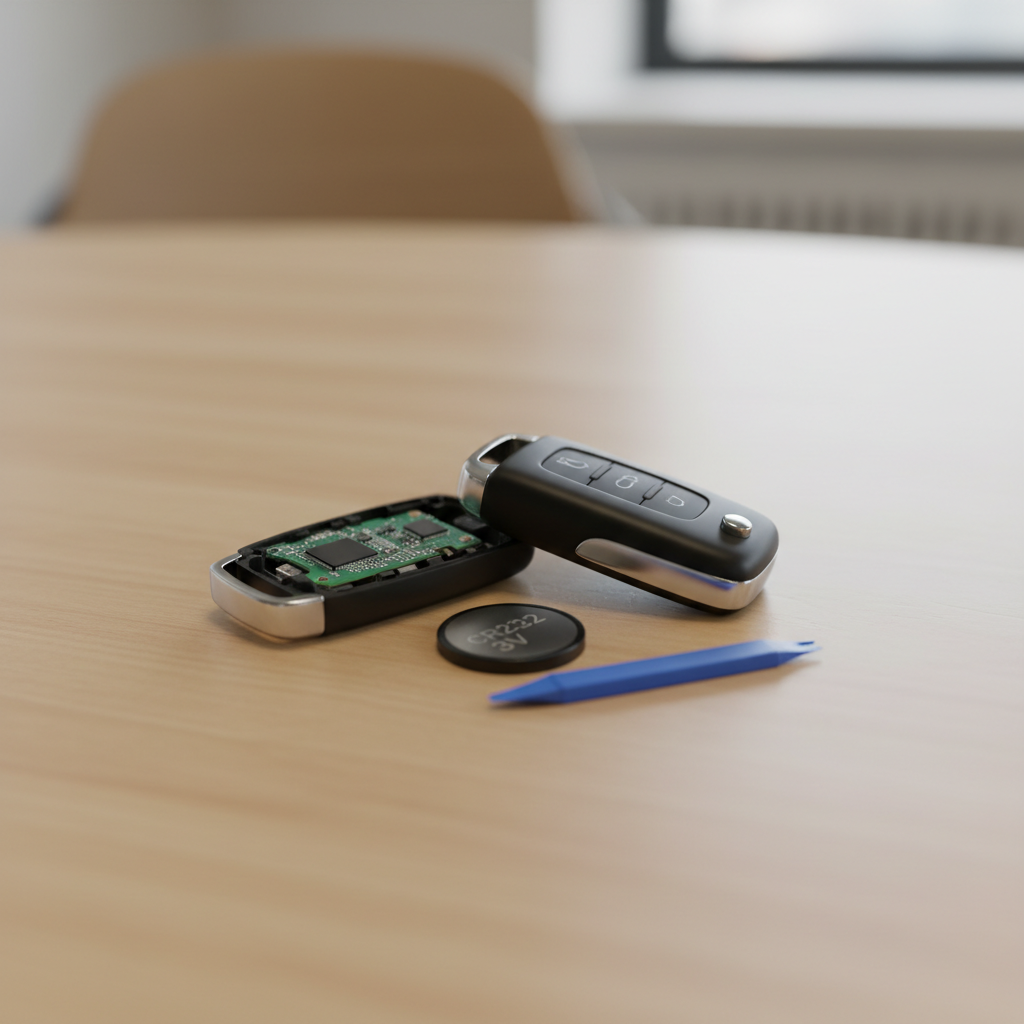
What “best” means for a key fob battery (it’s not just the brand)
The “best” replacement is the one that matches your fob’s required size and holds up over time. In practice, that means you’re looking at four variables, and only two are visible on the shelf.
- Battery size code (most often CR2032, CR2025, CR2016, sometimes CR2450): the wrong thickness can cause intermittent contact.
- Chemistry and voltage: most key fobs use 3V lithium coin cells, and substitutes that “fit” but aren’t equivalent can create early failures.
- Freshness: coin cells age on the rack, especially in warm stores or if packaging gets damaged.
- Build quality: better sealing and consistent terminal plating tends to mean fewer weird dropouts.
According to Energizer, most key fobs use lithium coin batteries, and the size is typically marked on the battery itself. That marking matters more than any “universal” claim on the package.
Common reasons your key fob battery dies faster than expected
If you feel like you’re replacing batteries “too often,” you’re not imagining it in many cases, but the battery isn’t always the only culprit.
- Buttons get pressed in a pocket or bag, the fob keeps transmitting, and the cell drains faster than normal.
- Extreme heat or cold reduces effective capacity and can make a borderline battery look dead.
- Dirty contacts inside the fob create higher resistance, so voltage drops under load even with a decent cell.
- Cracked housing or missing gasket lets moisture in, corrosion starts, then the battery “fails” early.
- Wrong battery thickness makes the cell float, you get intermittent power, and it feels like a weak battery.
There’s also a simple human factor: touching the coin cell faces with sweaty fingers can leave residue, which sometimes contributes to contact issues. It won’t ruin every battery, but it’s an easy thing to avoid.
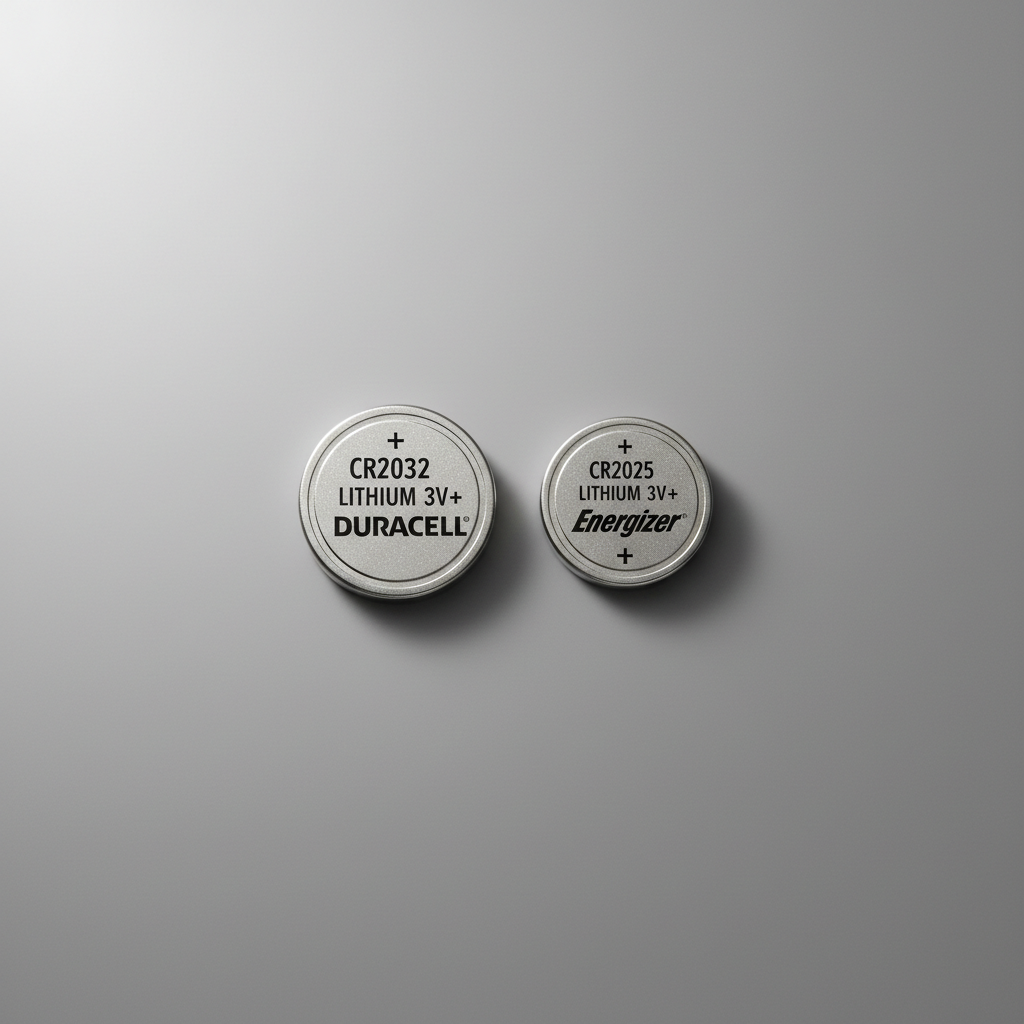
Quick checklist: how to confirm you’re buying the right battery
Before you order anything, take 60 seconds and check these items. It prevents 90% of the frustration.
- Read the old battery code: look for CR2032/CR2025 printed on the face.
- Check your owner’s manual: many list the fob battery type in the “Keys” or “Remote” section.
- Match the brand-new packaging to the exact code, not “fits most remotes.”
- Look for intact, sealed packaging: torn blister packs are a red flag.
- Buy from a reputable seller: marketplaces can be fine, but random third-party coin cells sometimes arrive old.
If you can’t open the fob easily yet, try searching your exact model and year plus “key fob battery type.” Just treat it as a hint until you confirm the code on the old cell.
Best car key fob battery replacement options (a practical comparison)
This is the part most people want: which battery should I actually pick. Realistically, you’re choosing between reputable name brands, store brands, and the “cheap multipack” route. Here’s a grounded way to compare.
| Option | When it makes sense | What to watch |
|---|---|---|
| Name brand lithium coin cell | Daily driver, you want fewer surprises | Counterfeits online; check seller and packaging |
| Store brand (major retailers) | You need it today, decent quality in many cases | Stock may sit longer; check expiration date if shown |
| Bulk multipack | Multiple fobs at home, you replace several devices | Variable quality; older inventory drains sooner |
If you’re aiming for the best car key fob battery replacement experience, prioritize correct size, reputable source, and freshness over chasing a bargain that costs time later.
Step-by-step: replace the battery without breaking the fob
Most fobs open one of two ways: a hidden mechanical key release, or a small seam you pry. If you’re unsure, check the manual for your specific fob because forcing the wrong spot is how clips snap.
Tools that help (and what to avoid)
- Plastic pry tool or a guitar pick: reduces cosmetic damage.
- Small flathead screwdriver: works, but it’s easy to gouge the plastic.
- Microfiber cloth: keeps parts from skittering off a table.
- Avoid knives: too much leverage, too easy to slip.
Replacement steps
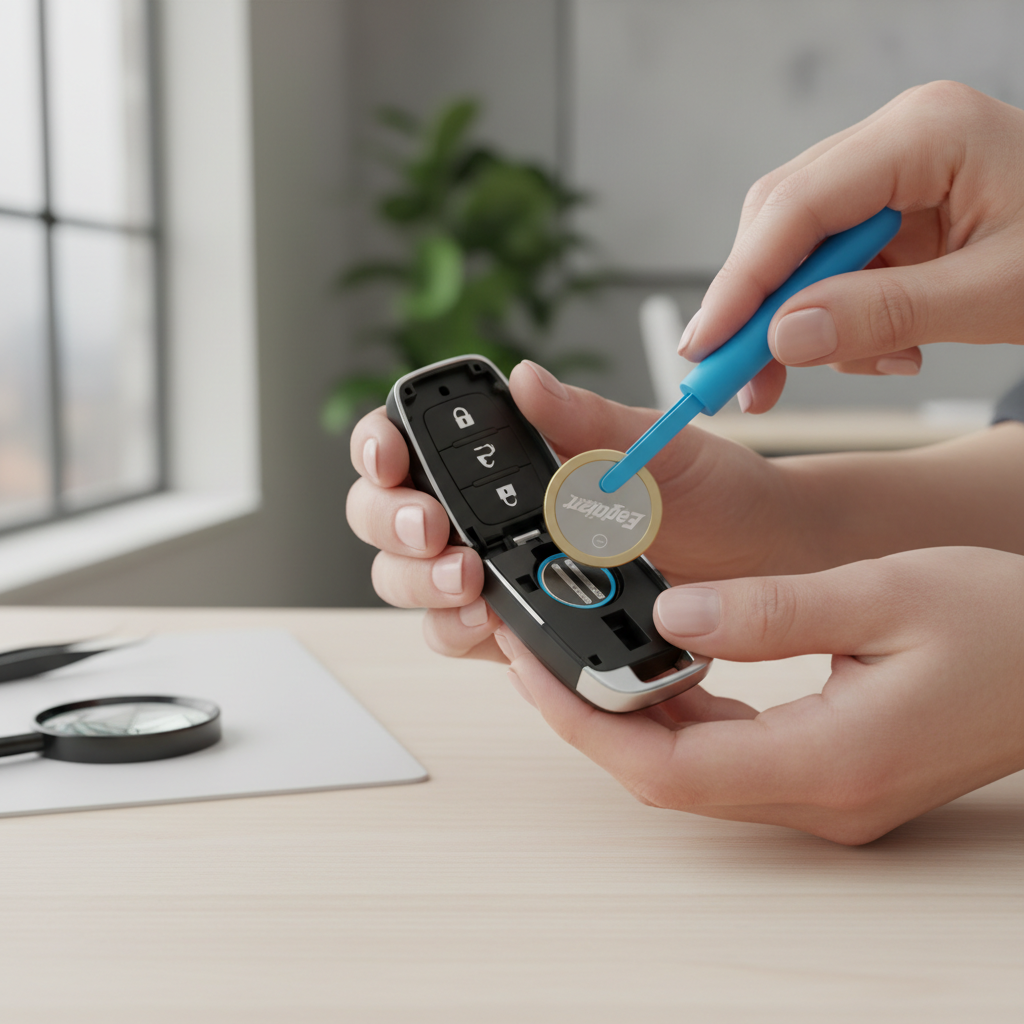
- Open the fob gently at the seam or latch, then separate the halves.
- Note the battery orientation before removal, take a quick photo if you want.
- Lift the battery out without bending the metal contact tabs.
- If you see residue or light corrosion, wipe contacts with a dry cloth; if it’s more than light grime, a tiny amount of isopropyl alcohol on a swab can help, then let it fully dry.
- Insert the new battery in the same orientation, then press until it sits flat.
- Reassemble the case, confirm it snaps evenly all around.
Key point: if the case won’t close easily, don’t “muscle it.” A mismatched battery thickness or a misaligned rubber gasket often causes that feeling.
Testing after replacement: don’t skip this 2-minute check
After a best car key fob battery replacement job, you want to know immediately whether the fix “took” or you’re dealing with a different issue.
- Test lock/unlock from a normal distance, not right next to the car.
- Test trunk/panic button if your fob has them.
- If you have push-button start, confirm the car recognizes the fob both inside the cabin and near the start button.
- If range still seems poor, try the spare fob; if the spare is strong, your primary fob may have contact wear or a weak transmitter.
Some cars may show a “Key Fob Battery Low” message that clears after replacement, others keep the message for a short period. If it persists for days, it’s worth re-checking battery type and seating.
Mistakes that waste time (and can create new problems)
Most “it still doesn’t work” stories come from a small set of avoidable missteps.
- Buying the right number, wrong variant: CR2032 vs BR2032, or mixing chemistries without verifying compatibility.
- Touching both battery faces a lot: skin oils can contribute to contact inconsistency.
- Forcing the case: broken clips lead to loose fit, then intermittent power.
- Assuming a dead fob means a dead battery: water damage and worn buttons are real.
- Storing spare coin cells loose: a battery shorting against keys/coins can heat up and become unsafe.
According to UL Solutions, coin cell batteries should be kept out of reach of children due to ingestion hazards, and storage should prevent accidental contact. If you keep spares in a drawer, keep them in original packaging.
When to get help (or replace the whole fob)
If a fresh battery doesn’t restore normal behavior, the battery swap might be the easy part, and the fob itself might need attention.
- Visible corrosion on the circuit board, sticky residue, or moisture inside the case: a locksmith or dealer may be the safer next step.
- Broken case or missing seal: consider a replacement shell to prevent repeat failures.
- Intermittent operation after multiple batteries: contact springs may be bent or worn, a professional can often diagnose quickly.
- Programming issues: some replacement fobs require pairing; procedures vary by make/model, and a professional avoids lockouts.
If you’re uncomfortable prying the fob open, or you suspect water damage, it’s reasonable to ask a locksmith or dealership service desk. Many cases are routine, but forcing parts can turn a small fix into a full replacement.
Conclusion: a simple way to get this right
The best results come from a boring formula: confirm the exact battery code, buy a quality lithium coin cell from a reputable source, swap it without stressing the contacts, then test range immediately. That’s the reliable path to a best car key fob battery replacement outcome without paying for guesswork.
If you want one action item, open your spare fob now and write down its battery code, then keep one sealed spare at home. That small prep tends to save the most hassle later.