
Best car jack stands heavy duty choices come down to one thing: whether they can hold your vehicle safely, every single time, without surprises when you’re under the frame.
If you’ve ever felt that little doubt after the car settles on the stand, you already know why this matters, jack stands are not the “nice-to-have” part of a lift, they’re the safety system. The tricky part is that many stands look similar online, but details like locking mechanism, saddle shape, and build quality change how trustworthy they feel in real use.
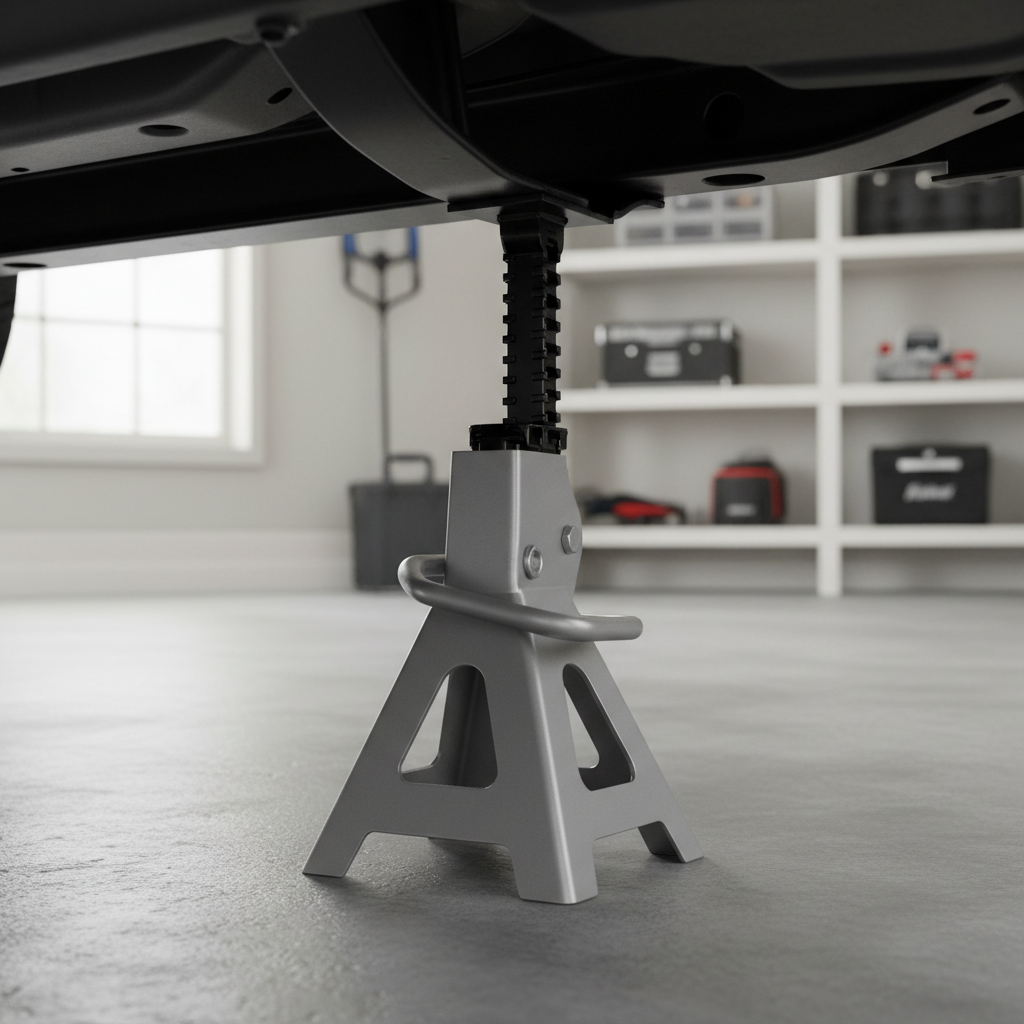
This guide helps you pick stands that match your vehicle and your habits, not just the biggest weight rating on the box. You’ll also get a quick self-check, a comparison table, and a practical setup routine that reduces common mistakes.
What “heavy duty” really means for jack stands
Heavy duty is a mix of capacity, stability, and how the stand behaves when load shifts slightly during work. A tall stand that wobbles or a strong stand with a finicky lock can still be the wrong buy.
- Rated capacity (tons): Usually listed as a pair rating in the US market. A “6-ton pair” often implies about 3 tons per stand, but always read the packaging and manual.
- Minimum and maximum height: Trucks and SUVs need higher max height, but low cars need a low minimum height so the stand can actually fit under a safe lift point.
- Base footprint: Wider bases tend to feel more planted on imperfect garage floors.
- Locking system: Ratcheting teeth, pin-lock, and double-lock designs each have tradeoffs in speed vs reassurance.
According to NHTSA, vehicle support equipment should be used as directed and owners should pay attention to recalls, especially for safety-critical garage tools.
Quick comparison table: common heavy duty jack stand types
This isn’t a “one winner” situation, it’s about matching the stand style to how you work and what you drive.
| Type | What it’s good at | Common watch-outs | Best fit for |
|---|---|---|---|
| Ratcheting (tooth) stand | Fast height changes, easy day-to-day use | Check tooth engagement and any secondary lock | Most DIY cars/SUVs, frequent use |
| Pin-lock stand | Very direct “pin-through-hole” security feel | Slower adjustments, pin retention matters | Heavier vehicles, cautious users |
| Double-lock / hybrid | Redundancy, more confidence under load | More parts to inspect, sometimes pricier | Longer jobs, frequent undercar work |
| Tall heavy-duty stand | Extra lift range for trucks | Can feel less stable if extended high | Lifted trucks, larger SUVs |
Reasons people regret their “heavy duty” jack stand purchase
Most regrets come from fit and workflow issues, not from the stand “breaking.” A few patterns show up again and again.
- Too tall at the minimum setting: Low sedans and sports cars may not have enough clearance to position the stand safely.
- Wrong saddle shape: Some saddles don’t cradle pinch welds or certain frame edges well, so the car feels sketchy even if the rating looks great.
- Overbuying tonnage, underbuying stability: A big ton rating does not automatically mean a wide, stable base.
- Ignoring floor conditions: Slightly sloped driveways, cracked concrete, or asphalt soften the base and can increase risk.
- Recalls and unknown brands: With safety gear, the brand’s ability to issue clear guidance matters.
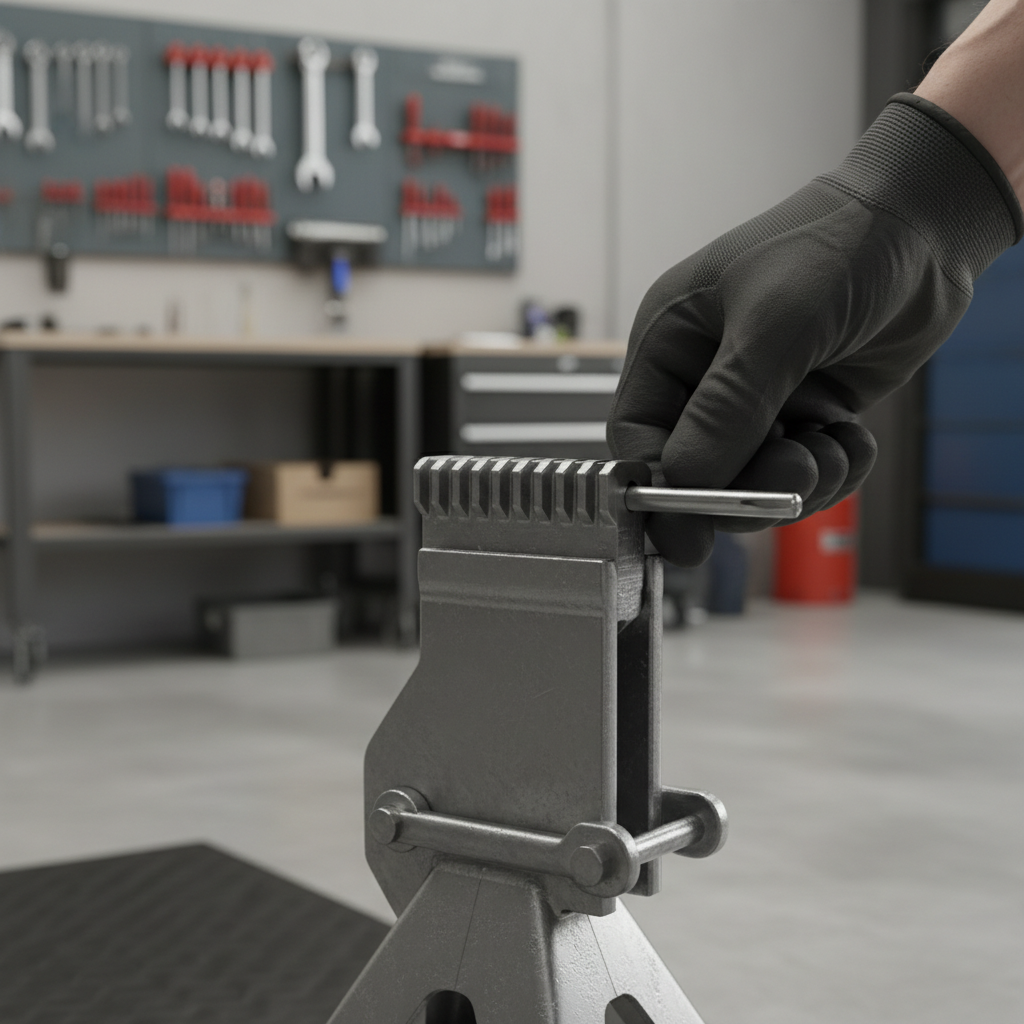
If you’re shopping for the best car jack stands heavy duty for a truck, don’t just jump to “taller” and “higher ton,” make sure the stand still sits solid at the height you’ll actually use most.
Self-check: which heavy duty jack stands should you be looking at?
Before comparing products, lock down your real needs. This takes two minutes and prevents most mismatch buys.
Vehicle and lift-point fit
- Do you lift by frame rails, axle tubes, pinch welds, or a dedicated jack point?
- Is your vehicle low enough that a stand must start very low to fit under the lift point?
- Do you need extra height to remove suspension parts, or just enough to change wheels and do brakes?
Where you work
- Flat concrete garage floor, or driveway with slope?
- Will you ever work on asphalt in summer heat?
- Do you have space for a wide base stand without kicking it while you move around?
Your tolerance for “fiddly”
- If you hate slow adjustments, a ratcheting stand may keep you consistent.
- If you want maximum reassurance, pin-lock or double-lock designs often feel more deliberate.
How to choose the best heavy duty jack stands (what to prioritize)
Product listings can be noisy, so focus on the few things that change real-world safety and usability.
- Capacity with margin: Many DIYers choose stands rated well above what they expect to support, but keep it realistic, extremely tall, high-capacity stands can be awkward on smaller vehicles.
- Lock you trust: Look for clear instructions, solid engagement, and a design that’s easy to visually confirm.
- Saddle contact: A saddle that matches your lift point reduces slipping. Some people add a purpose-made pad, but avoid makeshift wood blocks unless the manufacturer supports that setup.
- Base geometry: A wider stance tends to resist tipping when you apply torque to fasteners.
- Finish and weld quality: You’re not judging cosmetics, you’re looking for consistent welds, no sharp deformities, and clean moving parts.
Key point: if you’re comparing two “6-ton” options, the one that fits your lift points cleanly often beats the one with the flashier marketing.
Practical setup: safer lifting and supporting, step by step
This is the part many people rush. Slow down here, it pays off.
1) Prep the area and the vehicle
- Work on the flattest surface available, and keep the floor free of loose gravel or tools.
- Use wheel chocks on the opposite end from where you lift.
- Set parking brake, and follow your vehicle manual for jacking guidance.
2) Lift with a jack, support with stands
- Lift at a manufacturer-recommended jack point when possible.
- Place the stands under proper support points, then raise stands to the same height.
- Lower the vehicle slowly until it sits in the saddles, then stop and visually confirm contact.
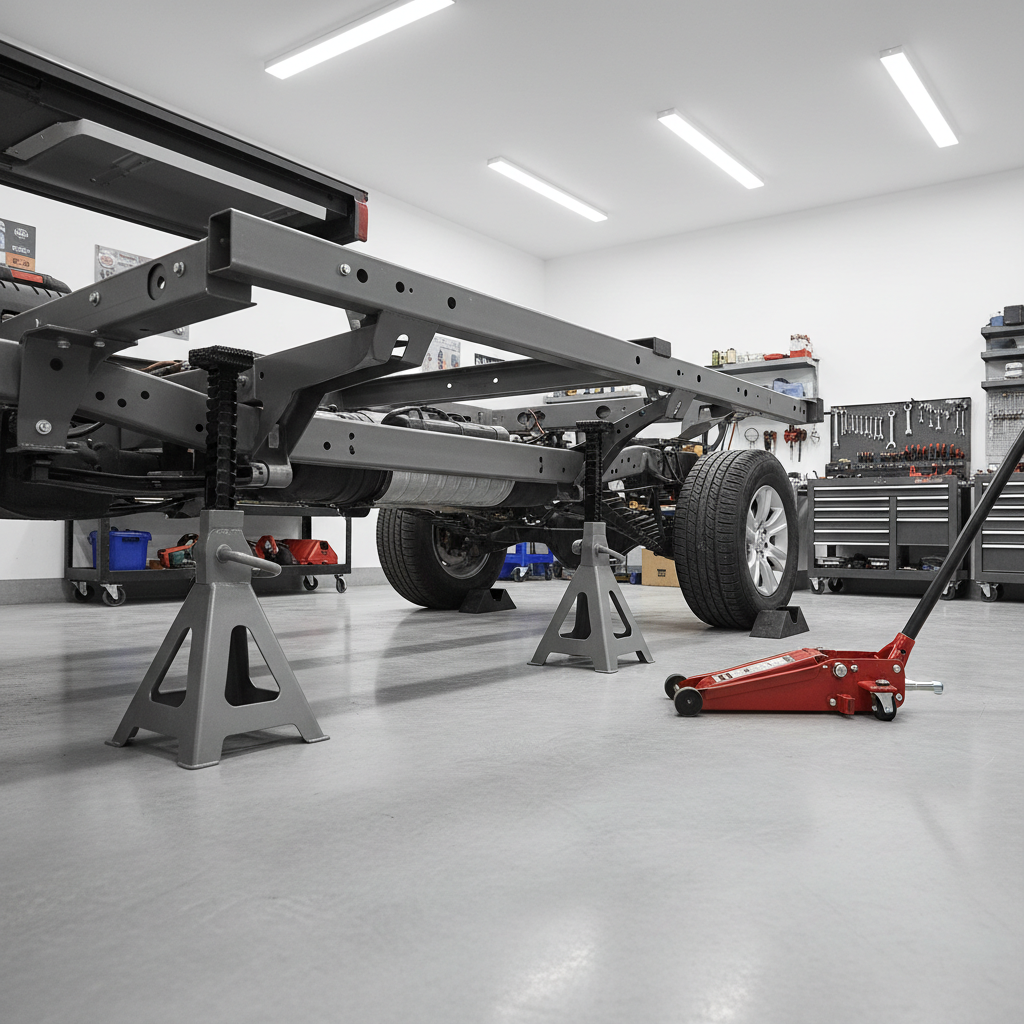
3) Do the “shake test,” then add a backup
- Gently push the vehicle to confirm stability, no rocking, no shifting.
- Many mechanics add a secondary safety measure, like keeping the floor jack lightly touching a safe point, or sliding the removed wheel under the rocker area with clearance, but your vehicle shape and job matter.
According to OSHA, using the right equipment and following safe procedures helps reduce the risk of crushing injuries in maintenance environments, DIY garages benefit from the same mindset.
Mistakes to avoid (the stuff that causes close calls)
- Using stands on a slope: Even a mild incline can encourage rolling or shifting, especially when you apply force to bolts.
- Supporting by weak points: Plastic covers, thin pinch welds without a proper saddle, or “whatever fits” points can deform or slip.
- Mixing heights: Uneven stand height increases instability and can twist the chassis.
- Buying unknown stands without recall transparency: Check manufacturer support pages and major retailer notices, especially for older inventory.
- Skipping inspection: Dirt in ratchet teeth, bent posts, or a missing pin is a stop sign, not a “probably fine.”
If you’re aiming for the best car jack stands heavy duty setup, the stand choice matters, but routine and placement matter just as much.
When to get professional help (or at least a second opinion)
If your driveway has noticeable slope, you’re lifting a very heavy vehicle, or you’re unsure about lift points, it’s smart to pause and ask a qualified mechanic or experienced technician. The cost of a quick consult is usually small compared with the risk of getting it wrong.
Also consider professional help if you see corrosion on key frame areas, or if your planned work involves heavy pulling, prying, or hammering under the vehicle, those forces can shift load in ways that surprise first-time DIYers.
Conclusion: picking heavy duty stands you’ll actually trust
The best heavy duty jack stands are the ones that fit your vehicle’s lift points, sit stable at your working height, and have a locking setup you can verify at a glance. Don’t chase tonnage alone, chase confidence and repeatable setup.
If you’re deciding today, do two quick actions: measure your needed stand height range, and confirm your lift points in the vehicle manual, then shortlist only the stands that match both.
Key takeaways:
- Choose capacity with reasonable margin, but prioritize stability and fit.
- Match saddle design to your real lift points.
- Build a repeatable routine: chock, lift, place, lower slowly, shake test, backup.
If you need a more hands-off approach, consider asking a local shop what stand style they’d use for your specific vehicle and typical jobs, you’ll often get a clearer answer than scrolling another page of listings.