
Best car antenna replacement searches usually start after one annoying moment: your favorite station turns to static, the mast snaps in a car wash, or the base starts leaking and you notice water spots near the headliner.
The good news is most antenna issues are fixable without turning your dash into a science project, but the “best” replacement depends on what you actually use, AM/FM, satellite radio, GPS, or just cellular reception for CarPlay and Android Auto streaming.
This guide breaks down the antenna styles that tend to work well in 2026, how to confirm fitment, and what to buy (and avoid) so you don’t pay twice.
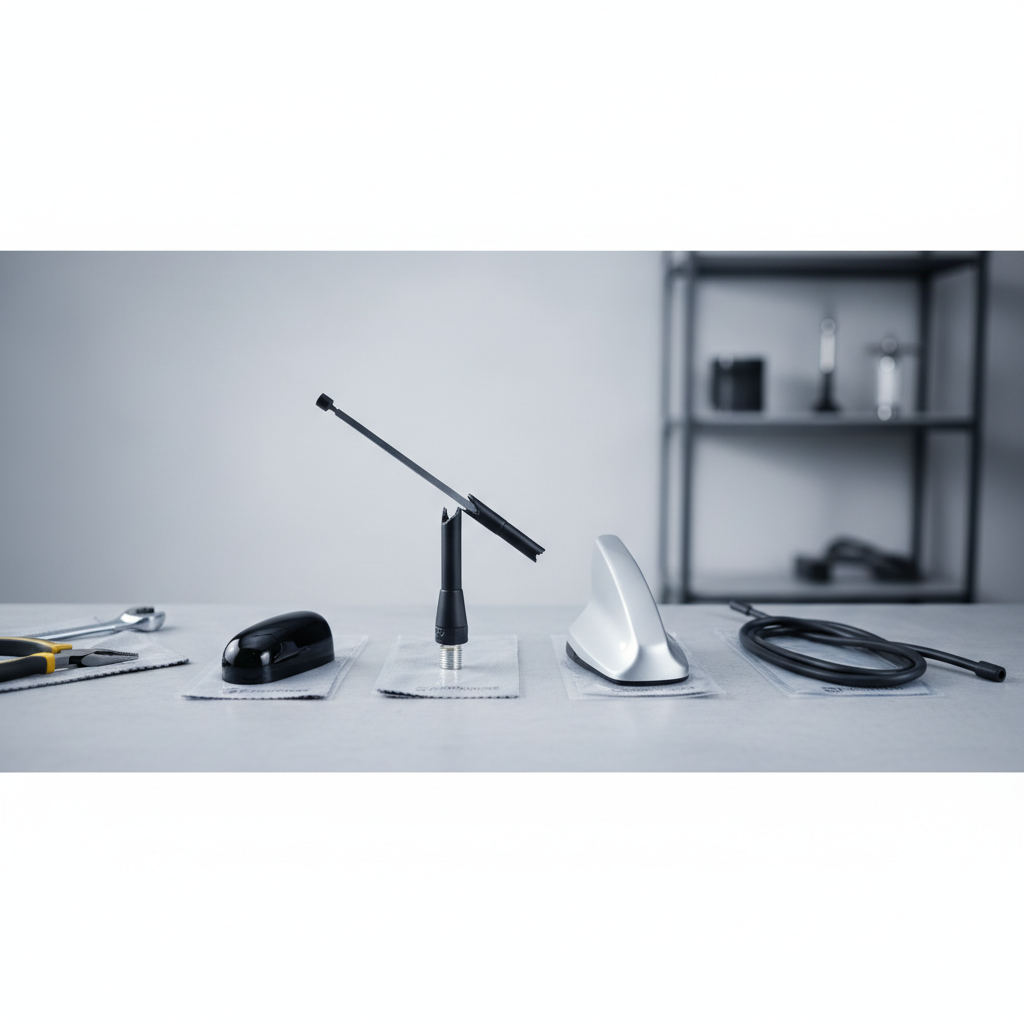
What “best” means for a replacement antenna in 2026
People often shop antennas like they’re universal upgrades, but reception is a system: antenna element length, ground plane (your roof), the amplifier (if any), and the radio tuner all matter. So the best pick is the one that matches your vehicle design and your listening habits.
- If you care about AM/FM clarity: a properly tuned mast or OEM-style roof antenna usually wins.
- If you care about looks and garages: a quality stubby can be fine, but it may trade range for style.
- If your base leaks or cracks: fixing the seal and grommet matters as much as the antenna itself.
- If your car uses a shark fin: you’re often replacing a multi-function module, not just “an antenna.”
According to the FCC, radio reception can be affected by interference sources and the local signal environment, which is why two drivers buying the same antenna can report different results in different areas.
Common reasons your antenna underperforms (it’s not always the mast)
Before buying the “best car antenna replacement” you see on a marketplace, spend two minutes diagnosing what failed. This prevents the classic mistake: replacing the visible part while the real issue sits underneath.
1) Physical damage or corrosion
- Snapped mast, stripped threads, bent whip
- Rust/corrosion at the base or connector (common in snow-belt states)
2) Roof base seal failure (water intrusion)
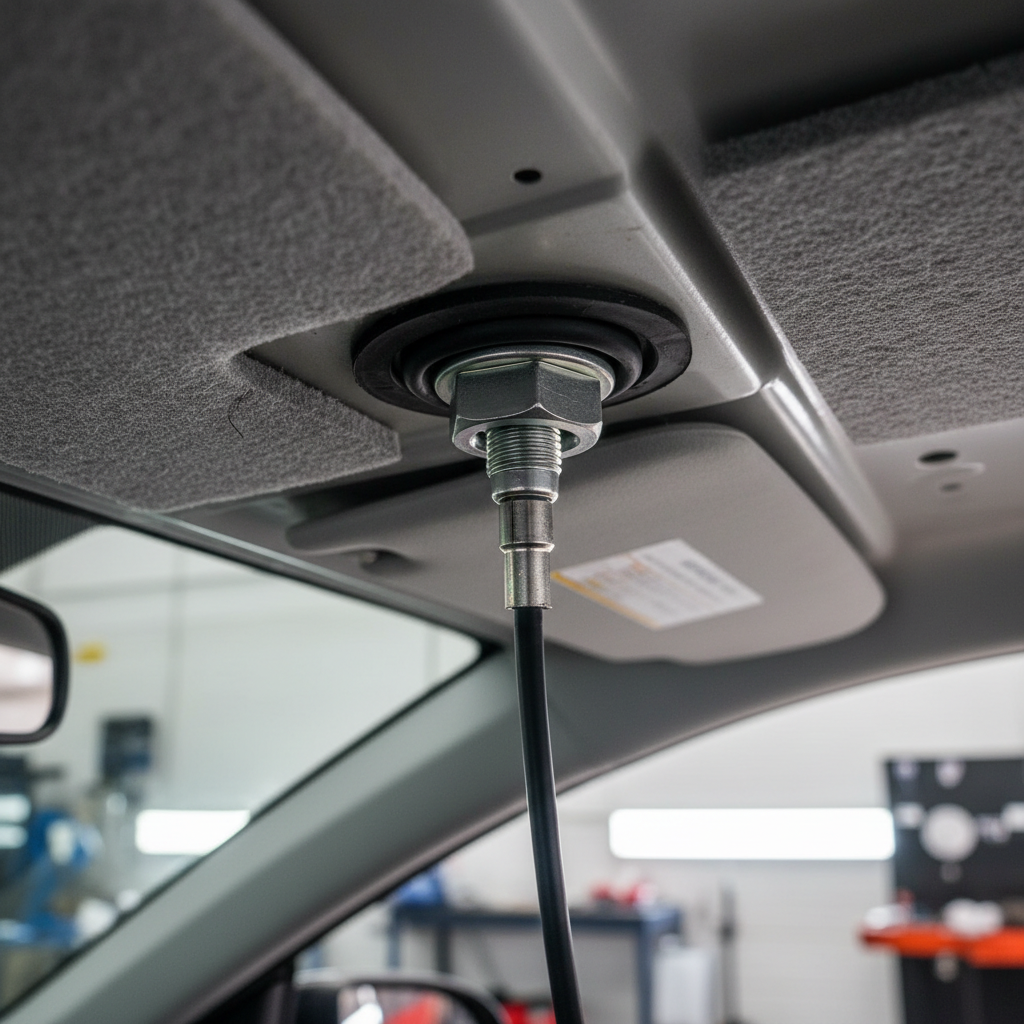
Antenna bases often have a rubber gasket. When it compresses, cracks, or is installed crooked, water can seep in. If you see headliner stains, treat this like a priority repair, not a “later” project.
3) Coax cable or connector issues
Loose coax connections and pinched cables (especially after stereo installs) can drop signal quality sharply. Sometimes the antenna is fine, the connection isn’t.
4) Wrong antenna type for your vehicle
Many modern vehicles use amplified antennas or integrated roof modules. Swapping to a passive universal part can reduce sensitivity, even if it “fits.”
Quick self-check: pick the right replacement category
If you want a fast decision, use this checklist to put yourself into the right “bucket.” Then you can shop within that bucket instead of guessing.
- Your antenna screws onto a visible threaded post: you likely need a screw-on mast (M5/M6 threads are common, but verify).
- Your antenna is a tall fixed whip from the roof/rear fender: you may need an OEM-style mast and possibly the base.
- You have a shark fin on the roof: you’re dealing with an integrated housing that may include AM/FM, satellite, GPS, LTE, or all of them.
- Reception is bad after an aftermarket head unit install: check adapter, ground, and antenna amplifier power lead before replacing parts.
- You hear static only at highway speeds: suspect a loose base, poor ground, or failing amplifier more than the mast length.
Replacement antenna types compared (with real trade-offs)
Here’s the practical comparison most buyers wish they had before ordering. Note: “works best” varies by vehicle roof design and where you drive.
| Type | Pros | Cons | Best for |
|---|---|---|---|
| OEM-style mast (factory length) | Usually strongest AM/FM reception, proper tuning | Can break in car washes, taller profile | Drivers who prioritize reception |
| Flexible rubber whip | More resistant to impacts, decent reception | May look “utility,” quality varies | Daily drivers, winter/snow regions |
| Stubby antenna (2–6 inch) | Clean look, garage-friendly, less breakage | Often reduced fringe-area reception, AM can suffer | Urban/suburban drivers, style-focused builds |
| Shark fin replacement housing | Modern look, integrated functions possible | Fitment-specific, cheap units can be cosmetic only | Vehicles originally equipped with shark fin |
| Amplified antenna (in-line or base) | Can help when signal is weak (sometimes) | Can add noise or overload, needs correct power | Some vehicles with factory amplification |
How to choose the best car antenna replacement for your vehicle
This is where most “universal” product pages get vague. These checks keep you from buying something that threads on but performs poorly.
Confirm fitment and thread size
- Look up your OEM antenna part style in your owner’s manual or a trusted parts catalog.
- Measure the threaded stud if possible, and verify whether you need an adapter.
- If you have a roof module, confirm mounting footprint and connector type.
Match the antenna to what you actually listen to
- AM talk/sports: mast length matters more, very short antennas can disappoint.
- FM music in metro areas: many stubbies feel “good enough.”
- Satellite radio: the satellite antenna is often separate or integrated into a shark fin, don’t assume a mast swap fixes it.
Decide if you’re replacing the base, too
If the base wobbles, the gasket looks crushed, or you see corrosion, replacing only the mast can be a temporary fix. In many cases, the smarter buy is a base-and-mast kit that restores sealing and grounding.

Installation steps that usually work (and where people mess up)
Most screw-on mast replacements are a 2-minute job. Base replacements can be 30–90 minutes depending on headliner access. If you feel unsure around airbags or trim clips, it may be worth paying a shop.
Screw-on mast (typical)
- Hand-unscrew the old mast, check threads for grit or rust.
- Lightly clean the threads, avoid heavy grease that attracts dirt.
- Install the new mast snug by hand, don’t over-tighten.
- Test AM/FM before you call it done.
Base replacement (general approach)
- Disconnect the battery if you’ll work near curtain airbags or wiring.
- Lower the rear headliner edge or access panel enough to reach the antenna nut.
- Unplug coax and any power connector, remove the mounting nut.
- Clean the roof surface, install the new gasket, seat the base flat.
- Tighten evenly, then water-test with a gentle hose flow.
Key point: a base that sits slightly crooked can leak or reduce reception because the ground contact becomes inconsistent.
Common mistakes to avoid (these waste time and reception)
- Buying “shark fin covers” that are cosmetic: if there’s no antenna element or proper connectors, you may only change the look.
- Assuming an amplifier fixes everything: amplifiers can boost noise too, and some factory systems already have amplification.
- Ignoring grounding: paint, corrosion, or a loose nut can weaken the ground plane and performance drops.
- Over-tightening: stripped threads and cracked housings happen more than you’d think.
- Expecting a stubby to outperform OEM on rural highways: sometimes physics wins.
When it’s time to get professional help
If reception problems continue after a sensible replacement, the issue may sit in the coax run, antenna amplifier, head unit, or even vehicle modules on some newer models. A reputable car audio shop can test signal path and continuity quickly.
Also consider professional help if you need headliner removal near airbags, or if there’s water intrusion you can’t confidently trace. Water plus wiring can turn into a bigger bill later.
Key takeaways and what to do next
If you want a safe bet, choose an OEM-style mast or a quality flexible whip, confirm thread and fitment, and replace the base when sealing or corrosion looks questionable. Stubbies can be a clean upgrade, just keep expectations realistic if you drive in fringe-signal areas.
Your next step is simple: identify your antenna type, verify fitment, then decide whether you’re optimizing for reception, durability, or looks, that choice usually reveals the best car antenna replacement for your situation.
Quick buying checklist
- Vehicle year/make/model/trim verified
- Antenna type confirmed (mast vs base vs shark fin)
- Thread/connector checked (include adapters only if needed)
- Water seal plan (new gasket if base comes off)
- Return policy (important for fitment surprises)
Conclusion
The “best” option isn’t the most expensive antenna on a list, it’s the one that matches your factory setup and the way you use radio. Fix the mechanical problem first, confirm fit, then choose the style that fits your priorities, and you’ll usually get your signal back without drama.