
how to fix car ac blowing air but not cold starts with a simple truth: your AC can move plenty of air and still fail to remove heat, because cooling depends on refrigerant pressure, a working compressor, and steady airflow across clean heat exchangers.
If you’re in the U.S. and it’s 90°F outside, this problem feels urgent fast, but rushing into a “recharge kit” without a quick diagnosis often turns a small issue into an expensive one. The goal is to figure out whether you have a refrigerant problem, a control/electrical problem, or an airflow/heat-transfer problem.
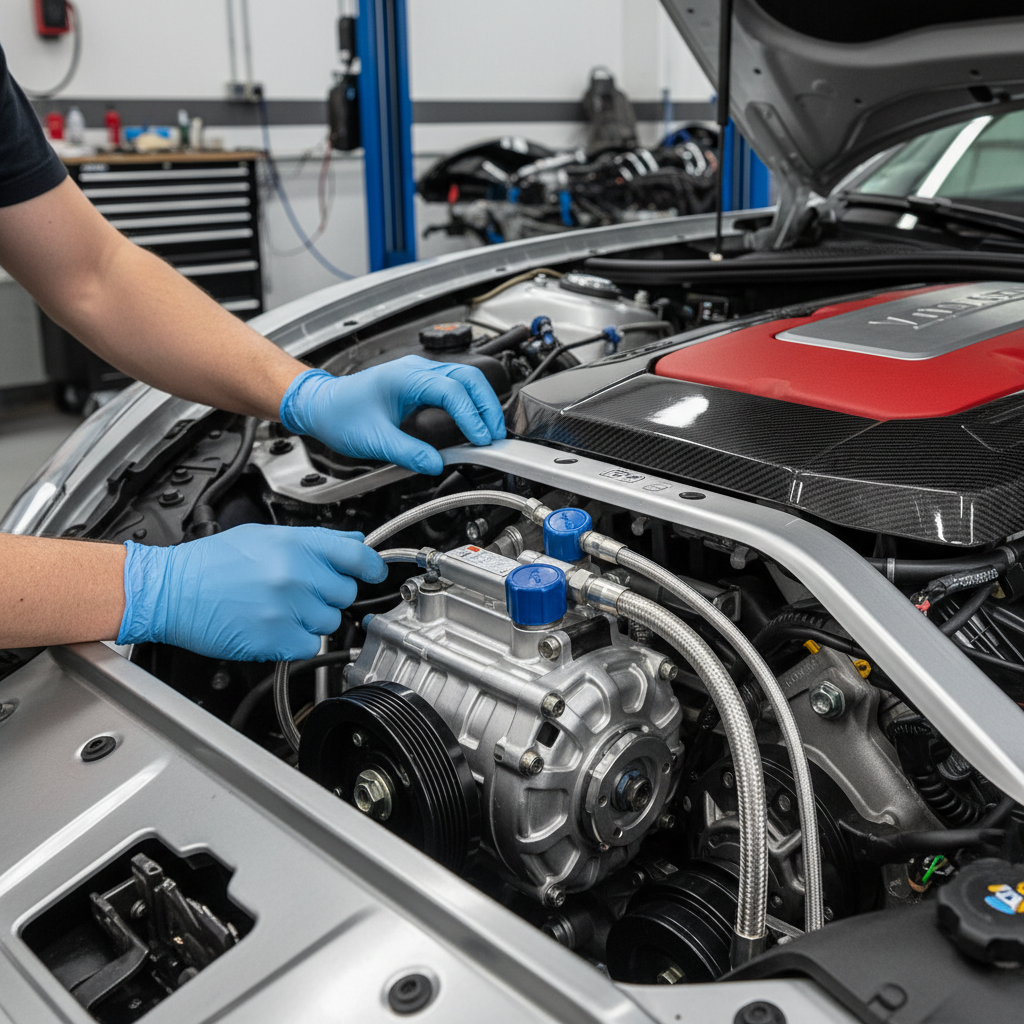
This guide walks you through the most common causes, a quick self-check list, and practical next steps. You’ll also see when it’s smarter (and safer) to stop and let a shop handle refrigerant work or electrical diagnosis.
What “blowing but not cold” usually means (and why it happens)
When the cabin fan works but the air stays warm, the failure usually sits in one of three buckets: refrigerant loop (pressure/leaks), compression/control (compressor not engaging or weak), or airflow/heat exchange (air can’t move heat off the evaporator/condenser).
- Low refrigerant from a slow leak is common. The system still runs the blower, but the evaporator can’t get cold enough.
- Compressor not engaging (bad clutch, relay, pressure switch, wiring, or control module) means no compression, so no cooling.
- Condenser airflow problems (bad radiator fan, debris blocking the condenser) prevent heat from leaving the refrigerant, so it never cools down properly.
- Blend door issues can mix hot air from the heater core into the vents, even if the AC is actually cold.
- Restricted expansion valve/orifice tube can create odd pressures and weak cooling that comes and goes.
According to U.S. Environmental Protection Agency (EPA) guidance, refrigerants must be handled properly and venting refrigerant is prohibited, so leak repair and recovery often belong with certified technicians.
Quick self-check: identify your likely cause in 10 minutes
Before buying anything, do this quick check. It won’t replace proper gauges, but it narrows your next move.
Step-by-step checks (parked, engine running)
- Set AC to MAX/LO, recirculation ON, fan medium, windows up.
- Check vent temperature feel: cool-ish at speed but warm at idle hints at condenser fan/airflow issues.
- Look at the compressor clutch: does it click on and spin with the pulley? If it never engages, suspect electrical/control or low-pressure lockout.
- Check both radiator fans (many cars use electric fans): when AC is ON, at least one fan often should run. If none run, cooling will suffer.
- Inspect the cabin air filter: if airflow from vents is weak or musty, the filter may be clogged.
- Feel the AC lines carefully (avoid belts/fans): the larger low-side line near the firewall should get cool and may sweat. If both lines stay warm, suspect compressor or refrigerant issues.

If you want a fast “what does this point to?” view, use the table below.
Symptom-to-cause table (what your car is telling you)
| What you notice | Most likely causes | Good next step |
|---|---|---|
| Cold at highway speed, warm at idle | Condenser fan not running, condenser blocked, overheating | Verify fans with AC on, check for debris, check coolant temps |
| Compressor clutch never engages | Low refrigerant (pressure switch), bad relay/fuse, clutch issue | Check fuses/relays, scan for HVAC codes if available, shop test pressures |
| Airflow strong but always warm | No refrigerant, compressor failure, blend door stuck on heat | Check line temps, listen for compressor, consider professional diagnosis |
| Airflow weak plus musty smell | Clogged cabin filter, dirty evaporator, blower issue | Replace cabin filter, inspect blower, consider evaporator cleaning |
| Cooling comes and goes, sometimes icy | Low charge, restriction at expansion valve/orifice tube, sensor issue | Stop “topping off,” have system evacuated and diagnosed with gauges |
DIY fixes that are actually worth trying (low risk)
Some fixes are safe, cheap, and genuinely effective. They won’t solve every case, but they’re the right first moves.
1) Replace the cabin air filter
A clogged cabin filter reduces airflow across the evaporator, so even a healthy system feels weak. Many vehicles place it behind the glovebox, and the job often takes 10–20 minutes.
- Pick the correct filter (some are directional with an airflow arrow).
- If the old one has leaves/dust packed in, you may notice immediate improvement.
2) Clean the condenser face (gently)
The condenser sits in front of the radiator. Bugs, dirt, and road debris act like a blanket.
- With the engine off and cool, use low-pressure water to rinse from the back side if accessible.
- Avoid bending fins; they’re easy to damage.
3) Verify cooling fans run with AC on
If fans don’t run, head pressure rises and vent temps climb, especially in traffic.
- Check related fuses and relays in the under-hood box.
- If a fan is dead, fix that first before assuming refrigerant problems.
4) Confirm the system isn’t accidentally heating the air
Some cars blend hot and cold air with an actuator-driven door. If it sticks on “warm,” you’ll feel heat even when AC is requested.
- Toggle temperature from LO to HI and listen for door movement behind the dash.
- If the sound is missing or you hear clicking, an actuator may be failing.
Refrigerant and leak issues: where most people go wrong
When people search how to fix car ac blowing air but not cold, they often assume “just add refrigerant.” Sometimes that helps short-term, but many cases involve a leak, and adding refrigerant without fixing the leak is usually temporary.
What low refrigerant typically looks like
- AC cools a bit at first, then fades over weeks or months
- Compressor cycles rapidly (on/off frequently)
- One line is only mildly cool, not cold and sweaty
Why DIY recharge kits can backfire
- Incorrect charge amount can reduce performance or stress the compressor.
- Wrong diagnosis: a bad fan or blend door won’t be fixed by refrigerant.
- Sealants found in some cans may contaminate recovery equipment, and many shops dislike dealing with it.
According to SAE International industry standards (commonly referenced for automotive AC service practices), correct servicing depends on proper equipment and procedures like recovery and precise charging by weight, which typical consumer cans can’t replicate well.
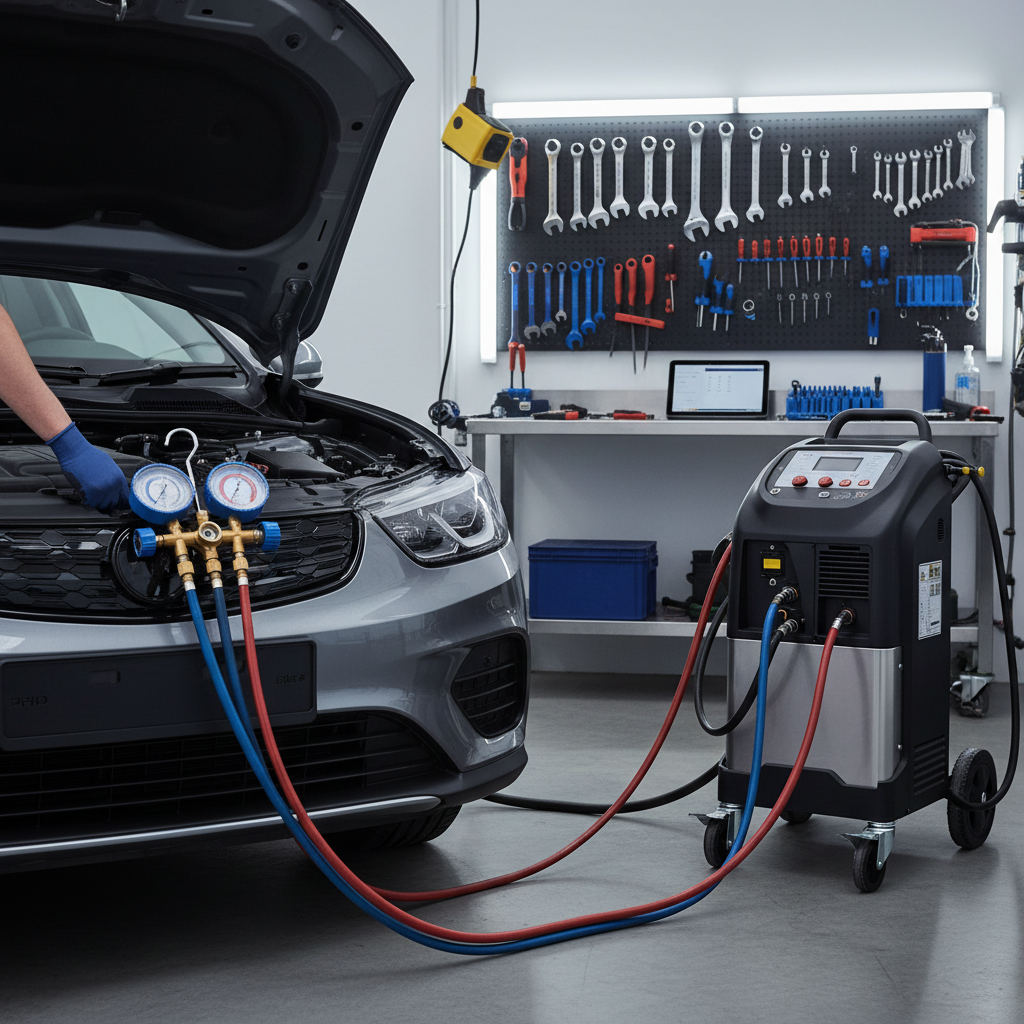
If you suspect low charge, a better path is leak detection (UV dye, electronic sniffer, or nitrogen pressure test) and then a proper evacuation and recharge. That’s usually a shop job, but it saves money compared with repeated “top-offs.”
Compressor, clutch, and electrical faults: practical checks
If the compressor never kicks on, you can still do a few sanity checks before booking service. Just keep safety in mind around belts and fans.
Things you can check without specialty tools
- Fuses and relays: a blown AC clutch fuse or failed relay can stop engagement.
- AC request indicator: on some vehicles, the AC light will flash if the system disables itself due to pressure or a fault.
- OBD-II scan: some cars store HVAC-related codes; a basic scanner may or may not show them, depending on the vehicle.
Clutch engages but still not cold
If you see the clutch engage and stay engaged, yet vent air stays warm, the compressor may be weak internally, or the system may have a restriction. This is where gauge readings matter, because pressures tell the story.
According to National Highway Traffic Safety Administration (NHTSA) general vehicle safety guidance, if you’re unsure around running engines and moving components, it’s safer to have a qualified technician inspect the vehicle.
Hands-on troubleshooting flow (do this in order)
This is the cleanest way to approach how to fix car ac blowing air but not cold without wasting time.
- Step 1: Airflow basics — cabin filter, vent mode, recirc, blower strength.
- Step 2: Heat rejection — condenser clear, fans run, engine not overheating.
- Step 3: Compressor engagement — clutch behavior, fuses/relays, obvious connector issues.
- Step 4: Decide DIY vs shop — if you suspect refrigerant/leak/restriction, plan for professional service.
Key point: If you only do one thing today, verify the condenser fan operation and the cabin filter. Those two are common, cheap, and they don’t introduce new problems.
When to stop DIY and get professional AC service
Some problems are hard to solve correctly without recovery equipment, gauges, and experience. In many cases, paying for a proper diagnostic saves money because you avoid guessing.
- Oily residue near AC hose fittings or the condenser, which can indicate a refrigerant leak
- Hissing after shutdown or rapidly cycling compressor behavior
- Compressor noise (grinding/squealing) or burning smell, stop running AC and get help
- Repeated recharges every season, this usually means an unresolved leak
- Modern systems (R-1234yf) where service is more specialized and DIY options are limited
If a shop quotes you, ask what they’re doing: leak test method, whether they evacuate and recharge by weight, and whether they’ll replace the receiver-drier/accumulator when components are opened. A good answer sounds specific, not vague.
Conclusion: a realistic path to cold air again
Fixing an AC system that blows air but not cold is usually about choosing the right branch: airflow and fans are the easy wins, while refrigerant leaks and compressor problems need proper testing. If you follow the quick checks, you can walk into a shop with clarity and avoid paying for random parts.
If you want an action plan, do two things: confirm condenser fans run with AC on and replace the cabin air filter. If cooling still fails, treat it as a diagnosis problem, not a “just add refrigerant” problem.
FAQ
Why is my car AC blowing but not cold after I recharged it?
Many times the system is low because of a leak, so the cooling returns briefly and then fades. Overcharging can also reduce performance. A shop can verify charge by weight and check for leaks instead of guessing.
Can low refrigerant cause the compressor not to turn on?
Yes, many vehicles use a low-pressure switch to prevent compressor operation when charge is too low. It’s a protection feature, but it also means “no clutch engagement” doesn’t automatically equal a bad compressor.
How do I know if the condenser fan is the problem?
If the AC cools better while driving but gets warm in traffic, that pattern often points to poor airflow through the condenser. With the AC on, see whether the fan runs and whether the condenser face is blocked by debris.
What’s the difference between a blend door issue and an AC refrigerant issue?
Blend door problems often feel like the car can’t decide between heat and cool, and changing the temperature setting may not change the outlet temp correctly. Refrigerant issues tend to produce consistently weak cooling, sometimes with compressor cycling.
Is it safe to use a DIY AC recharge kit?
It can be risky because you may mischarge the system or miss a leak, and some products include sealants that complicate professional service. If you do attempt it, follow product instructions closely and consider professional diagnosis if results are unclear.
Why does my AC get cold only on one side?
That can happen with dual-zone blend door/actuator faults, or occasionally with low charge affecting evaporator temperature distribution. Diagnosis varies by vehicle, so a scan of HVAC codes and actuator testing may be needed.
What should vent temperature be on a healthy AC system?
It varies by humidity, outside temperature, and vehicle design, so there isn’t one universal number. In many conditions you should feel a clear drop from ambient, and the air should become noticeably cooler after a few minutes on recirculation.
If you’re trying to decide what to do next and want a more straightforward path, consider booking an AC diagnostic focused on fan operation, pressure readings, and leak checking, it’s usually the quickest way to avoid buying parts you don’t need.