
Best car air filters for cold air intake choices come down to a trade-off you can actually feel: airflow for throttle response versus filtration that keeps dirt out of your engine. A “better” filter is not always the one that flows the most air on paper, it’s the one that fits your intake, seals well, and matches how and where you drive.
If you’ve installed a cold air intake and the car feels a little sharper, it’s tempting to chase the most aggressive filter you can buy. But real-world performance often gets limited by heat soak, tuning, MAF sensor behavior, and even a small air leak at the coupler, not just the filter media.
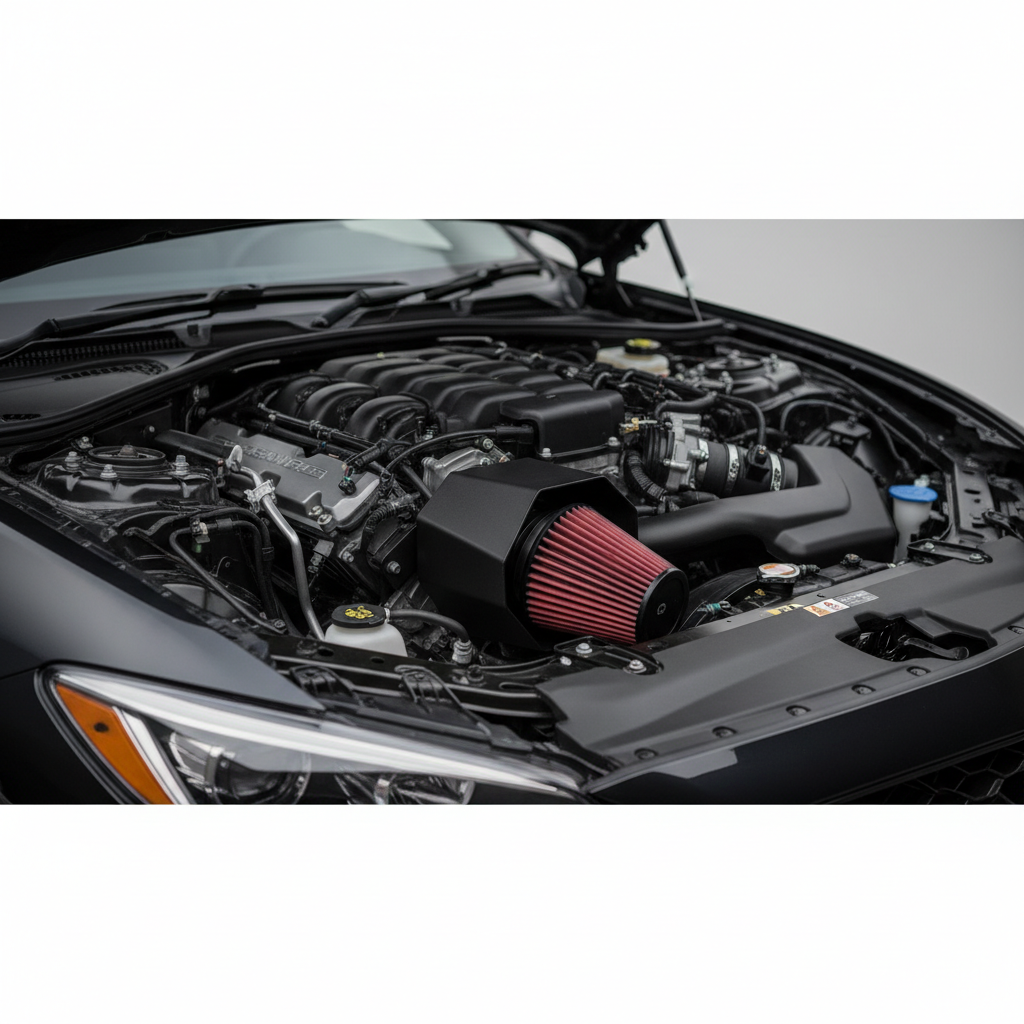
This guide breaks down what matters when shopping for filters, how to choose between dry and oiled styles, what specs to check so you don’t buy a “universal” filter that fits poorly, and a simple decision checklist. You’ll also get practical maintenance tips, because a clogged or over-oiled filter can erase the gains you’re chasing.
What “performance” means for a cold air intake (and what it doesn’t)
On most street cars, the filter’s job is to supply stable airflow with minimal restriction while still filtering fine dust. If you’re expecting a dramatic horsepower jump from only swapping the filter, that’s where expectations usually get messy.
- What you might notice: quicker throttle response, a bit more induction sound, smoother pull at higher RPM if the old filter was restrictive.
- What you might not notice: big peak power gains without supporting changes (tune, heat management, intake design, exhaust, etc.).
- What can get worse: drivability issues if the MAF sensor sees turbulent airflow, or if the filter gets contaminated and airflow becomes inconsistent.
According to SAE International... engine air filtration and intake design affect both airflow and contamination control, and those two goals often compete. In plain terms, if a filter flows “too freely” by sacrificing filtration, the long-term cost can outweigh any short-term feel.
Filter types that show up on cold air intakes (dry vs oiled vs foam)
Most cold air intake systems use a cone or tapered cone filter, and the big fork in the road is dry synthetic media versus oiled cotton gauze. Foam exists too, more common in off-road circles.
Dry synthetic (no oil)
- Why people like it: simple maintenance, less risk of oil affecting a MAF sensor.
- Where it shines: daily drivers, commuters, cars with sensitive MAF setups.
- Watch-outs: cleaning method matters; aggressive compressed air can damage media on some designs.
Oiled cotton gauze
- Why people like it: high airflow potential, widely available, lots of intake kits ship with this style.
- Where it shines: performance builds where you’re committed to proper service intervals.
- Watch-outs: over-oiling can contaminate the MAF sensor on many vehicles, causing rough idle or codes.
Foam (often oiled)
- Why people use it: good dust capacity in dirty environments when properly maintained.
- Where it shines: dusty roads, off-road, rally-style use.
- Watch-outs: quality varies a lot; sealing and cage support become important.
How to choose: the specs that matter more than the brand name
If you’re comparing the best car air filters for cold air intake across brands, focus on fit and design details you can verify. A high-end filter that fits poorly is still a bad filter.
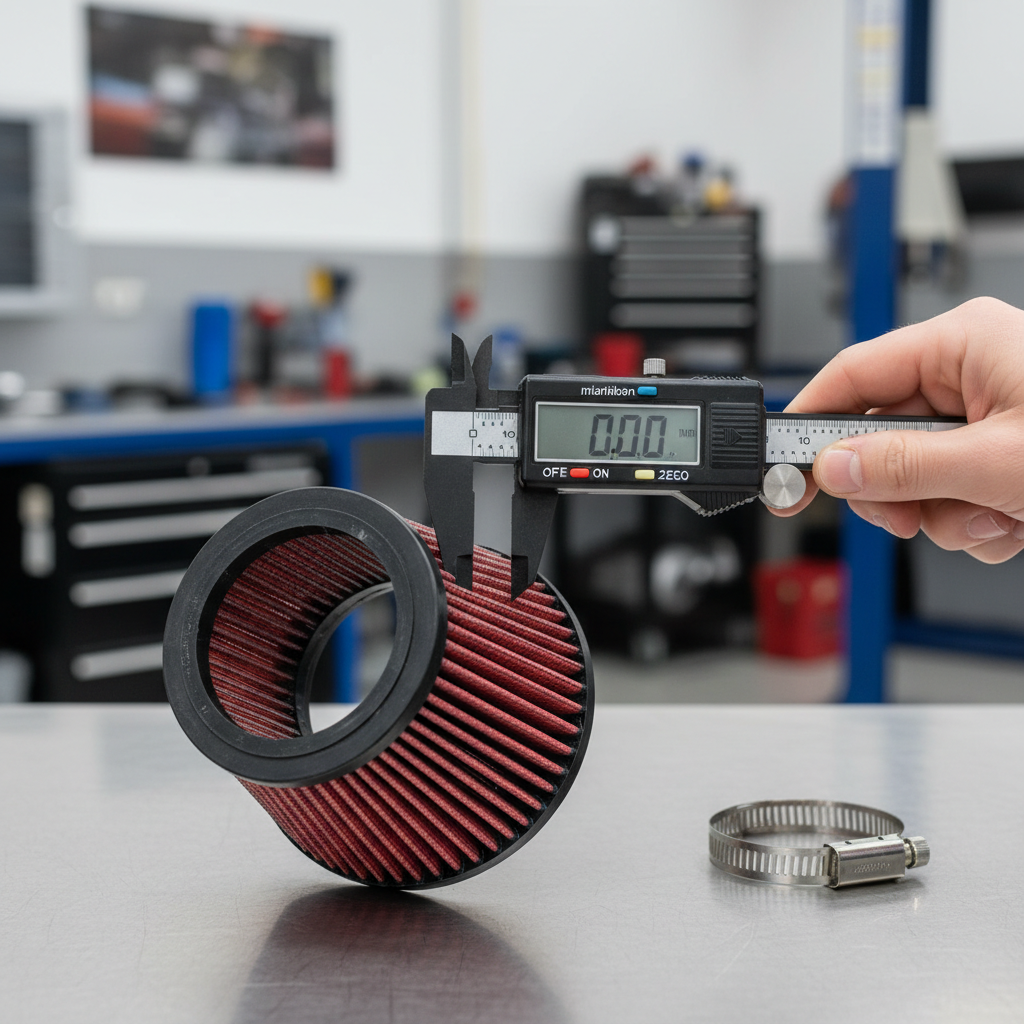
- Inlet diameter: must match your intake tube (common sizes include 2.5", 3", 3.5"). If it’s “close enough,” it often isn’t.
- Filter length and base diameter: longer and larger usually means more surface area, which helps flow and dirt capacity.
- Flange length: too short can slip, too long can bottom out on a bend or MAF housing.
- End cap style: rubber end caps tend to seal well and resist vibration; some metal caps are fine but can transmit heat.
- Internal support cage: helps prevent collapse at high airflow and keeps media from deforming.
- Sealing quality: the clamp and the flange should create even pressure; uneven clamping is a sneaky dust-leak cause.
Quick rule: if your intake sits low in the bumper area, prioritize a filter with strong construction and consider a pre-filter wrap, because splash and grit can load the media fast.
Comparison table: what to pick for your driving scenario
Rather than naming “the one best” option for everyone, here’s a practical way to narrow down the best car air filters for cold air intake based on how you use the car.
| Scenario | Best-fit filter style | Why it works | What to avoid |
|---|---|---|---|
| Daily driving, mostly paved roads | Dry synthetic | Low hassle, stable MAF behavior, easy service | Overpaying for “race” claims without better fit |
| Street + occasional spirited runs | High-quality dry or properly oiled gauze | Good balance of response and filtration | Skipping cleaning intervals until it feels slow |
| Track days / tuned setup | Oiled gauze (disciplined maintenance) | Can support higher airflow demand | Over-oiling, poor clamp seal, heat-soak issues |
| Dusty areas, gravel roads | Foam or dry + pre-filter wrap | Better dirt capacity when serviced correctly | Running a loaded filter “because it still looks fine” |
| Low-mounted intake near splash zones | Dry + pre-filter, strong cage | Helps manage moisture and debris loading | No hydrolock safeguards; ignoring water risk |
Self-check: are you actually limited by the filter?
Before buying another cone filter, do this quick reality check. It saves money, and it often finds the real issue faster.
- Any gaps or loose clamps? A small leak after the MAF can cause weird fueling and make the car feel “off.”
- Filter looks gray and heavy? Loaded media can reduce flow more than you expect, especially after dusty weeks.
- MAF sensor dirty? If your setup uses a MAF, contamination can lead to hesitation or check-engine lights.
- Heat shield or ducting missing? Hot underhood air can blunt gains; the filter can’t fix that.
- Any recent mods? Exhaust, tune, or MAF housing changes can alter what the engine “wants” from the intake.
According to U.S. Environmental Protection Agency (EPA)... vehicle emissions systems and sensors rely on correct airflow and fueling control, so modifications that disrupt sensor readings may affect drivability and emissions compliance. If you’re in a strict inspection area, it’s worth factoring that in before you chase marginal airflow.
Practical steps: installing, sealing, and maintaining for real gains
Buying the right part matters, but the boring steps are where performance gets protected. This is the part most people rush.
Installation and sealing checklist
- Clean the intake tube lip so the flange can grip evenly.
- Seat the filter straight, then tighten the clamp until snug, not crushed.
- Make sure the filter doesn’t rub on body panels or wiring looms.
- Confirm the heat shield seals against the hood or fender liner if designed to.
Cleaning intervals (street-friendly guidance)
- Dry filters: often you can tap out debris and follow the maker’s instructions for washing or reconditioning.
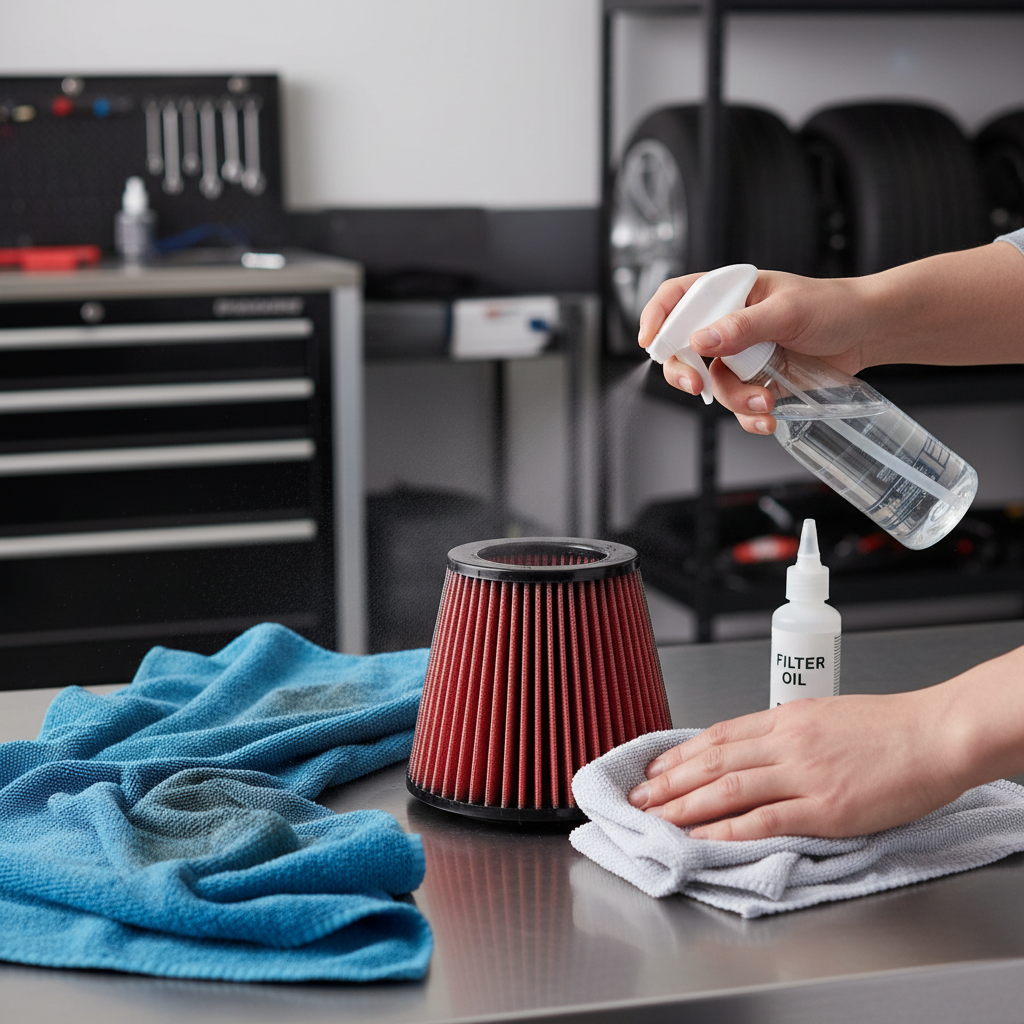
- Oiled filters: clean, fully dry, then apply oil sparingly and evenly; let it wick before driving.
If you’re not sure how often to clean, use the filter’s condition as the cue rather than a hard mileage number. Dusty commutes, construction zones, and low-mounted intakes can shorten intervals a lot.
Key takeaways if you want results you can feel
- Fit and seal usually beat “highest flow” marketing.
- If your car uses a MAF sensor, a dry filter can be the calmer choice.
- More surface area often means more consistent performance between cleanings.
- Heat management (shielding, ducting) can matter as much as the filter.
Common mistakes that quietly hurt performance
- Over-oiling an oiled filter: it can foul a MAF sensor and create drivability problems that feel like “lost power.”
- Buying universal sizes without measuring: a tiny gap at the flange can pull unfiltered air.
- Ignoring water risk with low intakes: deep water ingestion can damage an engine; if you drive through floods, talk to a qualified shop about safer routing.
- Cleaning too aggressively: harsh brushes or high-pressure air can damage media, reducing filtration.
- Chasing sound instead of temps: a loud intake that breathes hot air can feel fun but not faster.
Conclusion: picking the right filter without overthinking it
The best choice is the one that matches your intake size, seals reliably, and fits your maintenance habits. If you want a low-drama setup, a quality dry synthetic cone filter plus good heat shielding is a solid baseline for many street cars. If you’re committed to careful service and your setup supports it, an oiled filter can work well too, just treat oiling like a measured step, not a vibe.
If you’re shopping today, measure your inlet diameter, prioritize surface area, and decide whether your vehicle’s sensor setup and your patience level point you toward dry or oiled media. That’s usually the shortest path to a cold air intake that stays consistent week after week.
FAQ
What are the best car air filters for cold air intake on a daily driver?
For many daily drivers, a dry synthetic cone filter is the easiest win because it’s straightforward to maintain and tends to avoid MAF-related issues. The “best” one is the correct size with good sealing and enough surface area to stay clean longer.
Will a higher-flow filter always make my cold air intake faster?
Not always. Many setups get limited by intake air temperature, sensor calibration, or leaks. A slightly more restrictive filter that seals well and stays consistent can outperform a higher-flow option that loads quickly or causes turbulence.
Are oiled air filters safe for MAF sensors?
They can be, but the risk usually comes from over-oiling or not letting the oil wick into the media before driving. If your car is sensitive or you’ve had MAF issues before, a dry filter is often the safer pick.
How do I know what cone filter size I need?
Measure the intake tube’s outer diameter where the filter clamps on, then match the filter’s inlet diameter to that number. Also check flange length and overall length so it doesn’t hit the bodywork or sit crooked.
How often should I clean a cold air intake filter?
It depends on dust and placement. If you drive in construction zones, desert climates, or your intake sits low, the filter may need attention more often. Use visual condition and performance consistency as your guide, and follow the manufacturer’s procedure.
Do pre-filter wraps help performance?
They can help maintain performance by keeping big debris off the main media, especially in dusty conditions. Some wraps may add slight restriction, so it’s a balance, but for many real-world environments the consistency is worth it.
Can a cold air intake filter cause a check engine light?
Yes, in some cases. Poor sealing, turbulence near the MAF, or oil contamination can trigger drivability problems or codes. If a light appears after a change, re-check fitment and consider consulting a qualified technician.
If you want a lower-hassle way to narrow it down, bring your intake tube size, sensor type (MAF or MAP), and where the filter sits in the bay to a reputable performance shop or parts specialist, they can usually point you to a filter that fits right and matches how you actually drive.