
How to remove dust from car ac vents usually comes down to two things: cleaning what you can reach, and stopping the dust that keeps coming back (often the cabin air filter). If you only wipe the vent slats, it may look better for a week, then the gray film returns as soon as you run the fan.
This matters more than people think because dusty vents can mean dusty air inside the cabin, weaker airflow, and musty smells that make every drive feel “off.” In some cases, it’s also a clue that your filter is overdue or that debris is sitting in the HVAC housing.
I’ll walk you through quick checks, the safest tools to use, a practical cleaning process, and when it’s smarter to let a shop handle it.
Why dust keeps coming out of your AC vents
If dust seems endless, it’s rarely because you “didn’t wipe hard enough.” It’s usually a repeat source upstream of the vent openings.
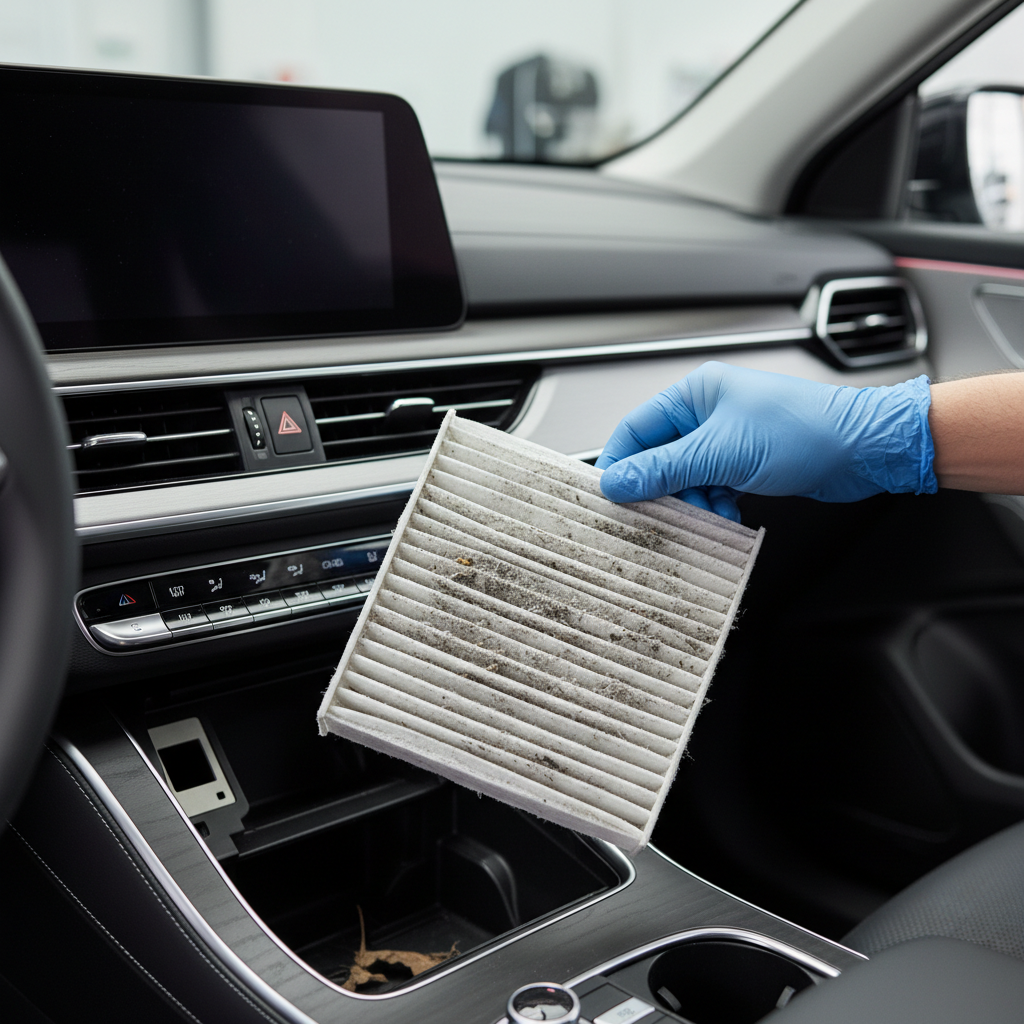
- Clogged or low-quality cabin air filter: A saturated filter can bypass dust, and some cheaper filters don’t trap fine particles as well.
- Debris in the cowl intake: Leaves and road grit can enter through the fresh-air intake near the windshield.
- Dust already in the ductwork: Past neglect or a previous dirty filter can leave residue that sheds for a while.
- Recirculation vs. fresh air habits: Constant fresh-air mode in dusty environments can load the filter fast.
- Interior dust sources: Pet hair, fabric lint, and tracked-in dirt get stirred up and re-deposited on vent fins.
According to EPA, improving filtration and reducing particle sources are common ways to reduce airborne particulates indoors; the same logic applies to a vehicle cabin where air is continuously cycled through a filter.
Quick self-check: what kind of “vent dust” are you dealing with?
Before you start spraying anything, take 2 minutes to figure out what’s most likely going on. This prevents the classic mistake: cleaning vents perfectly while ignoring the real source.
- Dust appears immediately when the fan turns on: likely loose debris in ducts or near the blower/fan housing.
- Dust film builds slowly over days: often normal cabin dust plus weak filtration.
- Musty smell + dust: could be moisture on the evaporator core; cleaning may help, but persistent odor can need professional service.
- Visible leaves/crumbs inside vent slots: you can usually extract this safely with vacuum + brush.
- All vents blow weakly: filter or blower restriction is more likely than “dusty vent slats.”
One more tell: if you don’t remember the last time the cabin filter was changed, assume it’s due and start there.
Tools and supplies that work (and what to avoid)
You don’t need specialty gadgets, but you do want the right combination so you remove dust instead of blasting it deeper into the HVAC.
Recommended tools
- Vacuum with a crevice tool (shop vac is great, a strong handheld can work)
- Soft detailing brush or clean paintbrush to agitate dust
- Microfiber towels
- Foam swabs or cotton swabs for tight louvers
- Optional: compressed air (used carefully), plastic trim tool, mild interior cleaner
Things to avoid in most cases
- Soaking vents with liquid cleaner: overspray can run into electronics or leave residue that attracts more dust.
- Hard bristle brushes: they can scratch soft plastics and leave vents looking worse.
- Household fragrances sprayed into vents: they often mask smells briefly, then mix with mustiness.
Step-by-step: how to remove dust from car AC vents (safe method)
This process aims to pull dust out, not push it deeper. Set aside 20–40 minutes the first time.
1) Start with the cabin air filter (don’t skip)
Check your owner’s manual for location, often behind the glove box. If the filter looks dark, warped, or packed with debris, replace it. Many situations where people Google how to remove dust from car ac vents are really “my filter is shot.”
- Choose the correct size and airflow direction (arrow on the filter frame).
- If allergies or wildfire smoke are a concern, a higher-efficiency or activated carbon cabin filter may help, but it can slightly reduce airflow in some vehicles.
2) Vacuum first, brush second
Turn the vehicle off. Insert the crevice tool near the vent opening, then use the soft brush to loosen dust from the slats while the vacuum is running. You’re essentially “catching” what you dislodge.
3) Use a damp microfiber for final wipe
Lightly dampen a microfiber towel (water or a very mild interior cleaner on the towel, not sprayed into the vent). Wrap it around a thin plastic trim tool or your finger to wipe between louvers.
4) If you use compressed air, do it strategically
Compressed air can help, but it can also redistribute dust across the dash if you blast straight in.
- Set airflow to fresh air (not recirc), fan off while you blow out visible dust at the vent face.
- Keep the vacuum at the vent opening as you use short bursts of air.
5) Run the fan to clear loosened particles
After cleaning, start the car, set fan to medium, and toggle between fresh air and recirc for a minute. If you see a puff of dust once, that’s normal. If it keeps happening, you likely have debris deeper in the ductwork or near the blower.

What to do if dust is coming from deeper inside (not just on the slats)
If you’ve replaced the cabin filter and the vent faces are clean, but dust still blows out, focus upstream.
Clean the cowl intake area
Open the hood and look near the base of the windshield where outside air enters. Remove leaves and debris by hand or with a vacuum. If the cowl drain area stays clogged, moisture and debris can linger and cause recurring issues.
Check for signs of blower-area debris
Rattling, ticking, or “paper flutter” noises when the fan runs often point to a leaf or debris near the blower fan. Access varies by vehicle. If it’s not obvious and easy to reach, it’s reasonable to stop before breaking trim clips.
Consider an HVAC foam cleaner only when appropriate
Some products are designed to clean evaporator surfaces and reduce odor. They can help in certain cases, but they’re not a universal fix for dust, and misuse can create a bigger mess. If odor is strong or you suspect mold, it may be safer to consult a professional.
According to CDC, mold exposure can aggravate respiratory symptoms in some people; if anyone in the car has asthma or sensitivities, avoid aggressive DIY chemical treatments and get qualified help.
Maintenance plan: keep vents clean longer
Once you do a proper reset, keeping it that way is mostly about simple habits. This is the part that saves you from re-searching how to remove dust from car ac vents every month.
- Replace the cabin air filter on schedule: interval varies by vehicle and driving environment, check your manual.
- Vacuum the cabin regularly: especially footwells and seats where dust gets kicked up.
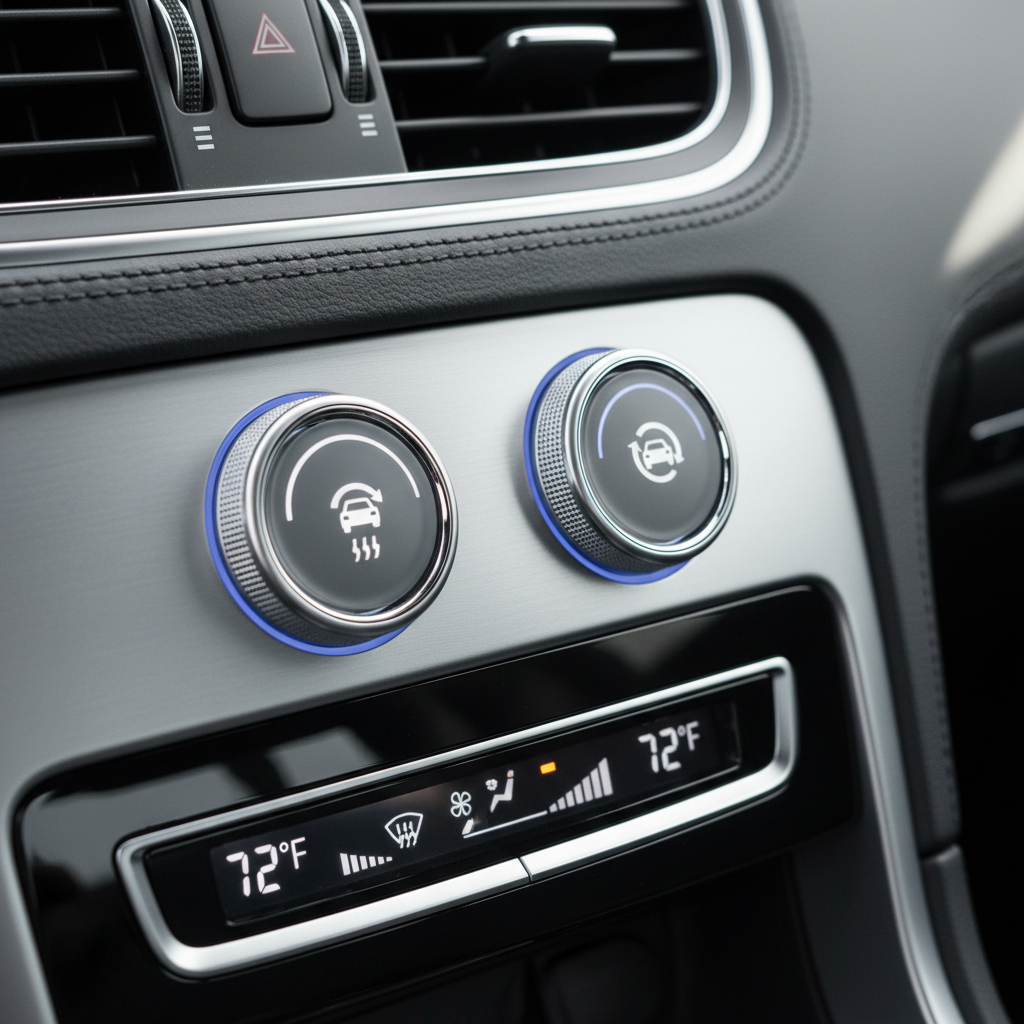
- Use recirculation in heavy dust: in construction zones or dirt roads, recirc can reduce incoming dust load.
- Wipe the dash with a damp microfiber: dry dusting can re-aerosolize particles and redeposit them on vents.
At-a-glance guide: symptoms, likely causes, and fixes
If you want a quick diagnostic, this table covers the most common patterns.
| What you notice | Likely cause | What to do |
|---|---|---|
| Dust film on vent slats and dash | Normal cabin dust + weak/old filter | Replace cabin filter, vacuum + brush vents, wipe dash with microfiber |
| Puff of dust when fan starts | Loose debris in ducts or vent housing | Vacuum while brushing, short compressed-air bursts with vacuum at vent |
| Musty smell with AC running | Moisture on evaporator, organic buildup | Start with filter change, consider evaporator cleaning; persistent odor may need a shop |
| Weak airflow across all vents | Clogged filter or obstruction near blower | Replace filter, inspect intake area; seek service if obstruction is inaccessible |
| Rattling/ticking from dash when fan runs | Leaf or debris contacting blower | Inspect cowl intake, consider professional blower-area cleanup |
Key takeaways and when to get professional help
Key takeaways:
- Vent cleaning works best when paired with a cabin air filter replacement.
- Vacuum + soft brush removes dust instead of pushing it deeper.
- If dust keeps blowing out, look at the cowl intake and possible blower-area debris.
Get professional help if you notice persistent musty odors, visible moisture issues, electrical concerns near the dash, or if accessing the blower requires major trim removal. In a few vehicles, ductwork access is tight, and forcing it can break clips or create rattles you’ll hate later.
If you want an easy next step today, replace the cabin air filter, then do a careful vacuum-and-brush clean on the vent faces, it solves the majority of everyday dust complaints without drama.