
Best car seat cooling cushion for summer heat really comes down to one thing: how your cushion moves heat away from your body in a parked-car, stop-and-go, AC-not-yet-cold reality.
If you’ve ever felt your back get sweaty five minutes into a drive, you already know the problem isn’t just “hot weather,” it’s trapped heat and humidity between you and the seat. A good cooling cushion can reduce that sticky feeling, and some can make leather or vinyl seats far more tolerable.
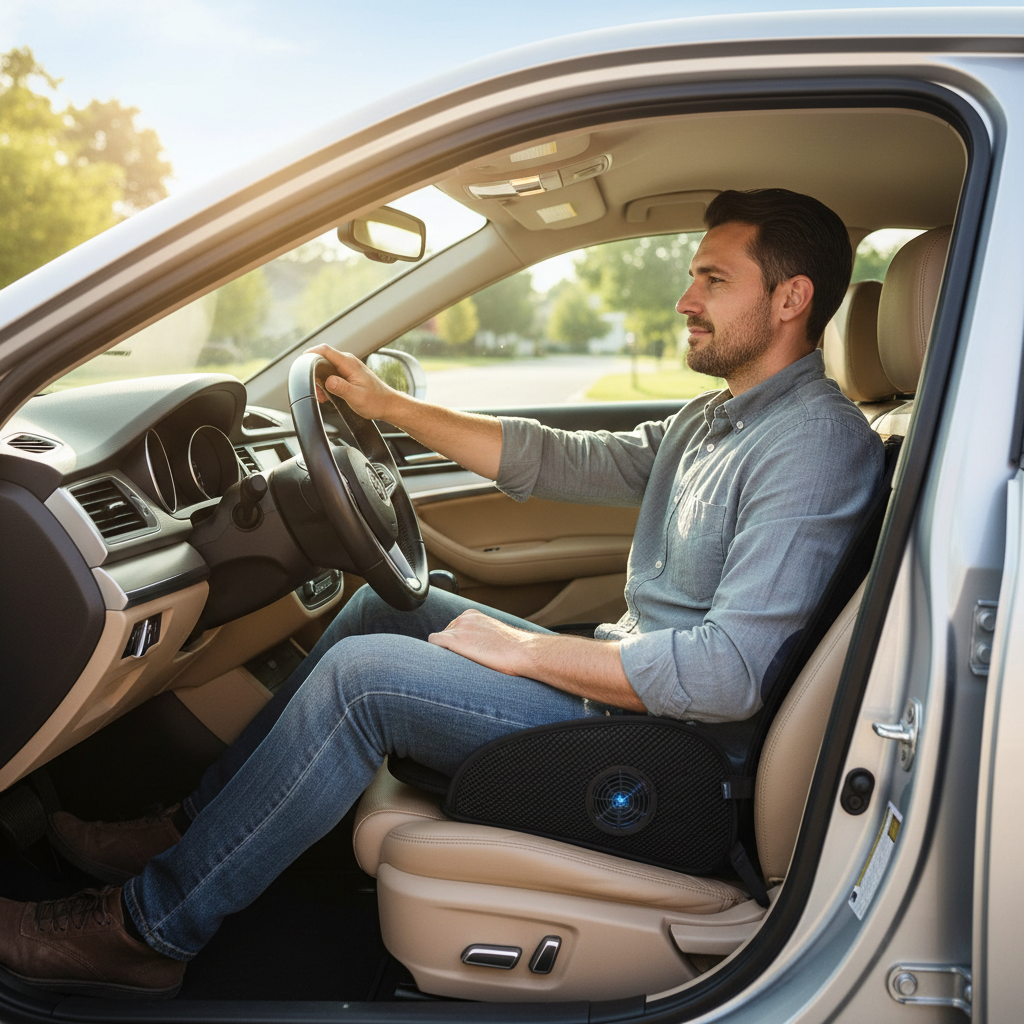
But it’s also an easy category to buy wrong. Some cushions “feel cool” for two minutes and then do nothing, others add bulk that messes with driving posture, and a few can create noise, pressure points, or fit issues with modern seats.
This guide breaks down what works in real vehicles, how to pick the right cooling method, what to avoid around airbags and seat sensors, plus a quick comparison table and a simple checklist.
What “cooling” really means in a car seat cushion
Most products marketed as cooling do one of three things, and the differences matter more than the brand name.
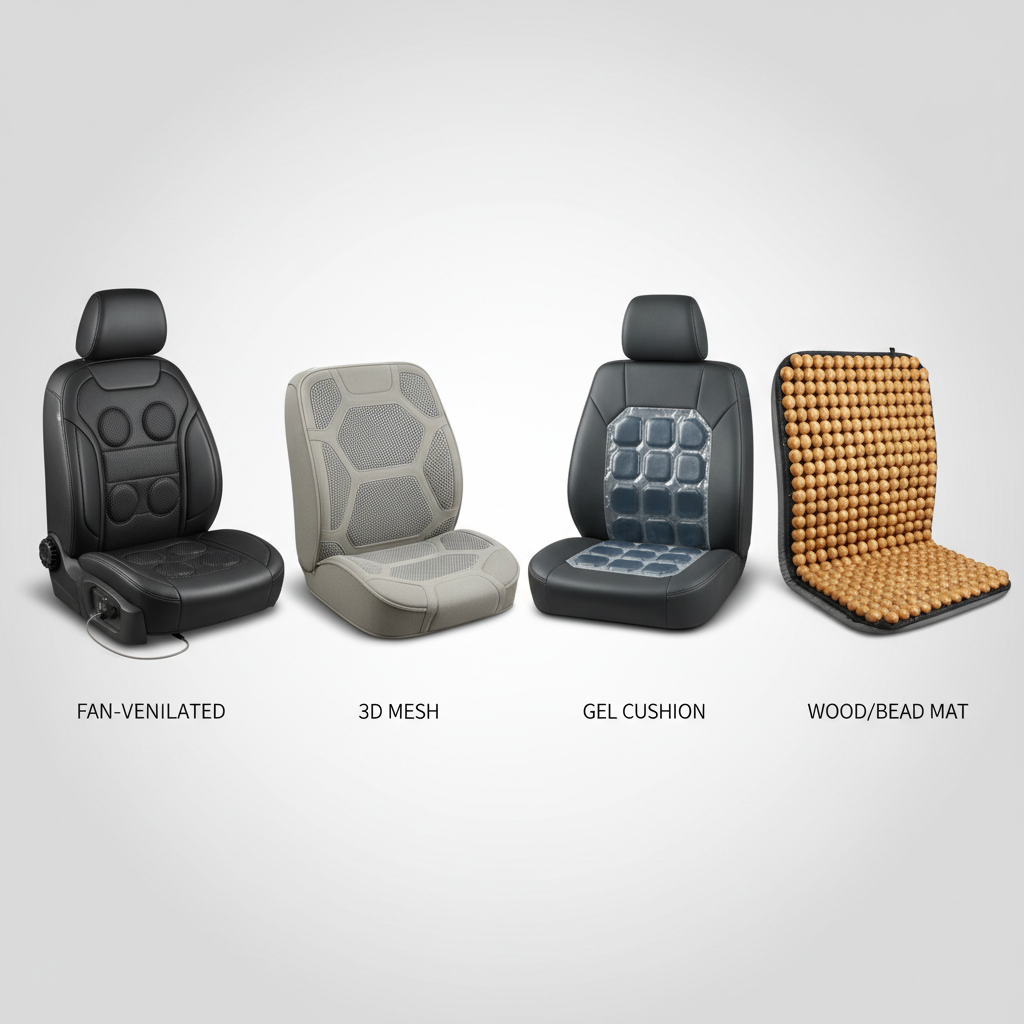
- Ventilation (fan-powered airflow): uses small fans to push air through channels or mesh, often the most noticeable for sweat control on long drives.
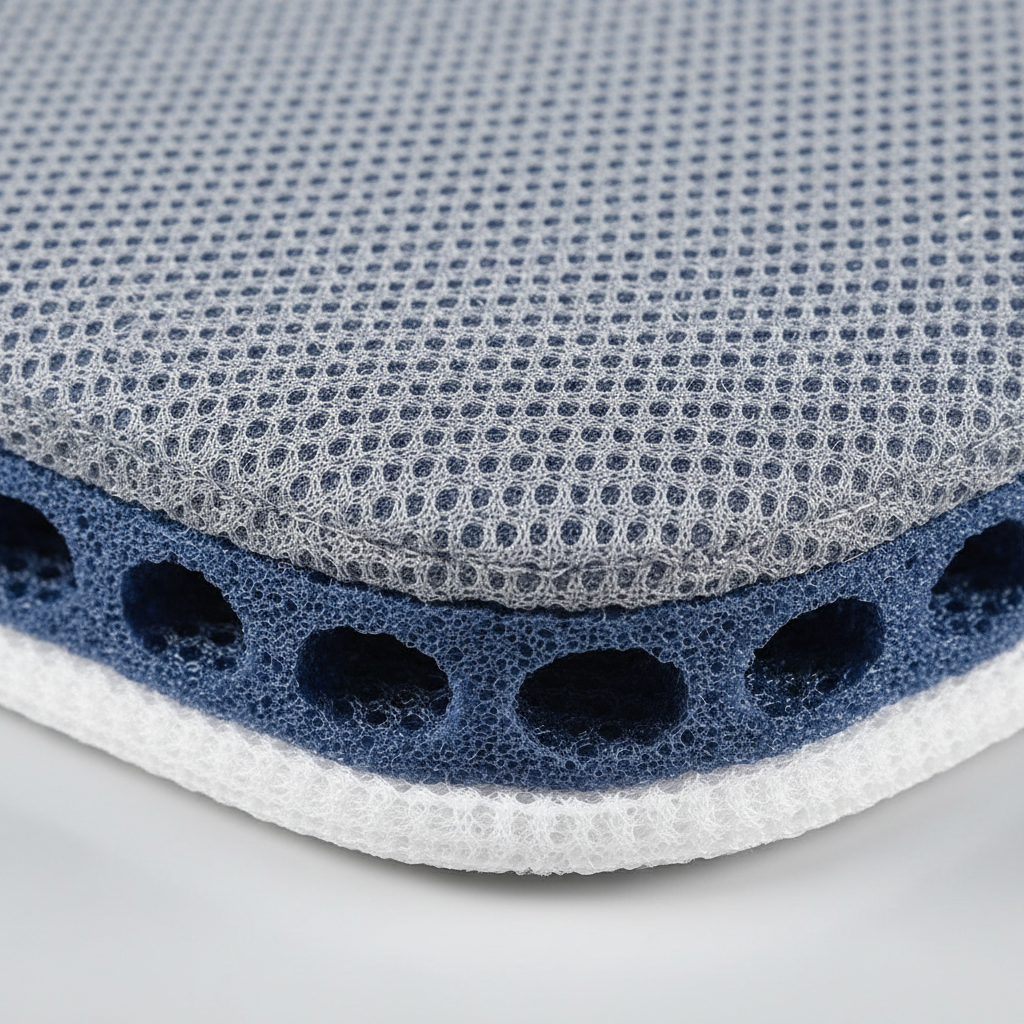
- Breathability (passive airflow): relies on 3D mesh, bead mats, or perforated layers to reduce heat buildup without power.
- Heat transfer materials (gel/phase-change): absorbs body heat at first touch, then tends to equalize, so the “cool” sensation can fade.
In summer commutes, the uncomfortable part is usually moisture plus heat. That’s why ventilation or high-breathability designs often feel more “real” over 30–60 minutes than a gel layer alone.
Quick comparison table: which type fits your summer driving?
Use this table as a shortcut, then confirm fit and safety details before you buy.
| Type | How it cools | Best for | Trade-offs |
|---|---|---|---|
| Fan-powered ventilated cushion | Moves air under your back/legs | Long commutes, rideshare, sweaty backs | Needs power, may add noise, fit can be picky |
| 3D mesh breathable pad | Creates an air gap, reduces humidity | Everyday driving, simple setup | Less dramatic “cool” feeling, depends on clothing |
| Gel / cooling foam cushion | Absorbs heat on contact | Short trips, pressure relief plus mild cooling | Cooling can fade, can trap heat if not breathable |
| Wood/bead seat mat | Ventilates via open structure | Hot climates, parked car heat, durability | Firm feel, may slide if straps are weak |
How to choose the best car seat cooling cushion for summer heat
Here’s the selection logic that usually prevents disappointment. Not glamorous, but it works.
1) Match cooling method to your “heat pattern”
- Back sweat and sticky shirt: prioritize ventilated or 3D mesh designs with real airflow channels.
- Thighs/seat-bottom heat: look for full-seat coverage, not just a back pad.
- Parked car feels like an oven: breathable/bead mats can help immediately, fans help once power is on.
2) Fit and stability matter more than you think
- Choose a cushion with anti-slip backing plus straps that won’t shift when you brake.
- If you’re tall or drive a compact car, watch for cushions that push you forward and change reach to pedals.
- Bucket seats need contoured cushions, flat pads can bunch up at the bolsters.
3) Power and controls (for ventilated models)
- Look for USB power if you have modern ports, or 12V if you prefer a dedicated socket.
- Multiple fan speeds help because “max” can feel noisy, while “low” is often enough once AC catches up.
- Check cord length so it reaches cleanly without draping over shifters or handbrakes.
Safety and compatibility: what to double-check before buying
Cooling cushions are generally simple accessories, but modern seats have airbags, sensors, and heating elements. It’s worth being cautious.
According to NHTSA, seat-mounted side airbags are designed to deploy from the seat area, so anything that interferes with that region may affect performance. Many cushions claim to be “airbag compatible,” but real compatibility depends on your seat design and how the cushion straps route.
- Side airbags: avoid thick padding that covers the outer seat bolsters where airbags often deploy.
- Occupant sensors: some vehicles use seat sensors for airbag logic; bulky cushions can sometimes affect readings.
- Heated/ventilated factory seats: an added cushion can block built-in ventilation and reduce heating efficiency.
- Driving posture: if the cushion changes hip height a lot, your mirror alignment and pedal control can feel off.
If you have a medical condition, chronic back pain, or circulation concerns, it may be smart to ask a clinician or physical therapist which seat add-ons are appropriate.
Self-check: are you buying for cooling, comfort, or both?
This is the part people skip, then wonder why the “best” cushion doesn’t feel best.
- You need mostly cooling if your issue is sweat, sticky skin, or heat rash irritation during summer driving.
- You need mostly pressure relief if your tailbone or sciatic area gets sore and you shift constantly.
- You need both if you drive 45+ minutes and feel hot plus sore, common with rideshare and delivery routes.
Key point: “Thicker” is not automatically “more comfortable.” In many cars, too much thickness makes your hips flex more and can increase fatigue.
Practical setup tips that make cooling cushions work better
Even the best car seat cooling cushion for summer heat can underperform if it’s installed in a rushed, “good enough” way.
- Secure the straps tight, then do a quick test: hard brake in a safe area and confirm it doesn’t slide.
- Leave airflow exits clear on ventilated cushions, don’t wedge the bottom against seat rails.
- Pair with breathable clothing; heavy denim can cancel out the benefit of mesh designs.
- Pre-cool your cabin for two minutes if possible, then run the cushion on low for steady comfort.
- Keep it clean; clogged mesh and dusty fan intakes reduce airflow and can smell worse in humidity.
If you park outdoors, a windshield sunshade plus a breathable cushion often feels better than a thick gel pad sitting in the sun all day.
Common mistakes (and what to do instead)
- Buying based on “instant cold” claims: gel can feel cool at first touch, but sustained comfort usually comes from airflow and moisture control.
- Ignoring seat shape: a flat cushion on a pronounced bucket seat tends to bunch up and create hot spots.
- Over-tightening the lumbar area: some designs pull too tight and change posture, loosen and re-route straps if your lower back feels pushed forward.
- Using the wrong power source: weak adapters can cause fan speed drops; use a reliable USB/12V adapter rated for your device.
- Covering airbag zones: if you cannot keep side bolsters clear, choose a narrower pad or a seat-back-only design.
Conclusion: the “best” choice is usually the one you’ll actually keep using
If you want the biggest difference on sweaty summer drives, a well-fitted ventilated cushion is often the most noticeable, while a quality 3D mesh pad tends to win for simplicity and everyday comfort. Gel styles can still make sense when you care more about pressure relief and only need mild cooling on short trips.
Two practical next steps: measure your seat base width and check where your side airbags deploy, then pick a cooling type that matches your commute length and your sweat pattern. That alone filters out most regrettable buys.
FAQ
What is the best car seat cooling cushion for summer heat for long commutes?
For 45–90 minute drives, fan-powered ventilated cushions usually feel more consistent because they keep air moving and help with moisture. Just confirm it fits your seat shape and doesn’t interfere with side airbags.
Do cooling gel seat cushions actually work in a hot car?
They often feel cool at first contact, then warm up as temperatures equalize. In very hot cabins, gel can still help with pressure, but it may not manage sweat as well as breathable mesh or ventilation.
Are car seat cooling cushions safe with side airbags?
It depends on your vehicle and cushion design. According to NHTSA guidance on airbag systems, anything that blocks or changes the seat area where airbags deploy may be a concern, so keep outer bolsters clear and follow your vehicle manual.
Will a cooling cushion damage leather seats?
Most won’t, but rough backing, trapped grit, or straps rubbing can mark leather over time. Cleaning the seat area and choosing an anti-slip backing that isn’t abrasive usually prevents issues.
Is a breathable mesh cushion enough if I drive rideshare?
Sometimes, especially if your car AC is strong and you wear breathable clothing. If you’re in the seat for hours, ventilation tends to feel better because it reduces humidity buildup more aggressively.
How do I stop a cooling cushion from sliding around?
Use a model with grippy backing and adjustable straps, then tighten them with the seat in your normal driving position. If it still shifts, a thin anti-slip mat under the cushion can help, as long as it doesn’t add bulk or block airbag areas.
Can I use a cooling cushion on top of factory ventilated seats?
You can, but it may reduce the benefit of the built-in ventilation by blocking airflow paths. If your factory system already works well, a thin breathable layer is usually a better match than a thick pad.
If you’re trying to pick a best car seat cooling cushion for summer heat without wasting money on the wrong style, it helps to start with your seat shape, your commute length, and whether you need airflow or just a cooler first touch, that simple filter usually gets you to a short list fast.