
Best car air ionizer for smoke and odor removal searches usually come from the same frustration: you detail your interior, maybe hang an air freshener, and the smoke smell still comes back the next warm day.
An ionizer can help because it targets odor-causing particles instead of simply covering them up, but the catch is that “ionizer” is a broad label, and performance and safety can vary a lot by design, settings, and how you use it.
This guide breaks down what to look for, how to tell whether an ionizer is even the right tool for your car, and a practical setup that works for most real-world situations like cigarette smoke, food funk, and musty HVAC odors.
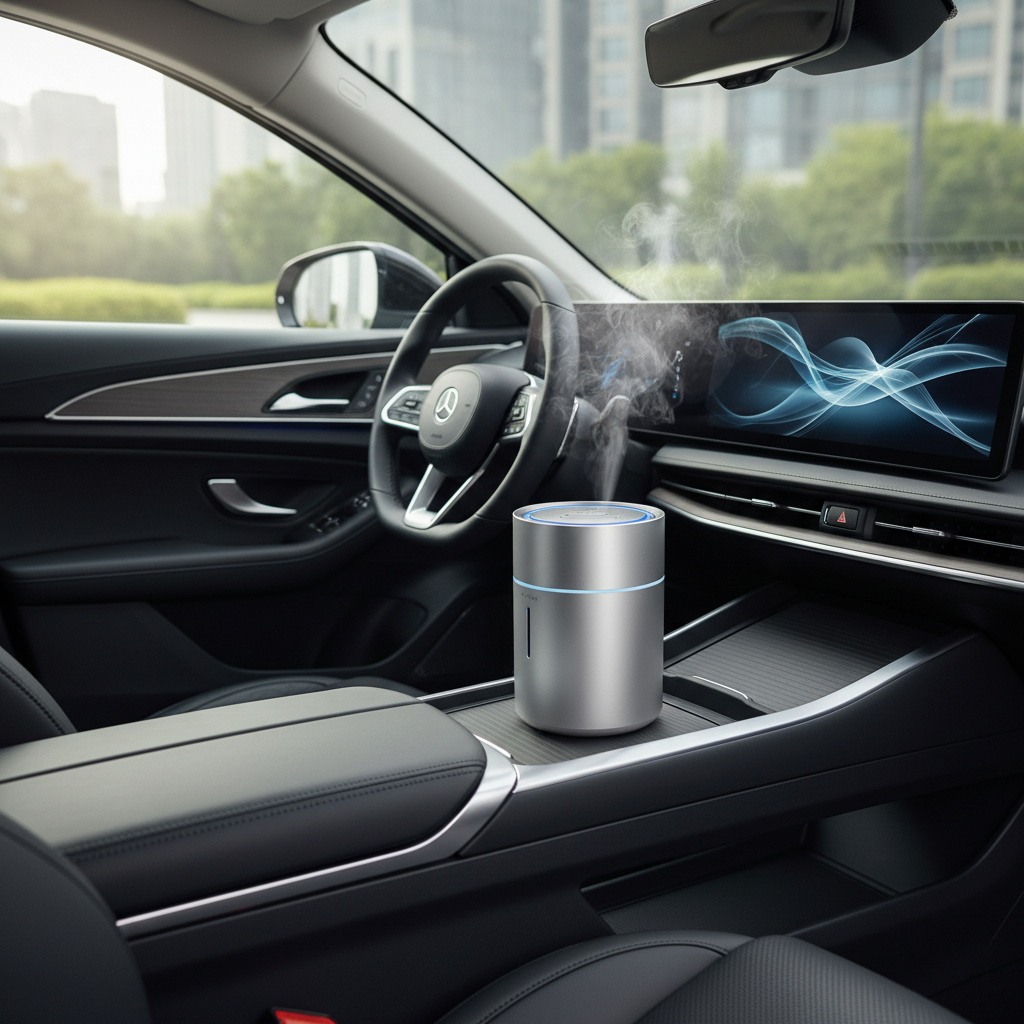
What a car air ionizer can (and can’t) do for smoke and odors
Ionizers work by releasing charged ions that attach to airborne particles, which can make those particles clump together and settle out of the air, in many cases reducing that “stale” smell while you’re driving.
But smoke and odor removal is rarely just an “air” problem. If the smell is soaked into headliner, seat foam, carpet padding, or the cabin air filter, an ionizer may improve the air temporarily while the surfaces keep re-releasing odor.
- Often helpful for: lingering smoke haze in the air, mild to moderate food odors, general “stuffy” cabin air.
- Usually not enough alone for: heavy smoker cars, mold/mildew sources, pet urine in carpet padding, HVAC contamination.
According to U.S. Environmental Protection Agency (EPA)... some ozone generators marketed as “air cleaners” can produce ozone levels that may be harmful, so the “ionizer” category deserves a careful look before you buy.
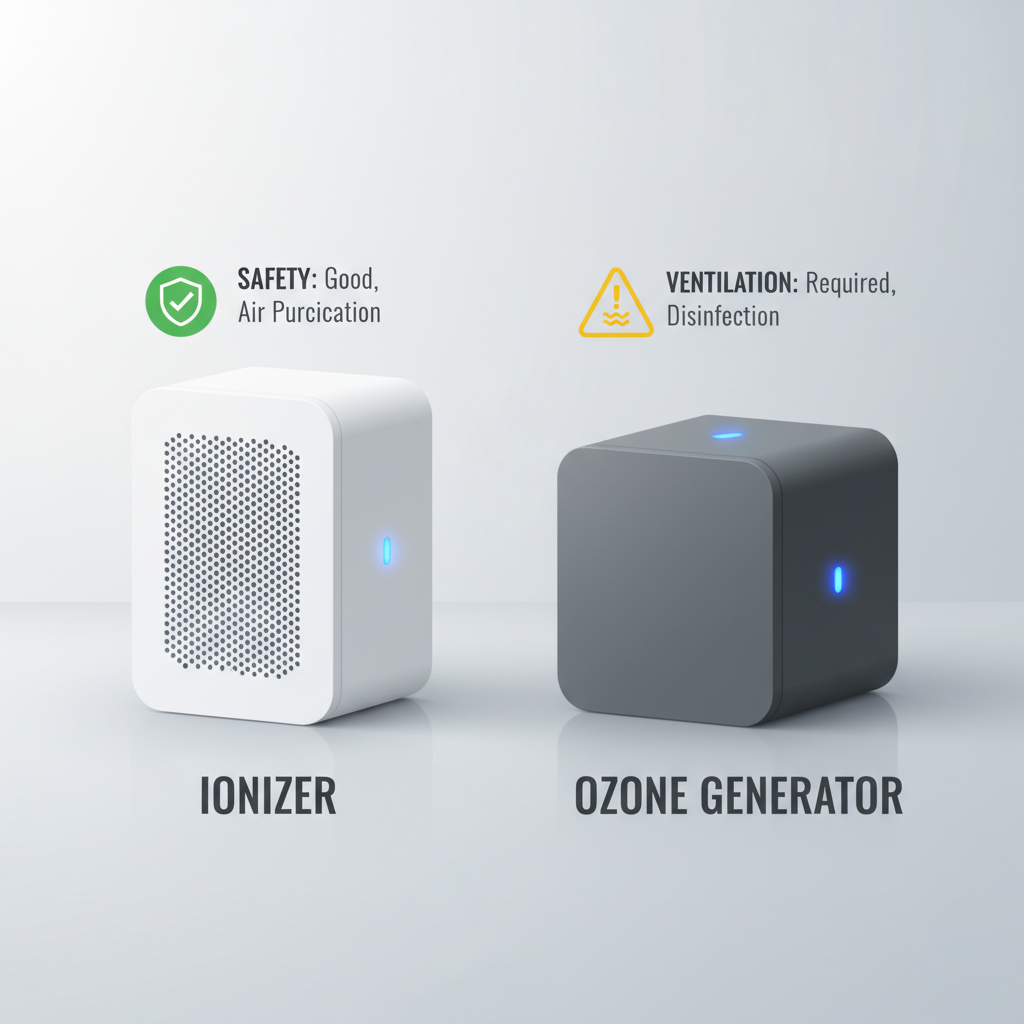
Key safety point: ionizers vs. ozone generators (don’t mix them up)
In listings, you’ll see “ionizer,” “negative ion,” and “ozone” used interchangeably, even though they’re not the same tool. For a car, where the cabin is a small enclosed space, this matters more than it does in a big room.
How to tell what you’re actually buying
- If it says “ozone,” “O3,” “shock treatment,” or “hotel odor bomb”, that’s typically an ozone generator, not a daily-use ionizer.
- If it mentions “meets CARB ozone limits” or “ozone-free,” it’s usually trying to reassure you about emissions, but still read the fine print.
- If it has a UV/photocatalytic (PCO) section, it may still create byproducts depending on design and conditions, so be cautious.
For ongoing use while you’re in the car, many people prefer devices designed to be low-ozone or ozone-free. If you have asthma, COPD, or sensitivities, it’s smart to choose conservatively and consider asking a medical professional what exposures to avoid.
Quick self-check: do you need an ionizer, a filter, or a deeper clean?
Before picking the best car air ionizer for smoke and odor removal, figure out what kind of “odor problem” you actually have. This saves money and avoids the loop of buying gadgets that can’t fix a soaked-in source.
- Odor is strongest with AC on → suspect cabin air filter, evaporator box, or mildew in HVAC.
- Odor spikes on hot days → smoke residue in upholstery, headliner, or carpet off-gassing.
- Odor is strongest right after smoking → airborne particles; an ionizer may help faster here.
- Odor never really changes → likely a source issue (spill, mold, saturated padding).
Rule of thumb: if you can remove the smell by wiping one area or changing a filter, do that first, then use an ionizer as a “finishing tool” to keep the cabin feeling fresher.
What to look for in the best car air ionizer for smoke and odor removal
The best choice is usually the one that matches your driving pattern and your odor source, not the one with the biggest claims. Here are criteria that tend to matter in real use.
Buying criteria that actually change results
- Ozone transparency: clear statements like “ozone-free” or published ozone output specs, plus safety guidance in the manual.
- Fan-assisted airflow: a small fan often helps move cabin air through the device, which matters more than “ion count” marketing.
- Power and placement: USB-C/12V options, stable mount, and the ability to aim airflow without blocking vents.
- Maintenance: washable collector plates or easy-to-replace filter elements, otherwise performance drops quietly over time.
- Noise and night driving: low noise and controllable LEDs, because annoying devices get unplugged.
Feature comparison table (use this to shortlist)
| Type | Best for | Tradeoffs | Good signs in the listing |
|---|---|---|---|
| Ionizer (fan-assisted) | Day-to-day freshness, light smoke/food odors | Needs cleaning; won’t remove soaked-in odors alone | Ozone-free/low-ozone, adjustable modes, cleaning instructions |
| HEPA + carbon (no ionizer) | Allergens + some odor control | Filter replacement cost; needs enough airflow | True HEPA claim, activated carbon amount, CADR-style airflow info |
| Ionizer + carbon combo | Mixed odors and dust, balanced approach | More parts; marketing can be messy | Clear filter specs + clear ionizer/ozone statement |
| Ozone generator (shock use only) | Unoccupied deep odor treatment in some scenarios | Not for occupied use; requires strict ventilation and caution | Explicit warnings, timer, guidance for airing out |
How to use a car ionizer so it actually removes smoke smell (step-by-step)
Most “it doesn’t work” complaints come down to setup. You can have a solid device and still get mediocre results if air never circulates or the odor source keeps feeding the cabin.
- Step 1: Remove the obvious source. Empty ashtray, toss old wrappers, wipe hard plastics with a mild interior cleaner.
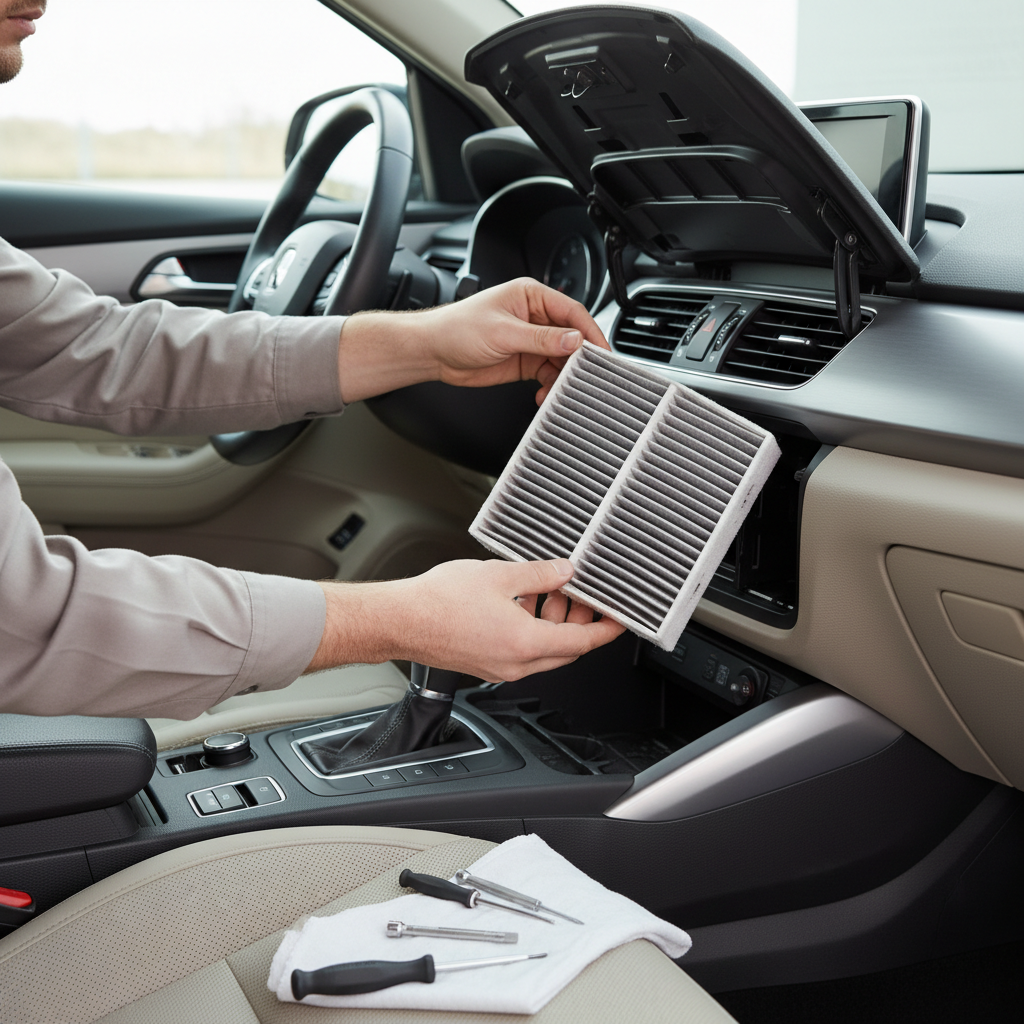
- Step 2: Change the cabin air filter if you don’t remember the last time. A smoke-saturated filter can undo everything.
- Step 3: Run recirculation for 10–15 minutes with the ionizer on. This keeps air looping through the cabin.
- Step 4: Place the device where airflow makes sense. Usually front cupholder or center console, not buried under a seat.
- Step 5: Clean the device on schedule. Collector plates and grills can hold residue; performance fades when they’re dirty.
If your main issue is old cigarette smoke in upholstery, add a targeted fabric-safe cleaner and a slow dry, because the odor lives in material, not just in the air.
Common mistakes that waste money (and how to avoid them)
A car is a tough environment: fast temperature swings, small volume, lots of fabrics, and a ventilation system that can hide odors. These are the missteps that show up again and again.
- Buying based on “ion count” alone. It’s rarely standardized, and it won’t compensate for poor airflow or bad placement.
- Ignoring the cabin air filter. If it smells, your “fresh cabin” won’t last.
- Expecting instant removal of heavy smoke. Old smoke is a residue problem; it needs surface cleaning plus time.
- Running high-output modes in a closed car for long periods. Even with non-ozone claims, follow the manual and ventilate if you notice irritation.
- Covering odors with fragrance. That “sweet + smoke” combo is the fastest way to hate your own car.
According to Centers for Disease Control and Prevention (CDC)... reducing exposure to tobacco smoke residue matters, so if this is a shared vehicle, it’s worth treating the source rather than only masking the smell.
When you should skip DIY and get professional help
Sometimes the best car air ionizer for smoke and odor removal still won’t solve the root issue, because the odor source is structural or biological. In these cases, paying for a proper interior remediation can be cheaper than cycling through gadgets.
- Musty smell plus window fogging or damp carpet suggests a leak or moisture trapped under carpet padding.
- Strong odor after HVAC use can point to evaporator mold that needs professional cleaning.
- Smoke odor in a used car purchase may require deep extraction, ozone shock by trained detailers, or even replacing soft materials.
If you suspect mold, or if anyone in the household has respiratory conditions, it’s sensible to consult a qualified detailer or an HVAC/auto service professional and avoid aggressive chemical or ozone treatments without guidance.
Key takeaways and a practical recommendation
If you want the best car air ionizer for smoke and odor removal, aim for a fan-assisted, low-ozone or ozone-free unit, then pair it with the boring basics that actually move the needle: a fresh cabin filter, a wiped-down interior, and smart airflow settings.
- Light odors: ionizer + recirculation routine usually helps quickly.
- Moderate smoke: add upholstery cleaning and filter replacement.
- Heavy or persistent odors: consider a pro detail or HVAC treatment instead of stacking devices.
If you take one action today, make it this: replace the cabin air filter and run your device with recirculation for a week, then reassess, you’ll know fast whether you’re dealing with air particles or a deeper source.
FAQ
What is the best car air ionizer for smoke and odor removal if I drive every day?
Look for a compact, fan-assisted ionizer designed for continuous use with clear ozone information, daily drivers benefit most from consistent low-level treatment plus routine cleaning and filter changes.
Do car ionizers remove cigarette smoke or just cover it up?
They can reduce airborne particles that contribute to smoke smell, but they won’t magically erase residue embedded in fabric and foam, pairing with interior cleaning is usually where results feel real.
Is an ionizer safe to run while I’m in the car?
It depends on the device design and any ozone byproduct, follow the manufacturer guidance, ventilate if you notice throat/eye irritation, and if you have respiratory issues, consider asking a clinician what’s appropriate.
Should I buy an ionizer or a HEPA/carbon purifier for car odors?
If odors are your main issue, activated carbon often helps because it adsorbs odor molecules, an ionizer can complement it, while HEPA is more about particles like dust and pollen.
Why does my car still smell after I run an ionizer?
Usually because the odor source remains, common culprits are a dirty cabin air filter, smoke residue in headliner, or mildew in the HVAC box, the fix is source removal plus air treatment.
Can I use an ozone generator to remove smoke smell from my car?
Some detailers use ozone shock treatments in unoccupied vehicles, but ozone can be harmful and requires careful handling and ventilation, for most people, a safer path is cleaning plus a low-ozone device.
How long should I run a car ionizer to remove odors?
For mild odors, many people notice improvement within a few drives if airflow is set correctly, for older smoke, think in days to weeks combined with cleaning, not a single session.
If you’re trying to choose the right setup and would rather not guess, a simple approach is to shortlist a fan-assisted, low-ozone ionizer and pair it with a fresh cabin air filter and a basic interior wipe-down routine, it’s usually the most cost-effective path before you consider heavier treatments.