
Best car cup holder insert for small cups is usually the quickest fix when your slim energy drink, kid-size water bottle, or small coffee cup keeps wobbling and tipping in an oversized factory holder.
If you drive in the U.S., you already know the pattern, many cup holders are built for “big gulp” sizes, while modern drinks often come in skinny cans and smaller bottles. The mismatch feels minor until you hit a turn and coffee ends up in the console.
This guide breaks down what actually matters when choosing an insert, which styles work for small cans versus short cups, and how to measure your holder so you don’t buy something that almost fits.
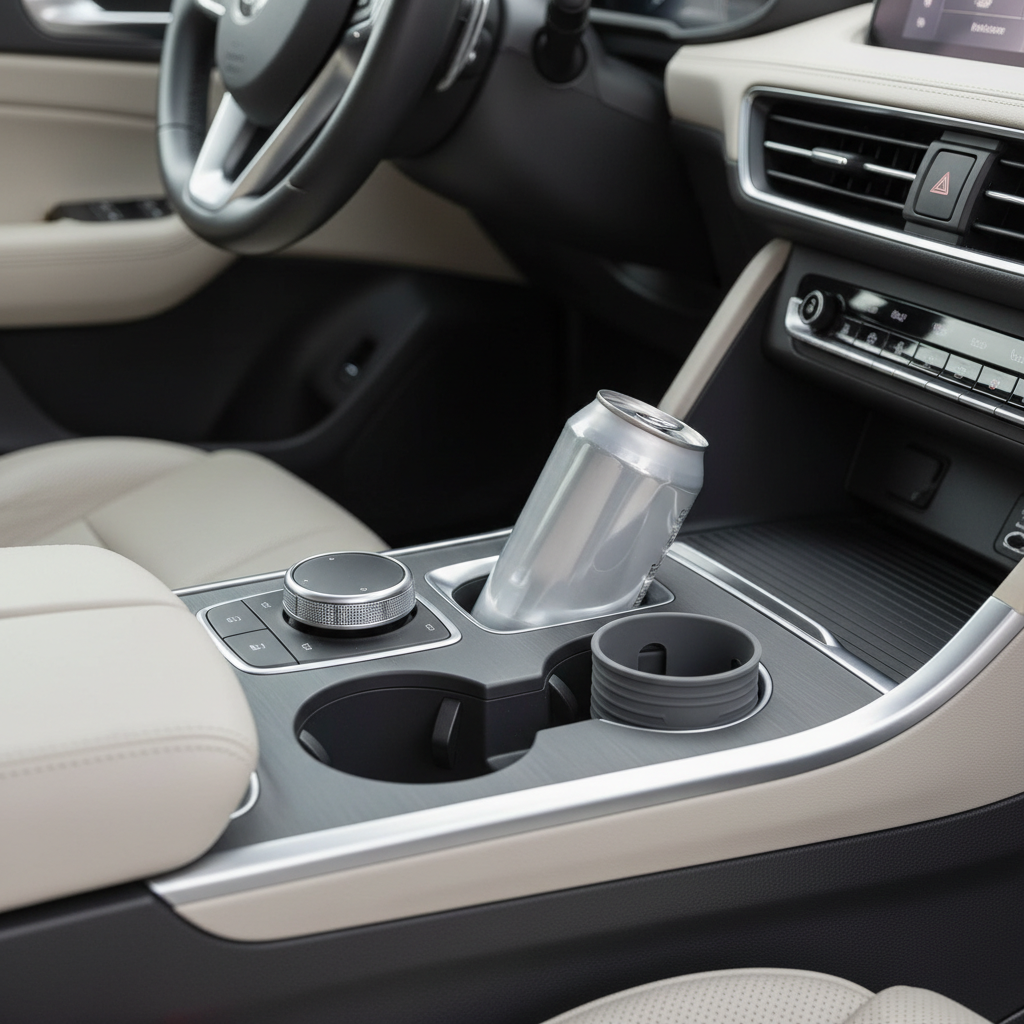
Why small cups and cans keep tipping in most car cup holders
The problem usually isn’t your cup, it’s the geometry of the holder. Most factory holders are a compromise across many drink sizes, and small containers land right in the “gap zone.”
- Diameter mismatch: slim cans and small bottles don’t touch the sidewalls, so they rock under braking.
- Shallow holders: if the base sits high, the drink’s center of mass stays higher, making tipping easier.
- Hard plastics: rigid surfaces amplify vibration and rattling, especially on rough roads.
- Odd cup shapes: tapered paper cups or narrow-bottom mugs slide and rotate more than you expect.
Spills also create a safety distraction. According to National Highway Traffic Safety Administration (NHTSA), driver distraction is a major factor in crashes, so it’s worth treating “small annoyance” as a real comfort-and-attention issue.
Quick self-check: do you need an insert, a riser, or a whole new holder?
Before buying anything, figure out what kind of instability you have. A lot of people buy a reducer insert when the real issue is depth, not width.
- If your drink wobbles side-to-side: you likely need a diameter-reducing insert (silicone/rubber).
- If your drink feels “too low” and hard to grab: you may need a riser (a lift puck or stacked spacer).
- If the holder is irregular or too large (wide-open bin style): consider a drop-in cup holder organizer with multiple rings.
- If you swap drink sizes constantly: look for an insert with flex fins or a multi-diameter stepped design.
Also check your console layout, some inserts interfere with shifter movement or touch-screen knobs. A “perfect fit” that blocks controls is still a bad fit.
What makes the best car cup holder insert for small cups (real-world criteria)
On product pages everything says “universal.” In practice, a good insert wins on a few boring details that matter every day.
Material and grip
- Silicone: typically the most forgiving, grips well, easy to wash, good for rattles.
- Rubber: similar to silicone but can feel stiffer, sometimes holds shape better.
- Hard plastic: can work if it’s precisely sized, but tends to rattle and slip unless it has pads.
Drainage and cleaning
If you ever put iced drinks in the holder, condensation and drips happen. An insert with small drain channels or an easy-lift tab makes cleanup less annoying.
Depth and lip height
For short cups, a tall lip can make the drink feel “trapped.” For slim cans, a slightly taller wall often helps. This is where many “one size” inserts disappoint.
Heat tolerance
If you park in direct sun, cheap soft materials can warp. Look for inserts marketed as heat-resistant, but keep expectations realistic, dashboards and consoles can get brutally hot in summer.
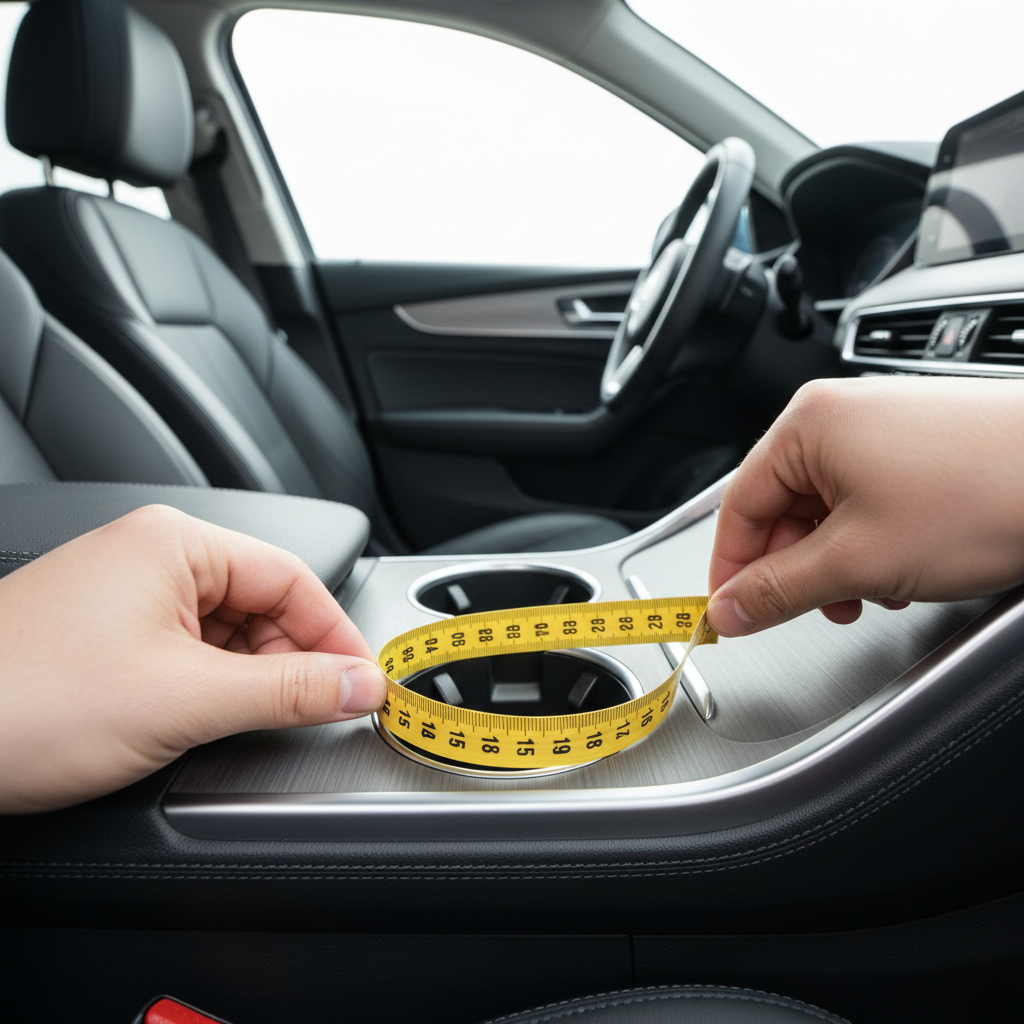
Size guide: how to measure and choose without guessing
This is the part most buyers skip, then they end up with an insert that spins, pops out, or won’t sit flat.
- Measure inner diameter: use a tape measure or calipers across the widest inner circle.
- Measure usable depth: from the rim to the bottom, noting any raised bumps or rubber mats.
- Check the base: if the bottom is domed or has a hinge seam, choose an insert with a flexible base.
- Test your common drinks: slim can, small bottle, and your usual coffee cup. Note which one fails most.
If you’re shopping online, favor listings that provide inner/outer diameter ranges instead of only “fits most vehicles.” That one line is rarely enough.
Comparison table: common insert styles for small cans and cups
Different designs solve different problems. Here’s a practical way to pick the style that matches your daily use.
| Insert style | Best for | Pros | Watch-outs |
|---|---|---|---|
| Silicone reducer ring (single diameter) | Slim cans, small bottles | High grip, quiet, easy wash | Can be too tight for larger cups |
| Stepped multi-diameter insert | Mixed drink sizes | More versatile, fewer swaps | Sometimes bulky, may raise cup height |
| Flex-fin / petal insert | Odd-shaped cups, tapered cups | Adapts to shapes, good stabilization | Fins can catch sleeves or lids |
| Riser puck / lift spacer | Short cups you can’t grip | Improves reach, helps stability | Doesn’t fix side-to-side wobble alone |
| Console organizer with cup rings | Wide bins, trucks/SUVs with big wells | Adds structure + storage | May reduce space, model fit varies |
Practical setup: getting a secure fit in 10 minutes
Once you have an insert, the small tweaks matter. A lot of “this doesn’t work” complaints come from skipping simple setup steps.
Step-by-step
- Clean the holder: remove crumbs and sticky residue, inserts slide on grime.
- Dry fit first: press the insert in and rotate it, it should resist spinning but not buckle.
- Test with your smallest can: if it still rocks, add a thin grippy pad under the insert or choose a tighter reducer.
- Test with your “biggest normal” cup: if it won’t go in, you need a stepped design or a removable ring approach.
Key takeaway
The best car cup holder insert for small cups is the one that fits your smallest drink without punishing your normal drink. If you constantly remove it to fit a medium coffee, it won’t last in your routine.
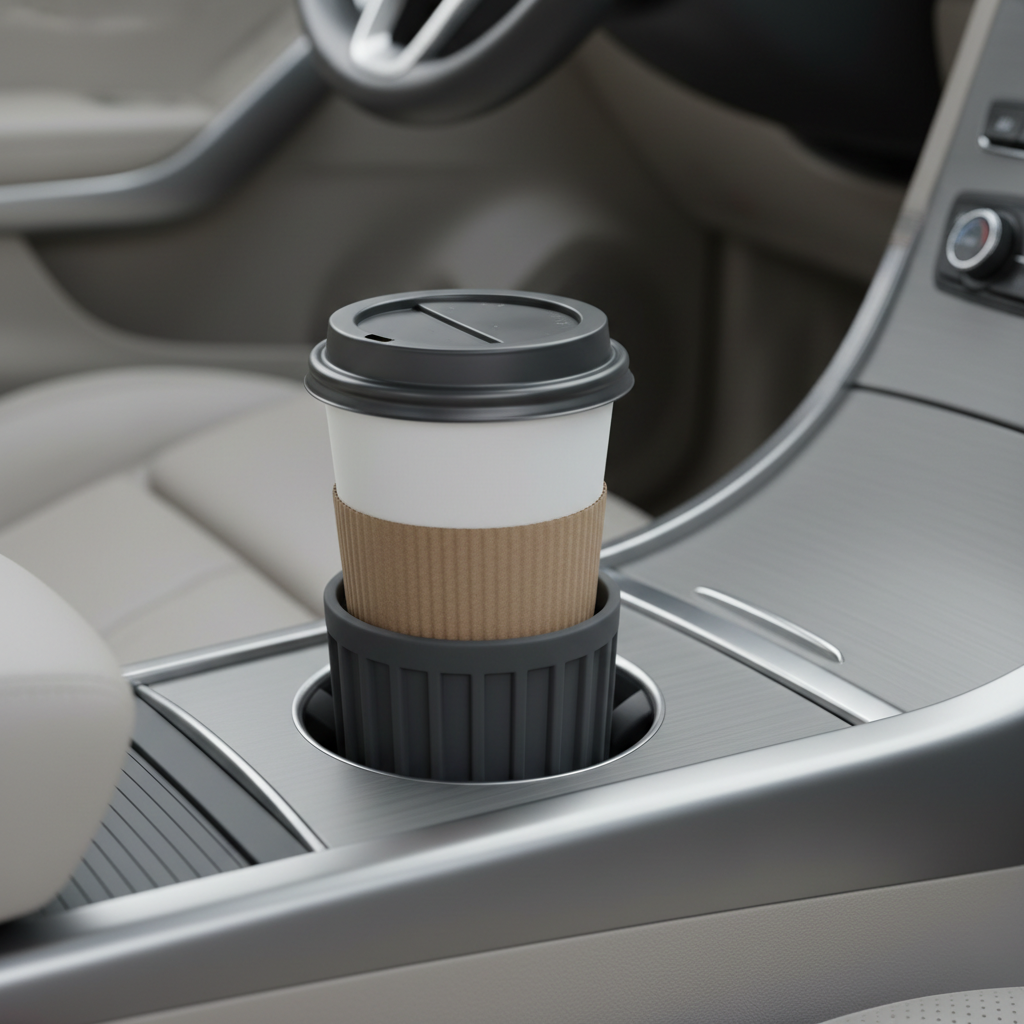
Mistakes to avoid (they cost more time than money)
These are the traps that keep coming up, especially for drivers trying to stabilize small cans.
- Buying “universal” with no measurements: you’re gambling on tolerances, and cup holders vary more than people think.
- Choosing ultra-soft inserts for hot climates: they can deform, then they stop holding shape.
- Ignoring depth: a reducer ring won’t help much if the cup sits too high and top-heavy.
- Over-tightening the fit: if you have to yank a drink out, you increase spill risk, especially with lidless cups.
- Blocking nearby controls: taller inserts and organizers can interfere with shifters, drive modes, or infotainment dials.
When it’s worth getting extra help or a vehicle-specific solution
If your console has an unusual shape, or you’re trying to secure drinks for a rideshare workflow, a generic insert might stay “almost right.” In that case, a vehicle-specific organizer or a custom-fit accessory can be worth the extra cost.
For anything that involves adhesives near airbags, seatbelt anchors, or critical controls, it’s smart to be conservative. If you’re unsure, ask a dealership parts department or a qualified installer, they usually know what accessories play nicely with your model and trim.
Conclusion: picking the right insert without overthinking it
If your priority is stopping slim cans and small bottles from tipping, start with a grippy silicone reducer and measure your holder before you buy. If the real pain point is grabbing short cups, add a riser or choose a stepped insert that lifts the base slightly.
Action steps that actually move the needle: measure diameter and depth today, then choose an insert style that matches your most common drink, not the one you buy once a month.
FAQ
What size cup holder insert works for slim cans like energy drinks?
Most slim cans need an insert that reduces diameter and adds friction. Look for silicone or rubber designs that list inner diameter ranges, and avoid hard plastic unless it has grippy pads.
Will a cup holder insert scratch my console?
Soft silicone usually won’t, but hard plastic can rub over time if dirt gets trapped underneath. Cleaning the holder first and choosing a flexible material lowers that risk.
Why does my small coffee cup still wobble even with an insert?
Often it’s a depth issue, the cup sits too high and becomes top-heavy. A riser can help reach, but if wobble continues you may need a tighter reducer or a flex-fin style that grips the cup body.
Can I use a cup holder insert with insulated bottles?
Usually yes, but insulated bottles vary a lot in diameter and base shape. If your bottle has a wide shoulder and narrow base, a stepped insert or flexible fins tend to behave better than a single fixed ring.
How do I stop the insert from lifting out with my cup?
That typically means the outer fit is too loose or the insert base is too smooth. Cleaning residue helps, and some inserts include anti-slip ribs; otherwise a thin non-slip pad under the insert can reduce lifting.
Are adjustable cup holder expanders better than inserts for small cups?
Expanders are great when you need to hold larger bottles, but for small cups they can be overkill and sometimes raise the drink higher. Many drivers find a simple reducer insert more stable for slim cans.
Is it safe to use adhesives to keep an insert in place?
It can be, but it depends on your interior materials and nearby controls. If adhesive could damage trim or interfere with console components, skip it and use a better-fitting insert, or consult a professional installer.
If you’re tired of small drinks rattling around and you want a more “set it and forget it” setup, start by measuring your cup holder and choosing an insert style that matches your everyday cup, it’s a small change that often makes the whole cabin feel calmer.