
best car seat belt cutter emergency tool is the kind of thing you hope you never need, but when a belt locks after a crash, seconds can feel painfully long.
Most drivers buy one and toss it in the glove box, then forget about it, and that’s usually where things go wrong. In a real emergency, you may be upside down, disoriented, or dealing with water, smoke, or a stuck buckle, so “I have it somewhere” does not help much.
This guide focuses on what actually matters: the cutter style that works under stress, what to avoid, where to mount it so you can reach it, and how to do a quick practice check without turning your car into a project.
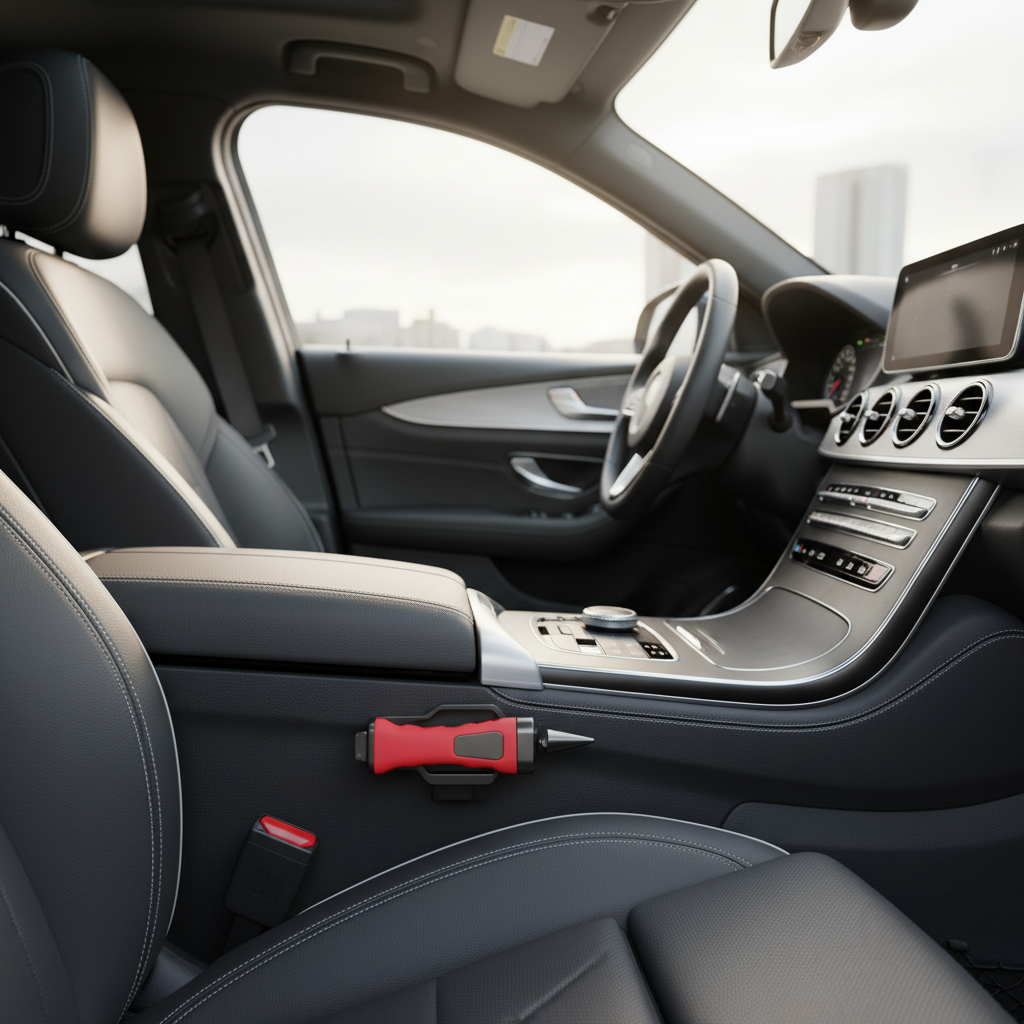
What makes a seat belt cutter “best” in real emergencies
There isn’t one perfect tool for everyone, but the best-performing ones share a few traits: they cut fast with little force, they’re hard to misuse, and they stay accessible when everything shifts.
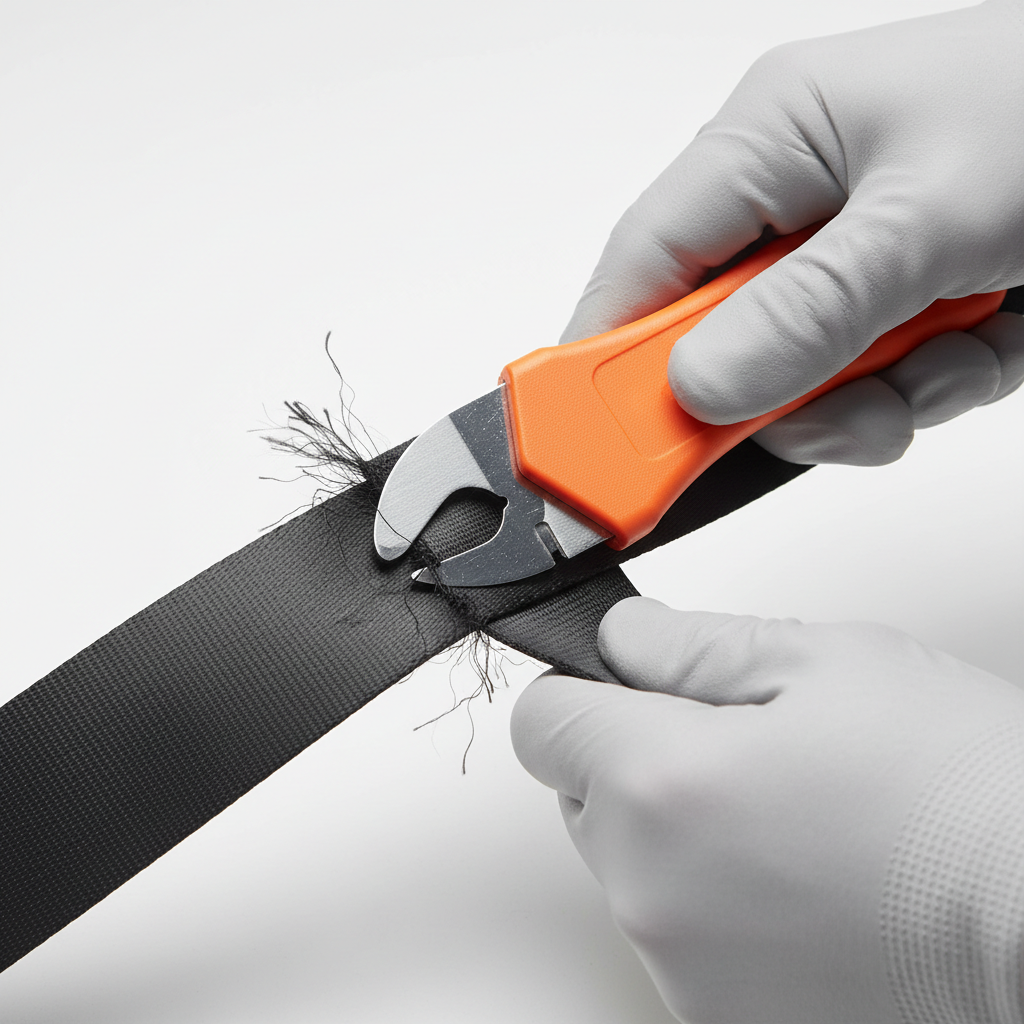
- Protected (hook) blade: A recessed blade helps reduce accidental cuts to skin, clothes, airbags, or upholstery, while still slicing webbing quickly.
- One-hand operation: In many scenarios one hand braces your body, holds a child, or stabilizes your head, so the tool should work with a single grip.
- Grip under stress: Textured body, finger stop, and a shape that doesn’t spin when your hands are wet.
- Durable blade and housing: Seat belt webbing is tough, plus debris and grit can dull cheap metal fast.
- Reliable mounting: If it becomes a loose projectile, you lose it exactly when you need it.
Also worth saying out loud: a cutter is not a substitute for safe driving or proper restraint use, it’s a backup plan for the small set of situations where normal release fails.
Common situations where a cutter helps (and when it won’t)
A cutter is most useful when the belt is still across your body but you cannot get the buckle to release. That can happen after impact, under load, or when the latch mechanism gets jammed by deformation or debris.
- Post-crash belt lock: The retractor locks and tension stays high, leaving you pinned in the seat.
- Vehicle rollover: Hanging by the belt changes how much force you can apply to the buckle button.
- Water submersion: Panic and pressure changes can make fine motor tasks harder, and belts can stay tight.
- Child seats and tangled webbing: Sometimes you need to cut a belt to free a trapped occupant, but only after you’ve tried standard release methods.
When it might not help: if you cannot physically reach the belt, if an injury prevents arm movement, or if an object blocks access. That’s why placement and practice matter almost as much as the blade.
Quick self-check: do you need one, and where would you put it?
If you already carry a multitool or pocket knife, you might assume you’re covered. In practice, general blades can be slow on webbing, and a pointed knife introduces risk in a cramped cabin.
A fast “reach test” you can do in 60 seconds
- Sit in the driver seat, buckle up, and imagine you’re tilted slightly to one side.
- With your non-dominant hand, reach to where you plan to store the tool.
- If your shoulder has to unseat or you need two hands, it’s not a good location.
Placement that tends to work
- Center console side (driver side): often reachable even in awkward angles.
- Lower dash/under steering column area: good if it doesn’t interfere with knees or controls.
- Door pocket: sometimes reachable, sometimes not after side impact, so treat it as secondary.
Glove box is a classic mistake, it’s too far and may jam shut after a crash.
Key features to compare (with a practical checklist)
When you shop for the best car seat belt cutter emergency tool, the product page will often highlight “tactical” vibes. Ignore the vibes and look for usability details.
| Feature | Why it matters | What to look for |
|---|---|---|
| Blade style | Speed + safety near skin | Recessed hook blade made for webbing |
| Handle/grip | Wet hands, shaking hands | Textured body, finger stop, no sharp edges |
| Mounting | You must find it instantly | Clip/sheath/adhesive mount that won’t pop off easily |
| Window breaker (optional) | Useful if you must exit through glass | Spring-loaded punch tip, protected when stored |
| Size | Too big gets ignored | Compact, but still easy to grip |
Key point: if the tool is awkward enough that you won’t mount it, you probably won’t have it when you need it.
How to use a seat belt cutter safely (step-by-step)
In training environments, the goal is to cut the belt with minimal movement and minimal risk to the person inside the belt. In real life, you may need to adapt, but the basics stay similar.
Suggested steps
- Try normal release once: press the buckle button firmly, and pull the belt to relieve tension if you can.
- Stabilize the belt: grab a section of webbing away from your body, if possible, to create a little space.
- Hook and pull: slide the hook over the belt and pull in one strong motion. Short, committed pull beats sawing.
- Protect skin: keep the blade opening facing away from your body as much as the situation allows.
- Exit carefully: check surroundings, broken glass, airbags, fuel smells, traffic, or rising water.
According to the National Highway Traffic Safety Administration (NHTSA), wearing seat belts reduces risk of fatal injury for front-seat passenger car occupants, so cutting the belt is a last resort when release fails, not a “quick exit” shortcut.
Mistakes that make a good tool useless
Most failures are not “the blade can’t cut,” they’re human-factor problems: location, confusion, and unrealistic assumptions about how calm you’ll be.
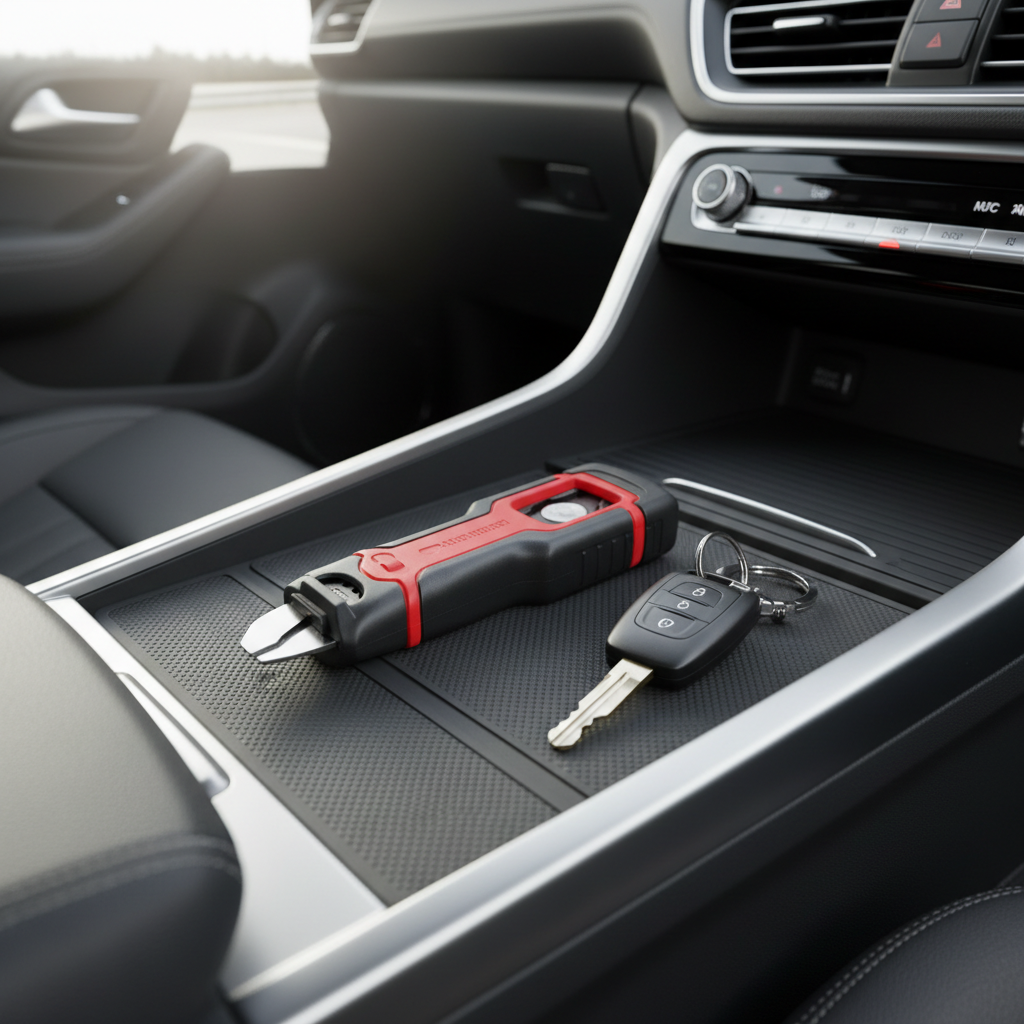
- Storing it in the trunk or glove box, which can be inaccessible after impact.
- Buying a sharp knife instead: it may cut, but it’s easier to slip, and it’s harder to use with one hand.
- No mount, no routine: if it floats around, it disappears under seats at the worst time.
- One tool for multiple cars: people move it “later,” later often never comes.
- Assuming the window breaker is universal: laminated glass in some vehicles behaves differently than tempered side glass, and conditions vary, so treat it as helpful, not guaranteed.
If you carry passengers often, consider whether they can reach a tool too, not just the driver.
When you should consider professional guidance
If you’re setting up tools for a fleet, transporting kids with specialized restraints, or you have mobility limitations, it may be worth asking a certified driving safety instructor or a child passenger safety technician about placement and realistic use. The best setup is the one you can operate under stress with your range of motion.
After any crash where belts or buckles seem damaged or sticky, inspection and replacement decisions should follow manufacturer guidance, or a qualified mechanic/body shop, since restraint systems are safety-critical and failure modes aren’t always visible.
Conclusion: what to buy, where to put it, what to do this week
If you want a simple, high-confidence choice, pick a compact cutter with a recessed hook blade and a mounting method you will actually use, then mount it where your non-dominant hand can reach while buckled. That combination tends to beat “cooler” tools that sit loose in a drawer.
Action items that take under 10 minutes: mount the tool, do the reach test, and tell one family member where it sits. That’s usually enough to turn a purchase into real preparedness.
FAQ
What is the best car seat belt cutter emergency tool type for most drivers?
For most people, a small tool with a recessed hook blade is the most practical, it cuts webbing quickly while lowering the chance of accidental injury compared with exposed knives.
Where should I keep a seat belt cutter in my car?
Mount it within arm’s reach of the driver while buckled, commonly on the center console side or lower dash area. The glove box is often too slow and may jam after a crash.
Do seat belt cutters work on all seat belts?
They usually work well on standard automotive webbing, but blade sharpness, cutting angle, and belt tension affect results. It’s smart to avoid ultra-cheap cutters with questionable steel.
Is a combined seat belt cutter and window breaker worth it?
It can be, especially if you drive near water or want one compact tool. Just treat the glass-breaking feature as situational, vehicle glass types and impact angles can change outcomes.
Can I use a pocket knife instead of a cutter?
You can, but it’s often slower and riskier in tight spaces. A dedicated cutter is designed for one-handed use and webbing, which is why many people keep both for different tasks.
How many cutters should a family vehicle have?
One accessible tool is better than none, but if you regularly carry passengers, a second tool positioned for the front passenger can make sense, since the driver may not be able to help.
Should I practice using a seat belt cutter?
Yes, at least practice the reach and how you’d grip it, without cutting anything in the car. If you want full practice, some people use spare webbing outside the vehicle, safety first.
If you’re trying to choose a best car seat belt cutter emergency tool without getting lost in “tactical” marketing, focus on blade safety, one-hand usability, and a mount you trust, and if you want, share what vehicle you drive and where you plan to mount it, I can help you sanity-check the setup.