
Best car key organizer to prevent key jingle usually comes down to one thing: whether it can clamp your keys tightly enough without making daily use annoying. If your keychain sounds like a tambourine in your cupholder or your pocket feels like a metal brick, a decent organizer can fix most of that in minutes.
People care about this more than they expect because key jingle is not just “noise.” It often means keys rubbing, bending, and wearing faster, plus it becomes a daily irritation in the car, at the door, and in your pocket. Some drivers also worry about leaving scratch marks on center consoles or phone screens when keys bounce around.
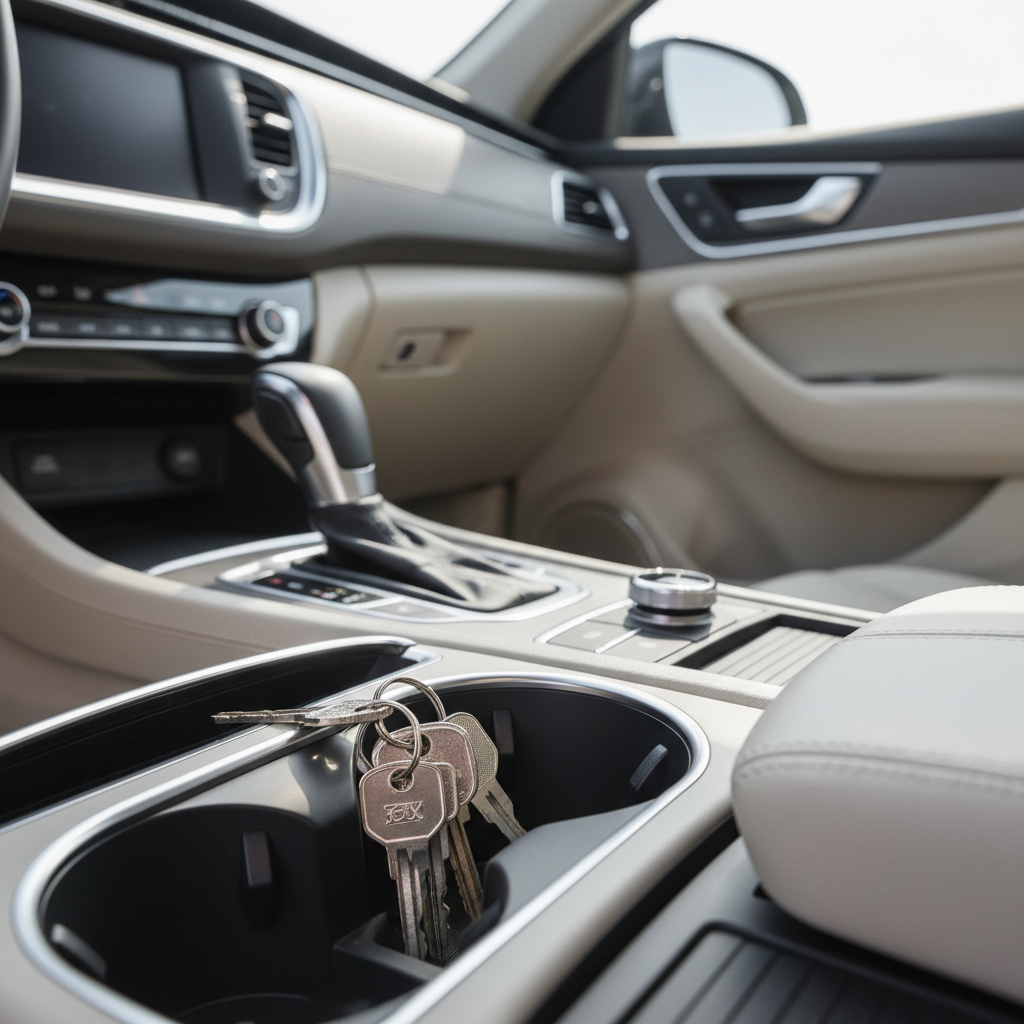
This guide focuses on what actually prevents jingle, how to tell if your key set is compatible, and how to set it up so it stays quiet. You will also see a simple comparison table and a quick self-check, so you can buy once and stop tinkering.
What causes key jingle (and why organizers sometimes fail)
Key jingle is basically movement plus metal-on-metal contact. Most “quiet” setups fail when they reduce the number of loose keys but still leave a few parts free to swing.
- Loose stacking: If the screws do not compress the stack, keys still wiggle and click.
- Uneven key thickness: Thin keys next to thick keys create gaps, so the stack never really tightens.
- Dangling accessories: Fobs, mini tools, and bottle openers often become the new noise source.
- Wrong hardware length: Too short means you cannot tighten; too long means it bottoms out before clamping.
- Materials that flex: Some plastic bodies flex enough that keys shift under walking or driving vibration.
Worth noting, a “silent” key stack can still jingle if you keep a traditional split ring with extra keys attached. The organizer might be fine, the add-ons are the culprit.
Quick self-check: are you a good fit for a key organizer?
Before you shop, run this quick checklist. It saves you from buying a nice-looking organizer that turns into a drawer item.
- You have 3–10 standard house/work keys: This is the sweet spot for most organizers.
- Your keys have similar head shapes: Wildly different shapes can cause spacing issues, though washers can help.
- You can tolerate a “Swiss-army” flip style: If you hate flipping keys out, you might prefer a quiet carabiner + spacer approach.
- Your car fob can be separated: Many people keep the fob on a small loop, not inside the stack.
- You do not need frequent key swapping: If you add/remove keys weekly, a screw-stack can feel tedious.
If you carry one key and a bulky fob, you probably do not need an organizer for noise. If you carry many keys plus tools, you might need a heavier-duty system.
What to look for in the best car key organizer to prevent key jingle
Shopping is easier if you focus on the few specs that actually change the outcome. The rest is mostly preference.
Clamping system that stays tight
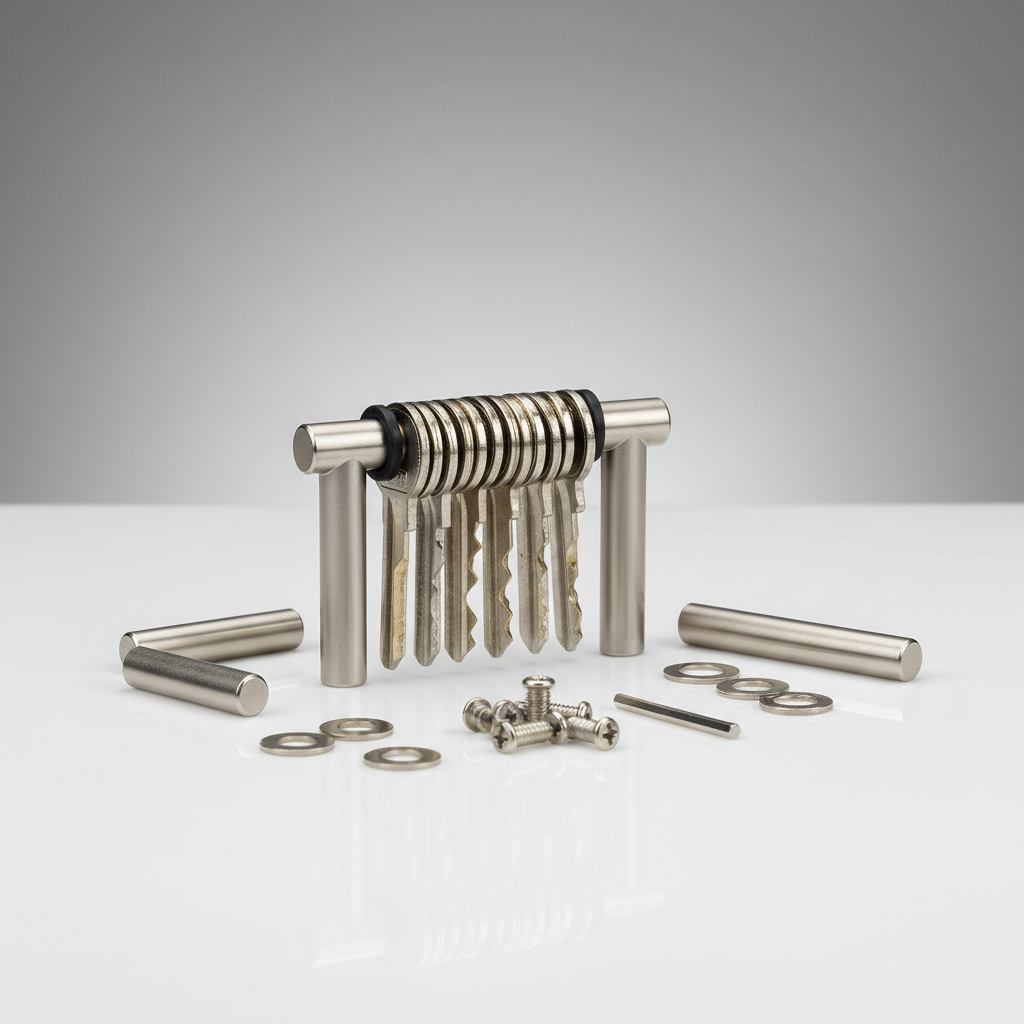
Look for a design that uses a solid screw post (or two) and includes washers/spacers. The point is consistent compression across uneven keys.
Spacers and washers (not optional)
Washers fill gaps, reduce friction, and keep the stack from loosening. If the kit includes multiple washer sizes, that usually means fewer setup headaches.
Body material and edges
Aluminum and stainless hardware typically feel more rigid, while some composites can be fine if the fasteners do the real work. Either way, pay attention to edges, pocket comfort matters more than it sounds.
Fob handling that does not reintroduce noise
Many setups keep the car fob outside the stack on a small loop. If you clip the fob to a loose split ring, you may still get jingle even with a tight key stack.
Capacity that matches real life
Too much capacity can tempt you to overpack and end up with a bulky, awkward brick. Enough capacity to cover your daily keys is often the better pick.
Comparison table: common organizer styles (and who they fit)
There is no single “winner” for everyone. This table is how I’d choose based on your day-to-day use.
| Style | Noise control | Pocket comfort | Best for | Watch-outs |
|---|---|---|---|---|
| Screw-stack organizer (multi-key) | High when tightened well | High | 3–10 keys, daily carry | Setup takes patience, key flipping required |
| Quiet carabiner + spacers | Medium | Medium | People who hate flipping keys | Still can swing and tap unless spaced well |
| Key wallet/pouch | High | High | Office carry, bag carry | Slower access, can feel bulky in front pockets |
| Single-key fob cover + minimal ring | Low to Medium | High | 1–2 keys plus car fob | Does not solve multi-key jingling well |
How to set up an organizer so it actually stays quiet
Most people buy a solid product and still get noise because the stack is not balanced. This is the part that looks easy and then quietly steals 20 minutes.
Step-by-step setup
- Separate the fob first: Keep it on its own small loop or attachment point, so it does not slap metal.
- Sort keys by thickness: Put similar thickness keys next to each other, keep oddballs at the ends with extra washers.
- Use washers generously: Add washers until the stack tightens evenly. If you can wiggle keys side-to-side, add spacing.
- Tighten, then test-walk: Tighten until keys resist movement but still flip out without a fight, then walk around and listen.
- Add thread locker only if needed: A small amount of removable thread locker can help in some cases, but check manufacturer guidance first.
According to SAE International, vibration can loosen fasteners over time in many mechanical assemblies, which is a useful mental model here even if your keys are not a car part. If your screws back out after a week, it is usually a tightening/spacer issue, not “you walk too hard.”
Key takeaway if you only remember one thing
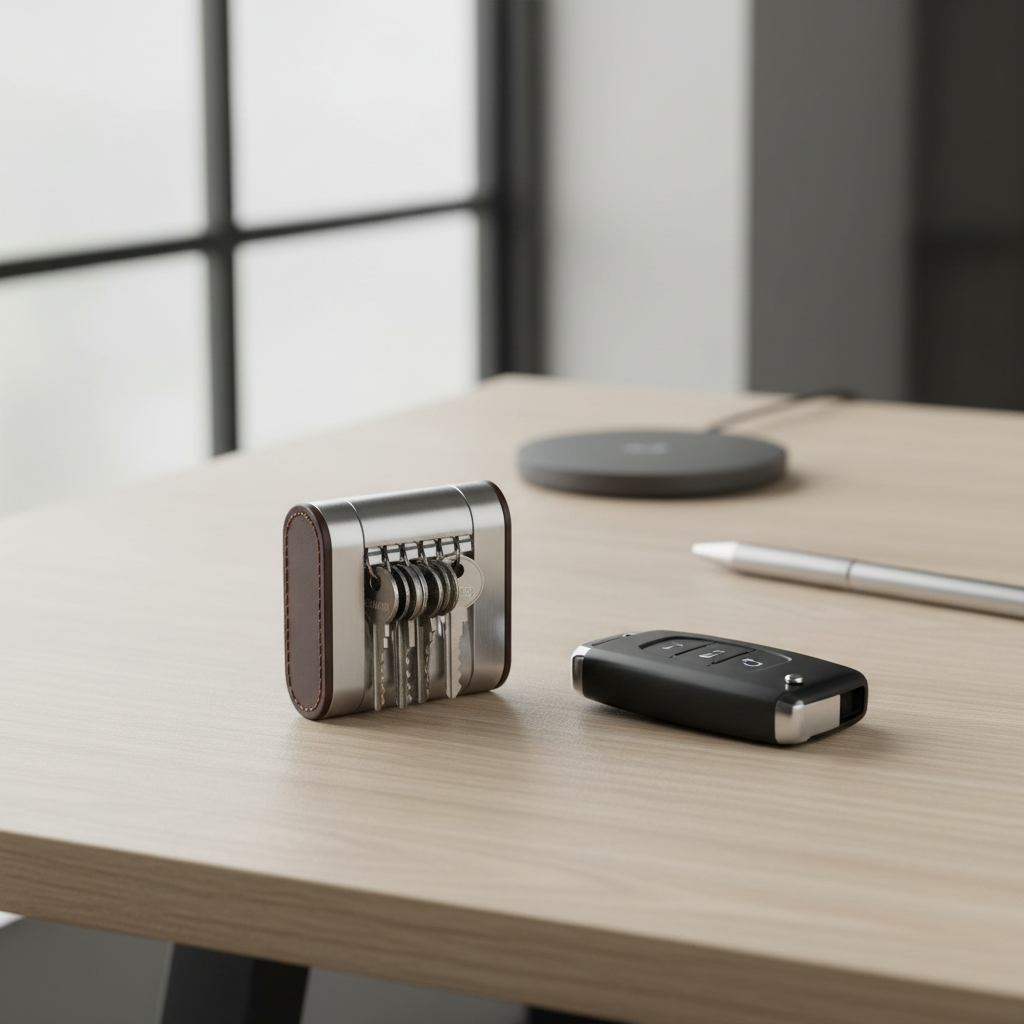
Silence comes from compression. If anything can swing, it will eventually make noise in the car.
Mistakes that keep the jingle alive (even with a good organizer)
- Leaving a spare key on a split ring: That one spare can tap the whole stack and undo the point.
- Over-tightening: If keys are too stiff to flip, you will loosen the screws out of frustration, then the noise comes back.
- Mixing metal add-ons: Metal tools and trinkets often become the loudest piece.
- Ignoring wear: Washers flatten, screws can back out, recheck tightness occasionally.
- Buying for capacity only: A larger organizer can mean more leverage and movement, especially with heavy fobs.
If you keep your keys in a cupholder or door pocket, consider a small tray insert or soft liner too. An organizer reduces metal contact, but plastic-on-metal rattles can still happen on rough roads.
When it makes sense to get expert help (or a different approach)
If your setup involves restricted keys, workplace key control, or keyed-alike systems, you may need approval before reconfiguring. In those cases, ask your facilities or security team what is allowed.
If you need a new car key fob, immobilizer key, or a key re-cut, it is safer to work with a dealership or a licensed locksmith. According to NHTSA, vehicle security systems and theft prevention features vary by make and model, so “DIY” key solutions can create unexpected issues in some situations.
Conclusion: choosing the right organizer without overthinking it
If your goal is silence, pick a rigid screw-stack organizer with plenty of washers, keep the car fob separated, and spend a little time getting the compression right. That combination tends to deliver the biggest drop in jingle without turning your keys into a chore.
If you want a quick next step, dump your current keychain on a table, remove anything that swings, then decide whether you want a flip-out stack or a quieter clip setup. Either way, you will hear the difference on your next drive.
FAQ
What is the best car key organizer to prevent key jingle for a heavy SUV key fob?
Usually, it is a screw-stack organizer for the standard keys, plus keeping the heavy fob on a separate attachment point so it cannot slap the stack. The fob weight is often the real noise source.
Will a key organizer scratch my phone in my pocket?
It can, depending on edges and how you carry it. Look for rounded edges and avoid exposed sharp hardware, and consider keeping keys in a different pocket than your phone.
How many keys is “too many” for a compact key organizer?
Many people feel a comfort drop once the stack gets thick enough to create a wide “block” in the pocket. If you regularly carry more than about 10 keys plus a fob and tools, a pouch or bag carry may feel better.
Why do my organizer screws loosen over time?
Vibration, repeated flipping, and uneven spacing can all contribute. Adding washers, rebalancing key thickness order, and re-tightening usually solves it; if not, check whether your hardware length is correct.
Can I put my car key fob inside the organizer stack?
Sometimes, but many fobs are bulky and shaped awkwardly, which can prevent even compression. Most setups work better with the fob separated to keep the stack tight and pocket-friendly.
Do rubber spacers really reduce key noise?
They often help because they dampen contact and fill gaps, but they are not magic. If the stack is still loose, rubber will not fully fix jingle.
Is a key wallet better than an organizer for stopping jingle in the car?
A wallet-style pouch can be quieter because it isolates everything, but access can be slower. If you want fast door access, a tight organizer plus separated fob is often the more practical middle ground.
If you are trying to quiet a noisy keychain without adding bulk, start by listing how many keys you actually use each week, then choose an organizer style that matches that habit rather than an oversized “fits everything” option, it is usually the difference between a quiet pocket and another gadget you stop carrying.