
Best car seat covers for kids safety usually come down to one thing parents don’t want to gamble on, whether the cover changes how the car seat fits, tightens, or performs in a crash. Comfort and mess control matter too, but safety fit comes first, even if that makes shopping feel annoyingly restrictive.
It’s worth caring because “seat cover” can mean three totally different products in the U.S., a thin protector that sits under the child seat, a liner that goes on top where your kid sits, or a full-on replacement cover that wraps the whole seat. Some are compatible, some are not, and the listings don’t always make that obvious.
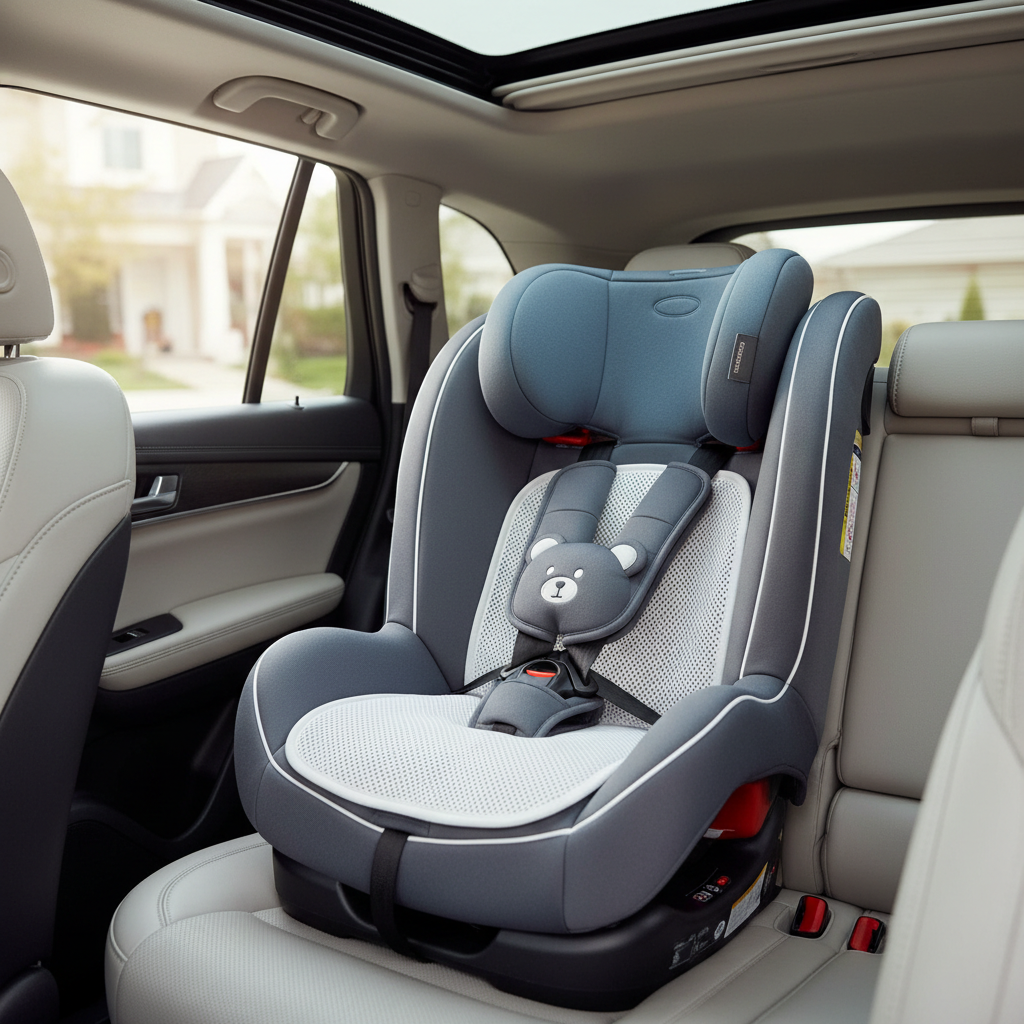
This guide focuses on what tends to be safest in real life, how to sanity-check compatibility, and which features actually improve comfort for kids without making install harder. You’ll also get a short decision checklist, plus a comparison table you can use while browsing.
What “car seat cover” means in 2026 (and why it matters)
Most confusion comes from product naming. Before you buy anything, identify which category you’re considering, because the safety rules differ.
- Seat protector (under the car seat): a mat that sits between the car seat base and your vehicle seat to reduce dents and crumbs.
- Seat liner (on top, kid sits on it): a thin pad or towel-like insert used for sweat, spills, or sensory comfort.
- Aftermarket replacement cover: a wrap-around cover that mimics the manufacturer’s fabric but is not made by the car seat brand.
In many cases, the safest “cover” is the one made by your car seat manufacturer for your exact model, since it’s designed around the harness paths, buckle openings, and side-impact structure. Aftermarket options might still be fine for comfort and cleanliness, but only when they do not change harness fit or installation angles.
Safety first: what to look for (and what to avoid)
When parents search for the best car seat covers for kids safety, they’re often reacting to a real pain point, sweat, crumbs, winter coats, or vomit cleanup, and they want something fast. The problem is thickness and “extra padding” can work against proper harness tension.
According to the National Highway Traffic Safety Administration (NHTSA), you should always follow both the car seat manufacturer’s instructions and your vehicle owner’s manual for installation and use. In practice, that means anything that changes the contact between child, harness, and seat needs extra caution.
Green flags (usually safer bets)
- Manufacturer-approved accessories for your specific seat model.
- Very thin liners that do not route under the harness or behind the child’s back in a way that adds bulk.
- Non-slip, low-compression materials that don’t squish down dramatically after tightening.
- Clear labeling that the item is compatible with car seats and does not interfere with harness function, plus return-friendly policies.
Red flags (commonly cause fit problems)
- Thick cushions, “memory foam,” or plush padding placed behind the child or under harness straps.
- Anything that routes between the car seat and the vehicle seat when your manufacturer says “no mats/protectors.”
- Covers that change buckle or harness geometry, especially if the buckle ends up buried or tilted.
- Universal claims with no specifics, “fits all seats” can be a warning sign if no model list exists.
Quick compatibility checklist (2 minutes, no guessing)
If you do nothing else, run this quick check before buying or installing. It saves returns and the quiet worry you’re missing something important.
- Find your exact car seat model name and number, usually on a sticker on the side or bottom.
- Check the manual for accessory rules, look for wording like “use only approved accessories” or “do not use mats.”
- Confirm the cover does not go behind the child in a way that adds thickness where the harness should be snug.
- Do the pinch test after install, buckle the child, tighten, then pinch the harness at the shoulder, if you can pinch slack, it’s too loose.
- Check chest clip placement, it should sit roughly at armpit level, not sliding down because fabric is slippery.
- Re-check recline and movement, the seat should not move more than about 1 inch side-to-side at the belt path.
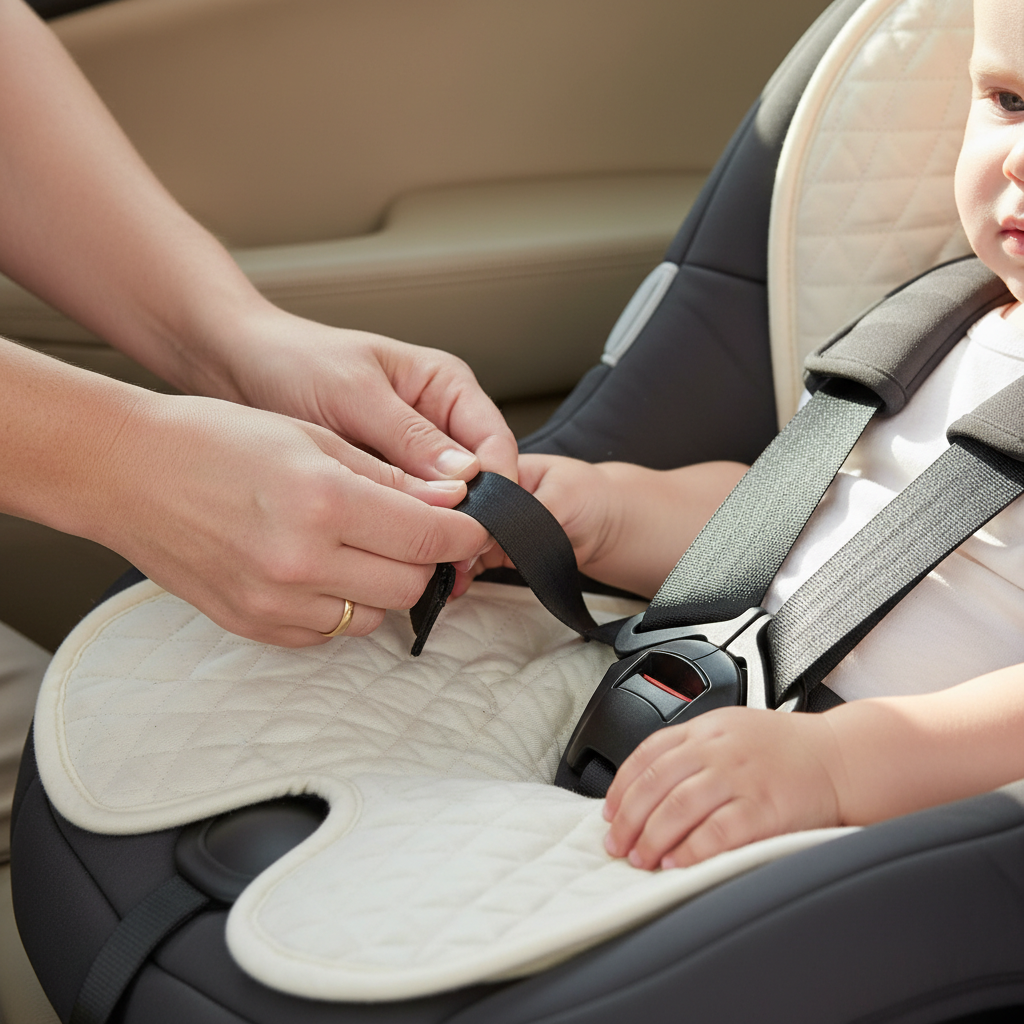
If any step feels unclear, it’s reasonable to pause and ask a certified technician rather than “make it work.” Car seat setups can look right and still be slightly off.
Comparison table: common cover types and who they fit best
Here’s a practical snapshot. Your specific seat manual still wins, but this helps you narrow options quickly.
| Type | Best for | Comfort impact | Safety risk level | What to check |
|---|---|---|---|---|
| Manufacturer replacement cover | Worn fabric, big stains, resale refresh | Medium | Low (if exact model) | Exact model match, harness openings align |
| Thin seat liner (top layer) | Sweat, crumbs, sensory comfort | Low to medium | Low to medium | Thickness, strap routing, chest clip grip |
| Cooling/breathable liner | Hot climates, long drives | High (in summer) | Medium | No bulky padding, no aftermarket strap covers |
| Seat protector mat (under seat) | Leather seats, dents, mud | None | Medium | Manual allows it, doesn’t change recline, no sliding |
| Full aftermarket wrap cover | Style change, “like new” look | Medium | Medium to high | Interference with belt paths, side wings, buckle access |
Picking for comfort: what actually helps kids on real rides
Comfort is not just “soft.” For kids, it’s usually temperature, scratchy seams, and whether the harness rubs their neck. Many parents end up buying the wrong “comfy” item because it looks plush in photos.
- Breathability beats thickness: look for moisture-wicking, mesh, or bamboo-viscose blends, keeping bulk minimal.
- Flat seams and simple shapes: fewer ridges means fewer pressure points on long rides.
- Grippy surface under the child: reduces sliding that can shift chest clip placement.
- Machine wash clarity: if care instructions feel vague, assume it’s annoying to maintain.
If your child runs hot, a thin breathable liner often gives more comfort than a padded one, plus it’s easier to keep the harness tight without fighting foam compression.
Practical setups by scenario (what I’d do in each case)
This is where “best car seat covers” becomes personal. Different pain points push different choices, and you don’t need to overbuy.
1) You want easy cleanup for snacks and daily mess
- Choose a thin, removable liner that sits only where your child’s back and bottom rest.
- Skip anything that wraps around the harness or adds shoulder padding.
- Keep two liners, one in use, one clean, it’s the simplest hack that actually sticks.
2) Your vehicle seat is getting dented or scuffed
- Check your manual, if protector mats are allowed, pick a low-profile, non-slip mat.
- Avoid tall edges or thick quilting that can change recline angle.
- After install, re-check movement at the belt path, mats can introduce slip.
3) Summer heat, sweaty back, cranky kid
- Look for a breathable cooling liner that stays thin under the body.
- Be cautious with “airflow” pads that require external power or add structured thickness, they can complicate fit.
- Consider sun shades for windows, comfort is often about reducing radiant heat, not just seat fabric.
4) The original cover is damaged or missing
- Start with a manufacturer replacement cover for your exact model if available.
- If you can’t find one, contact the brand support line, they may advise approved sources.
- Be wary of aftermarket wrap covers that claim “OEM style,” the risk is hidden interference around belt paths.
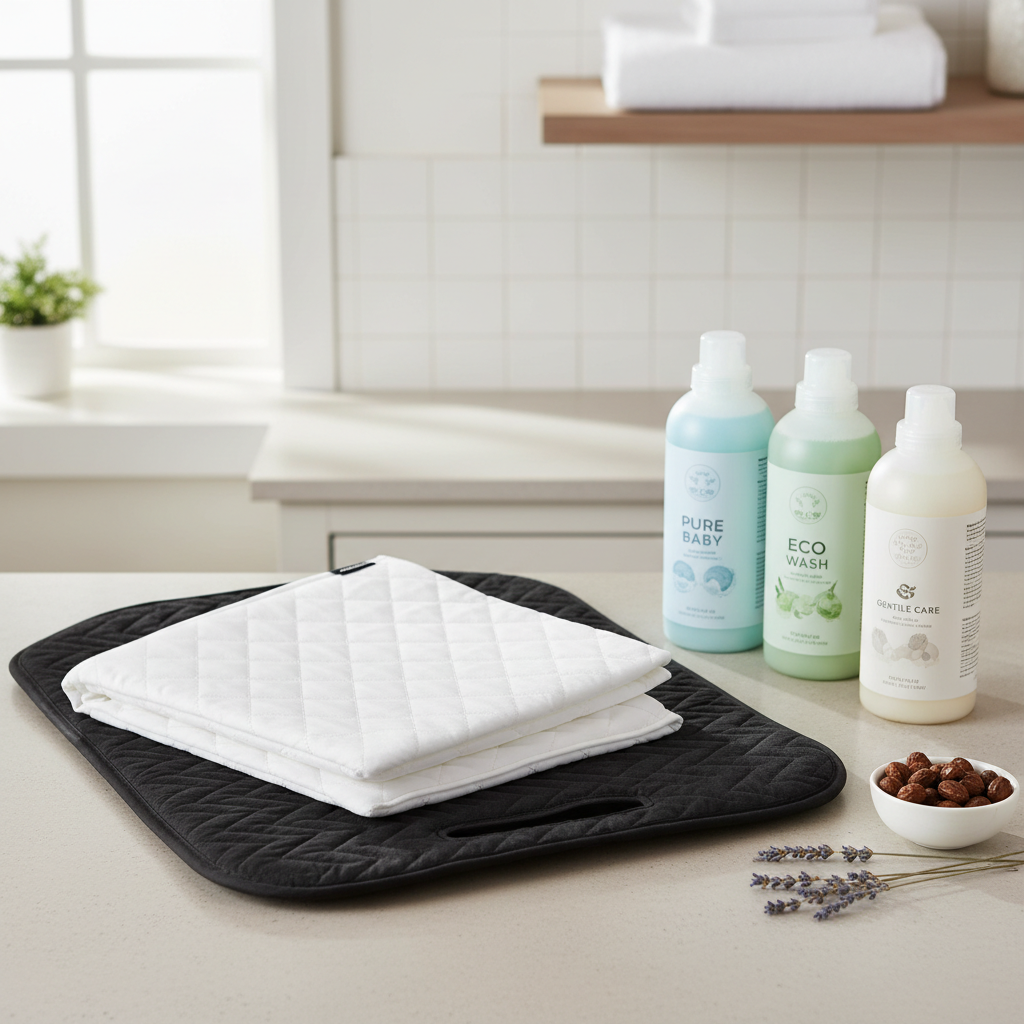
One more honest note, if you’re buying a cover mainly because install is hard, a cover won’t fix that. In many cases, the better move is a quick install check and a simpler routine for crumbs.
Common mistakes that quietly reduce safety
These show up a lot, especially with well-meaning “comfort upgrades.” They’re also the reason some parents swear a product is fine, until they redo the harness and realize it was never truly snug.
- Padding behind the child: extra material compresses over time, and harness slack sneaks back in.
- Using strap covers not made for your seat: they can prevent proper positioning at the shoulders.
- Cover blocks the manual label or belt path marking: you lose guidance right when you need it.
- Assuming “universal” equals safe: “fits” is not the same as “compatible.”
According to Safe Kids Worldwide, small installation details can make a meaningful difference, and they encourage caregivers to get seats checked by certified technicians when unsure. That’s not a scare tactic, it’s a realistic acknowledgment that car seat setup has lots of edge cases.
When to get professional help (it’s faster than fighting it)
If you’re not confident your setup stayed correct after adding a liner or protector, it’s reasonable to ask for help. A certified Child Passenger Safety Technician can check harness fit and installation, and tell you if your accessory choice is likely to interfere. Availability varies by area, and policies vary by seat brand, so bring your seat manual and the accessory packaging.
Also consider a check if any of these apply, you changed vehicles, you switched from rear-facing to forward-facing, you’re seeing recurring slack you can’t explain, or your child complains the straps “feel wrong” even when tight.
Key takeaways (so you can buy with less second-guessing)
- Prioritize compatibility over features, the safest option is often the simplest, thinnest one that your manual allows.
- Avoid plush padding behind the child or under harness straps, comfort can come from breathability instead.
- Do a harness re-check after adding anything, pinch test and chest clip position catch most problems.
- When in doubt, use manufacturer accessories or get a technician check rather than improvising.
Conclusion: the “best” cover is the one that keeps the fit unchanged
The best car seat covers for kids safety aren’t necessarily the cutest or the thickest, they’re the ones that keep harness fit consistent, stay thin, and clean easily without changing how the seat installs. If you want a low-stress next step, start by checking your seat manual for accessory guidance, then choose either a manufacturer cover or a minimal liner and re-test harness snugness right away.
If you’re browsing today, pick one option, buy from a retailer with easy returns, and plan a five-minute install check when it arrives. That small habit tends to beat endless comparison shopping.
FAQ
Are car seat covers safe for kids?
Some are, some are not. The safest bet is a cover made by the car seat manufacturer for your exact model, while thick or poorly designed aftermarket covers can interfere with harness fit. If you’re unsure, keep it thin and verify harness snugness after installation.
Can I use a seat protector mat under a child car seat?
It depends on your specific seat and brand guidance. Some manuals allow thin protectors, others recommend against them because they may change recline or introduce sliding. Checking the manual is more reliable than product listings.
What’s the safest option for sweat and summer heat?
A thin breathable liner usually helps without adding much bulk. Focus on moisture-wicking fabrics and simple construction, and avoid thick “cooling pads” that change how the child sits in the seat unless your manufacturer explicitly approves them.
Do I need a special cover for leather seats?
Leather shows dents and scuffs more, so a low-profile protector can be tempting. Just make sure your car seat manufacturer allows it, and re-check movement at the belt path after tightening, because leather plus a mat can slip more easily.
How do I know if a liner makes the harness too loose?
Install the liner, buckle the child, tighten, then do the pinch test at the shoulder. If you can pinch webbing, there’s still slack. Also watch for a chest clip that slides down, that can be a clue the surface is too slick.
Are “universal fit” aftermarket covers worth it?
They can be convenient, but “universal” often means compromises around belt paths and openings. If you choose one, look for very clear compatibility details and avoid anything that adds padding behind the back or blocks harness routing.
Should I add extra padding for long road trips?
Usually you’re better off improving temperature control and adjusting breaks than adding padding behind the child. Extra cushioning can compress and change harness tension, so if comfort is a major issue, consider consulting a CPST for seat fit tips that don’t add bulk.
If you’re trying to balance mess control with safety, keep your short list to thin, easy-wash liners or manufacturer-approved covers, then do a quick harness and install check once it’s on, it’s the most practical way to get comfort without trading off peace of mind.