
The best car phone mount for windshield is the one that stays stable on real roads, holds your phone through heat and bumps, and does it without leaving glue on the glass. If you are shopping specifically for “no glue,” you are already avoiding the biggest annoyance: residue, peeling, and that one-time stick that fails when temperatures swing.
What makes this worth getting right is not just comfort, it is driving focus. A mount that droops or rattles turns every glance into an extra second of distraction. Many drivers only notice the problem once they hit a pothole and the phone dips out of view.
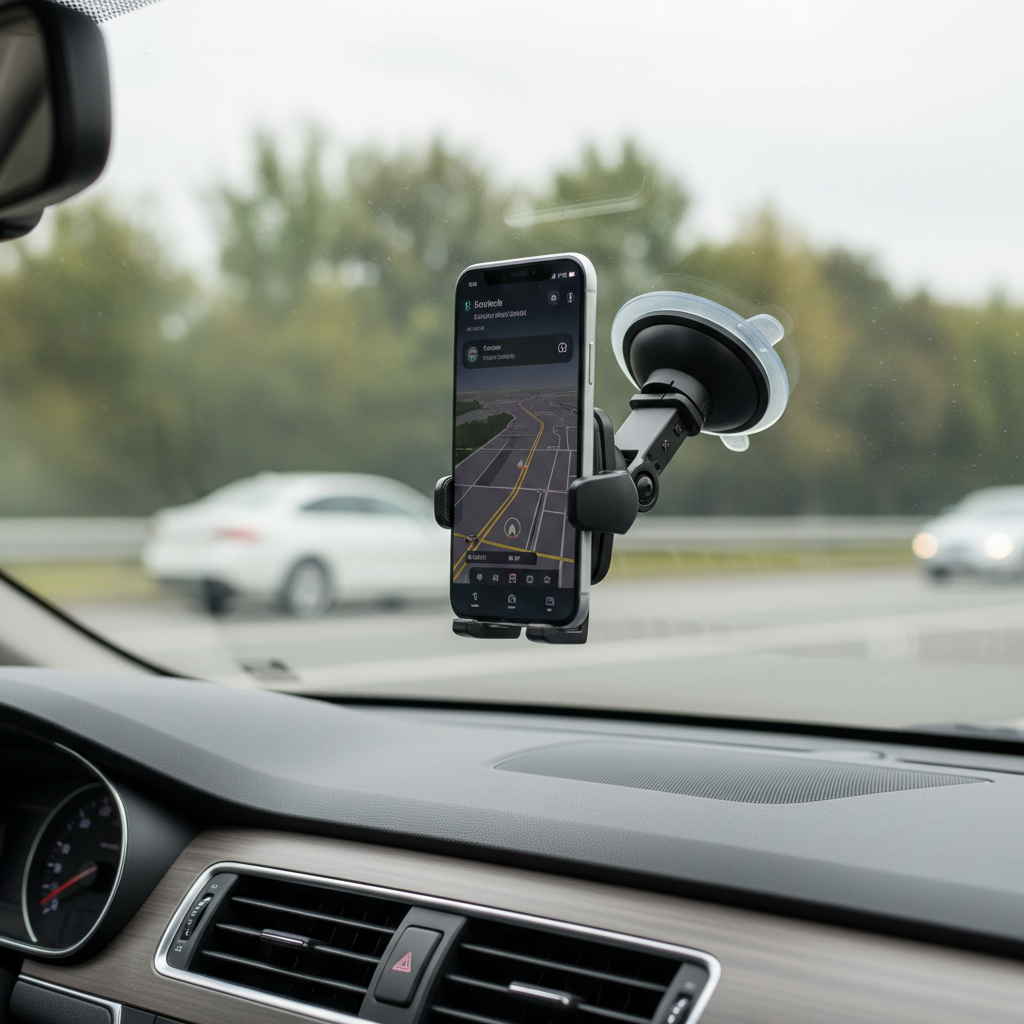
This guide breaks down what “no glue” really means in practice, how to tell if your windshield and dash setup will cooperate, and which mount style tends to be steady for your use case. You will also get a quick comparison table, a shopping checklist, and setup tips that reduce vibration.
What “No Glue” Usually Means (and What It Doesn’t)
Most “no glue” windshield mounts still rely on adhesion, just not permanent adhesive. In plain terms, you are choosing between temporary grip methods that can be removed cleanly.
- Suction cup (lever-lock): most common for windshield, usually stable when the cup, glass, and temperature conditions are right.
- Static cling pad + suction: a removable pad placed on dash or sometimes glass, then suction attaches to the pad, useful when the dash texture fights suction.
- Clip-based solutions: vent clips are no-glue but they are not windshield mounts, they solve a different problem.
- Magnetic head: not a mounting method by itself, it is the phone-holding method on top of suction or other bases.
If a product says “no glue” but ships with a sticky disc meant to be left on the dash, that is not what most people mean. It may still be removable, but it can leave marks, especially on textured or soft-touch surfaces.
Why Windshield Mounts Get Shaky: The Real Causes
People blame “cheap mounts,” but instability often comes from the setup. These are the usual culprits when a mount looks fine in the listing photo and wobbles in your car.
- Long arm + heavy phone: every extra inch acts like a lever, vibration multiplies, especially with larger phones.
- Curved windshield zones: suction works best on flatter areas, some vehicles have more curvature near the center.
- Dirty glass film: interior glass often has haze from off-gassing and cleaners, suction loses grip even when it “feels” clean.
- Heat cycling: summer heat can soften materials and reduce cup seal, winter can make plastics less forgiving.
- Weak ball joint: the cup holds, but the head droops over time, this is common with cheaper tilt mechanisms.
According to the National Highway Traffic Safety Administration (NHTSA), distracted driving is a major safety concern, and anything that increases “eyes off road” time can add risk. A stable mount does not make driving “safe,” but it can reduce the urge to keep re-adjusting your phone mid-drive.
Quick Comparison: No-Glue Options That Tend to Stay Stable
There is no universal winner, but the table below is a practical way to match mount style to your priorities. Think of it as choosing your compromise on stability, reach, and ease.
| Mount style | Stability on bumps | Best for | Common downside |
|---|---|---|---|
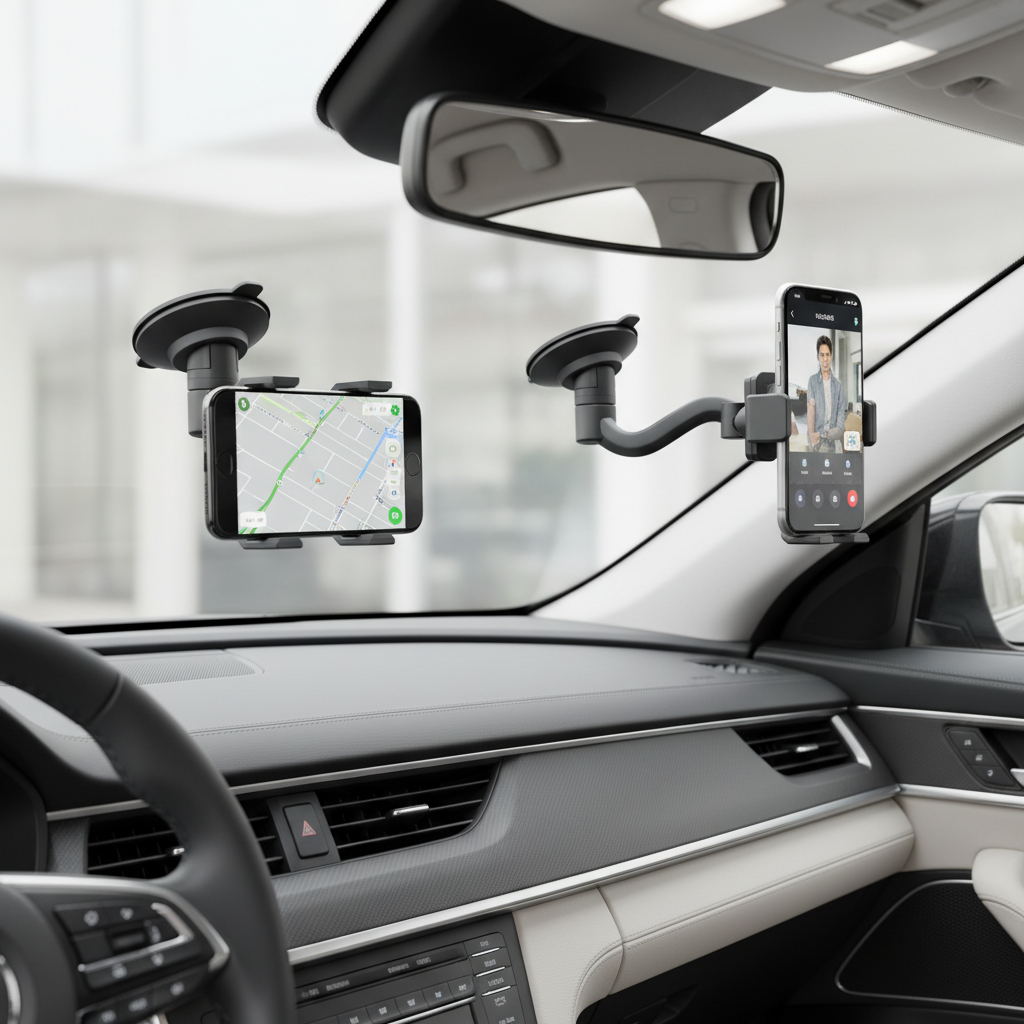
| Short-arm suction cup | High | Drivers who want minimal shake | Less reach and angle flexibility |
| Long-arm suction cup | Medium | Need closer screen access | More vibration, more droop over time |
| Suction cup + magnetic head | Medium-High | Quick on/off, frequent errands | Needs a metal plate or MagSafe-compatible phone/case |
| Suction cup with locking ball joint | High | Heavier phones, bumpy commutes | Bulkier head, sometimes harder to adjust |
| Static cling pad + suction (dash) | Medium | Windshield placement not ideal | Pad can look messy, may shift on textured dash |
Self-Check: Pick the Right Windshield Mount in 60 Seconds
Before you buy, run this quick check. It saves you from choosing a mount that looks “premium” but fights your car and your phone.
- Your phone size: big phones and heavy cases usually prefer a short arm and a strong joint that does not slowly tilt.
- Your windshield angle: steep windshields tend to work well with suction, while very curved areas make placement picky.
- Your commute: rough roads and frequent potholes call for shorter arms and fewer hinge points.
- Your climate: hot summers push you toward higher-quality silicone cups and stronger locking mechanisms.
- Your driving needs: if you rarely touch the phone, prioritize stability; if you tap often, choose a mount with easier reach but accept some wobble.
- Your preferred phone hold: clamp grips are universal, magnetic is faster, but needs compatible hardware.
If you are unsure, default to a short-arm lever-lock suction cup with a robust ball joint, it is usually the most forgiving path to the best car phone mount for windshield setups that stay steady.
How to Install for Maximum Stability (No Glue, No Guesswork)
The best mount can still fail if the suction never gets a proper seal. This is the routine that tends to work in many vehicles.
1) Prep the glass the way suction cups “like”
- Clean the inside windshield with a glass cleaner that leaves minimal residue, then wipe dry with a clean microfiber cloth.
- If the glass feels slick or hazy, do a second wipe with a slightly damp microfiber, then dry again.
- Avoid placing the cup over dot-matrix frit areas or textured black edges, suction often struggles there.
2) Choose placement that reduces bounce
- Keep the arm as short as you can while still seeing the screen clearly.
- Mount closer to a stable area of glass rather than far from support points, many people find mid-windshield areas less “springy” than extreme corners.
- Make sure it does not block your view. According to many state guidelines and safety recommendations, windshield obstructions can be a legal and safety issue, when in doubt, place it lower or consult local rules.
3) Lock it down, then test like a pessimist
- After you engage the suction lever, tug gently at the base, it should not slide.
- Set the phone in the holder, adjust angle, then tighten the ball joint or locking collar.
- Do a quick “shake test” with your hand, if the head droops now, it will droop more on the road.
Key point: if you want the best car phone mount for windshield stability, minimize moving parts. Every hinge, extension, and pivot adds a new place for vibration to show up.
What to Look For When Shopping (So You Don’t Buy Twice)
Listings often focus on “360 rotation” and big claims, but these details matter more when you care about stable no-glue mounting.
- Lever-lock suction cup rather than push-and-pray cups.
- Silicone suction material that looks thick and flexible, thin cups tend to lose seal faster.
- Locking ball joint or a tightening ring that actually compresses the joint, not just a decorative knob.
- Shorter arm option or a way to retract the arm when you do not need reach.
- Heat resistance stated by the brand, even if it is not a guarantee, it signals the manufacturer at least considered temperature performance.
- Phone case compatibility, especially for clamp width and for MagSafe or metal plates in magnetic setups.

Common Mistakes That Make “No Glue” Mounts Fail
A few habits quietly sabotage suction mounts, then people assume suction is “just bad.” Often it is fixable.
- Mounting on a dusty day: even light dust on the cup rim can create a slow leak.
- Using oily cleaners: some interior products leave a film that breaks suction over time.
- Leaving the arm fully extended: it looks convenient, but it increases bounce and joint wear.
- Ignoring droop: if the joint slips, tightening harder sometimes strips plastic threads, it is better to choose a mount with a stronger locking mechanism.
- Placing the phone too high: it can block sightlines and invite more vibration due to leverage, lower placements often feel calmer.
When to Consider a Different Setup (or Ask for Help)
Sometimes a windshield mount is not the best match, even if you want the best car phone mount for windshield use. If your windshield is heavily curved where you need it, or you drive on consistently rough roads, a dash solution using a removable pad, or a vehicle-specific mount may behave better.
If you are dealing with legal questions about where a mount can go, or you have advanced driver-assistance sensors and cameras near the mirror, it may be smart to consult your vehicle manual or a qualified installer. Some placements can interfere with sensor views, and that is not a place to guess.
Practical Takeaway: A Simple “Best Fit” Recommendation
If you want a stable, no-mess setup, start with a short-arm lever-lock suction mount paired with a locking ball joint, then keep the phone as close to the base as comfort allows. For quick errands and frequent on-off, a suction base with a magnetic head can be a good fit, as long as your case and phone support it.
If you do one thing today, clean the glass properly and re-place the mount with a shorter reach. That alone solves a surprising amount of wobble complaints without buying anything new.
FAQ
What is the best car phone mount for windshield stability without glue?
In many situations, a lever-lock suction mount with a short arm and a locking ball joint is the most stable “no glue” approach, because it reduces leverage and head droop.
Why does my suction cup phone mount keep falling off the windshield?
It is often surface film or an imperfect seal on curved glass. Clean the glass thoroughly, avoid textured frit areas, and make sure the lever-lock fully engages before adding the phone.
Are magnetic windshield mounts safe for my phone?
Most modern phones handle magnetic mounts fine, but compatibility depends on your device and case. If you notice compass or accessory issues, switch to a clamp holder or a MagSafe-aligned system.
Where should I place a windshield phone mount so it doesn’t block my view?
A lower position that keeps the road in your primary sightline usually feels better. Because rules vary by state and situation, check local regulations and your vehicle manual if you are unsure.
Do suction mounts work in very hot weather?
They can, but heat cycling can reduce seal strength over time. A thicker silicone cup and a strong lever-lock helps, and re-seating the mount occasionally is normal in summer.
Is a long-arm windshield mount always worse?
Not always, it can be useful if you need reach, but it tends to wobble more with heavier phones. If you choose long-arm, look for a sturdier joint and keep the extension as short as possible.
Can I use a windshield mount with a textured or treated windshield area?
Suction usually prefers smooth glass. If the only available area has texture or dot patterns, you may need to reposition, or consider a dash solution that uses a removable pad instead of permanent adhesive.
If you are trying to stop the shake and avoid sticky residue, focus less on flashy features and more on the basics: a strong suction base, a short arm, and a joint that does not drift. If you want, tell me your phone model, case type, and vehicle year, and I can narrow down what style is most likely to feel stable in your specific layout.